Rotted Fascia Boards
Soft edges, peeling paint, and hidden decay at rooflines—especially near gutters and returns
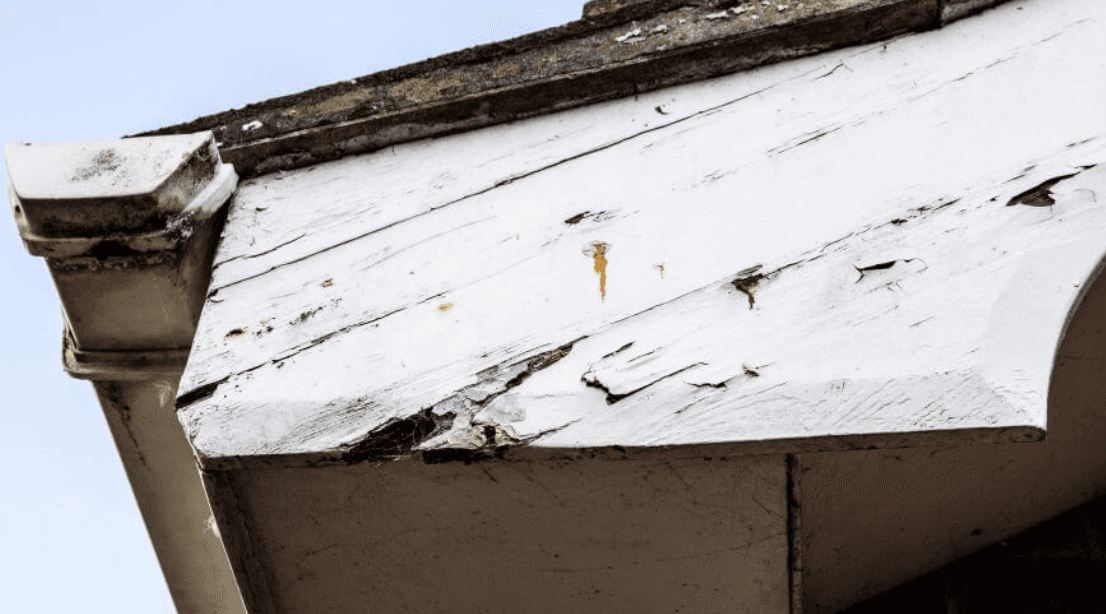
Rotted Fascia Boards
Fascia boards play a critical role in protecting the roof edge and supporting gutters, yet they are one of the most common places dry rot develops on coastal homes. Because fascia sits directly in the path of roof runoff and is constantly exposed to moisture, salt air, and sun, it often deteriorates quietly before homeowners realize there is a problem.
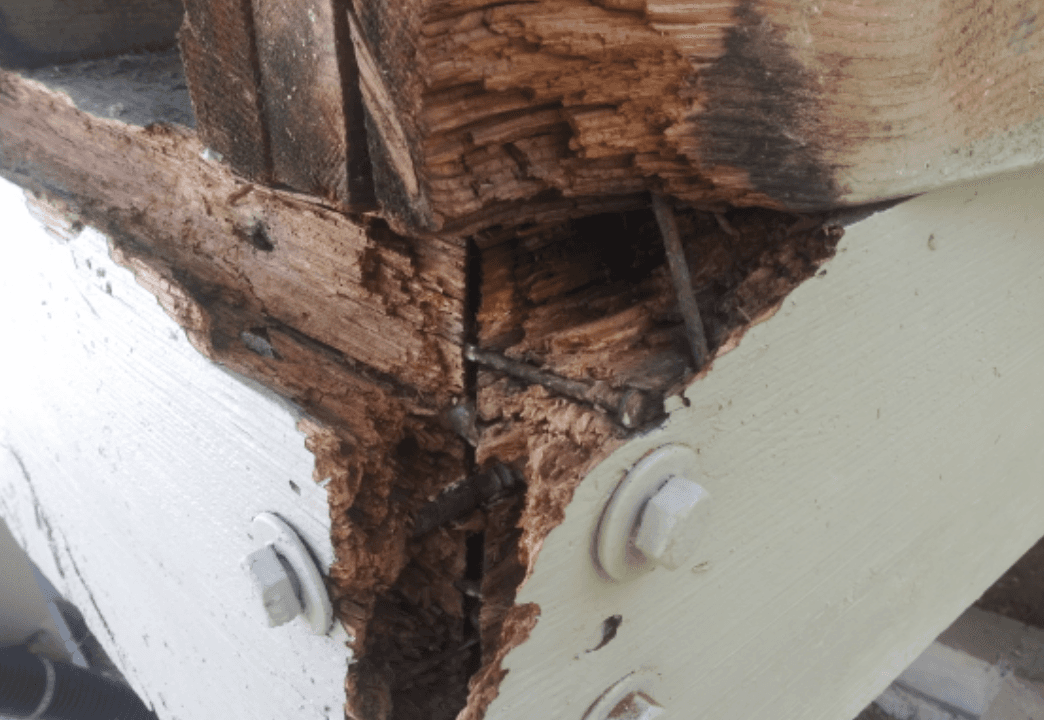
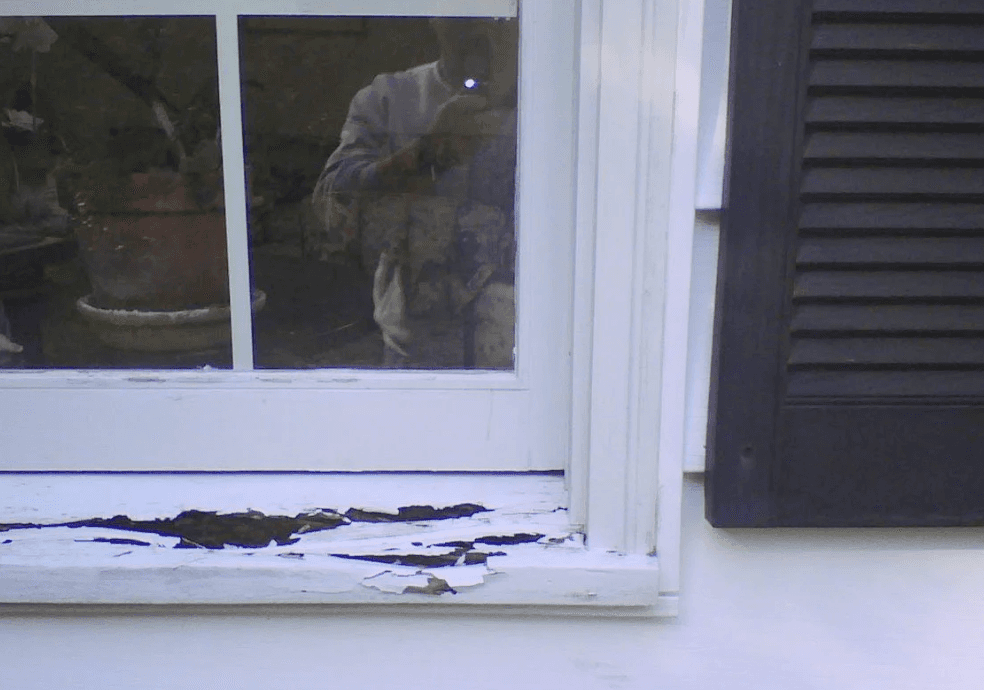
Dry rot in fascia boards typically begins where water finds a way in—at joints, seams, corners, and gutter attachment points. Over time, paint and sealants break down, allowing moisture to penetrate the wood. Once moisture is present, fungi begin breaking down the wood fibers, weakening the fascia from the inside out. In many cases, the outer surface may look mostly intact while the interior wood has already softened significantly.
One of the challenges with fascia rot is that it rarely stays isolated. Water entering the fascia can migrate laterally, spreading rot behind the surface and into adjacent boards. If left unaddressed, the damage can extend into rafter tails, roof sheathing edges, and connected trim. Gutters attached to rotted fascia may begin to pull away, compounding water intrusion and accelerating deterioration.
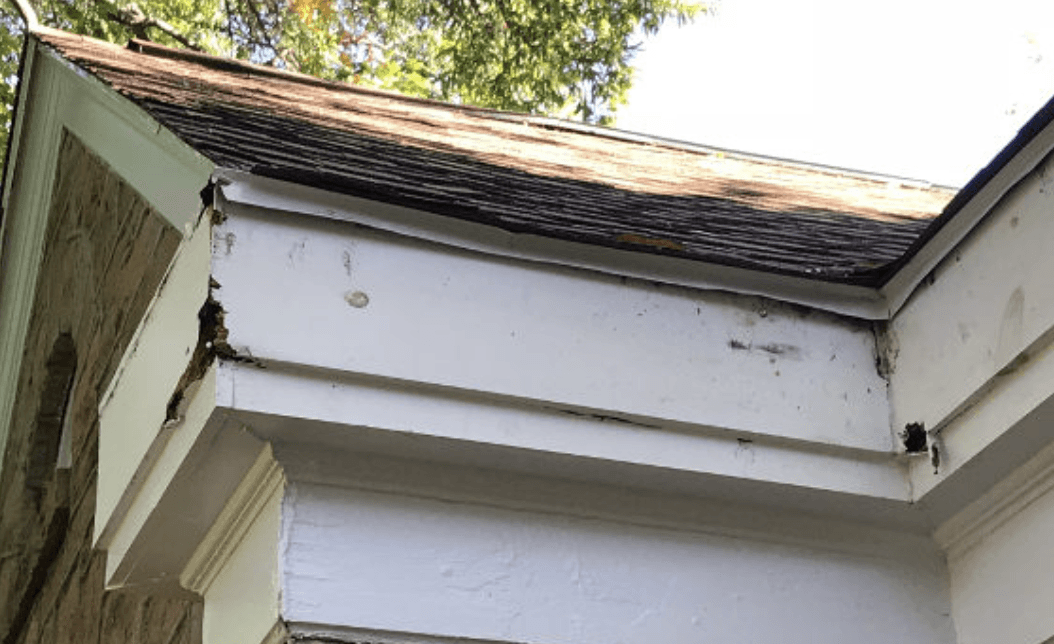
Costal Problems
Coastal environments make this problem more common. Morning fog, salt air, and repeated wet-dry cycles stress paint systems faster than in inland climates. Older homes are especially vulnerable, as many were built with detailing that did not account for long-term moisture exposure or modern gutter systems.
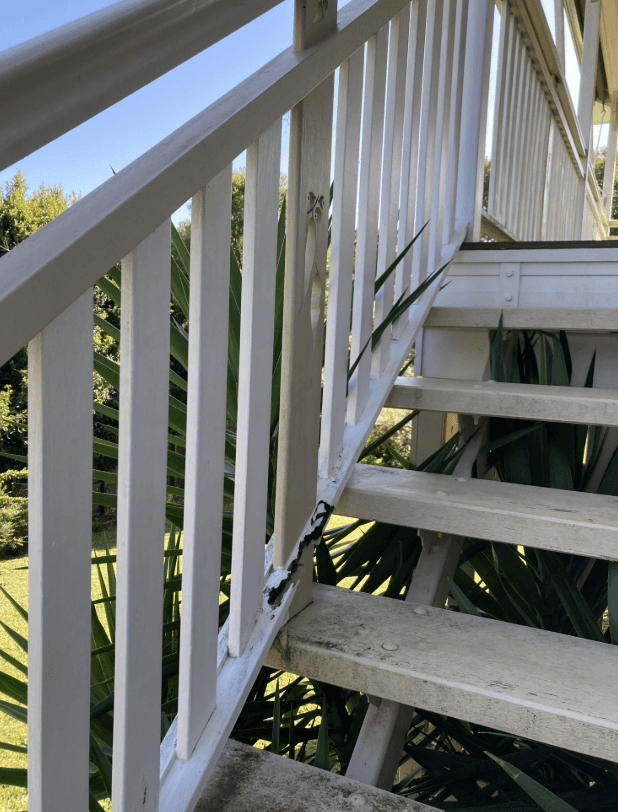
A professional fascia inspection focuses on identifying whether the damage is cosmetic or structural. Soft spots, cracking paint, staining, and separation at joints are common indicators, but hands-on assessment is often required to determine the full extent of decay. Early detection can allow for targeted repairs that preserve surrounding materials and prevent more invasive work.
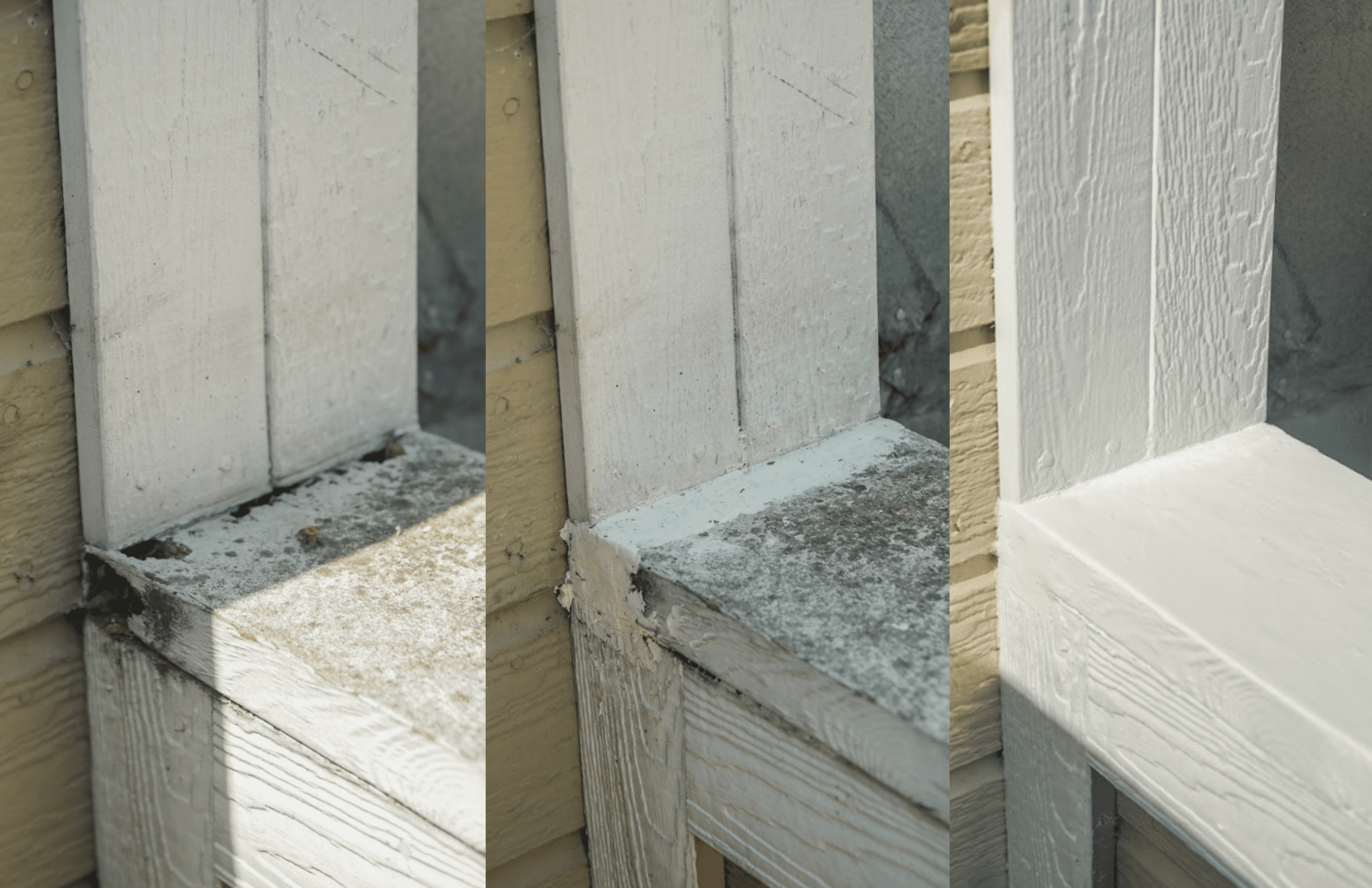
Proper fascia repair involves more than simply replacing damaged boards. It requires addressing the underlying cause of moisture intrusion—whether that is improper gutter drainage, failed flashing, or deteriorated sealants—and preparing the new material for long-term protection. When handled correctly, fascia repairs restore both function and appearance while helping protect the roof system as a whole.
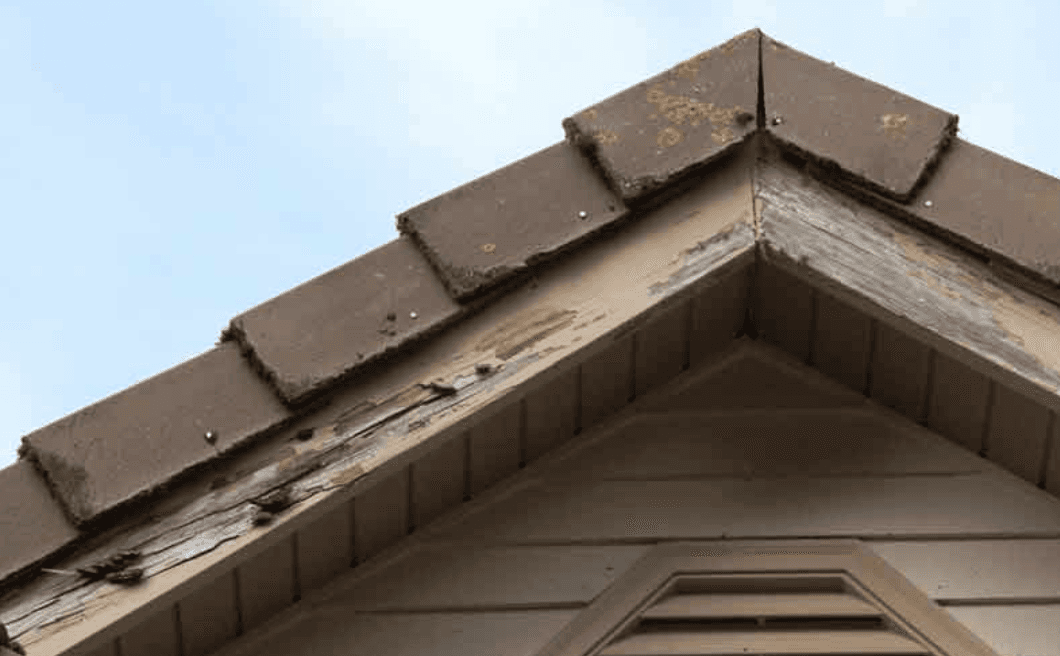
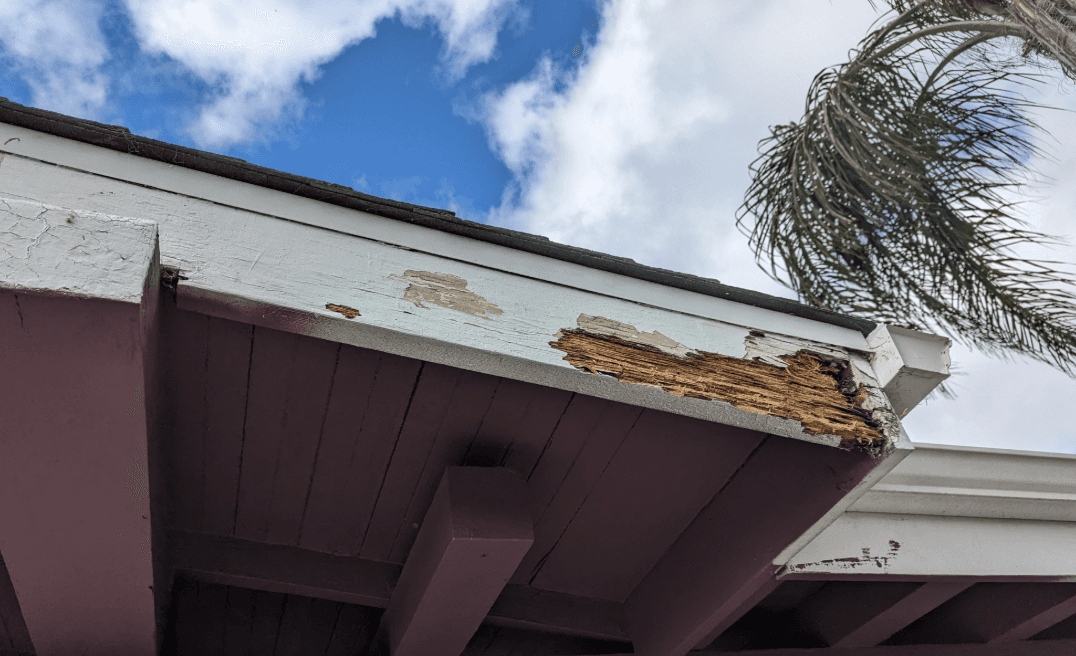
More Projects