Sills, Trim, and Transitions
Common around doors, windows, and siding transitions where flashing or sealants fail over time.
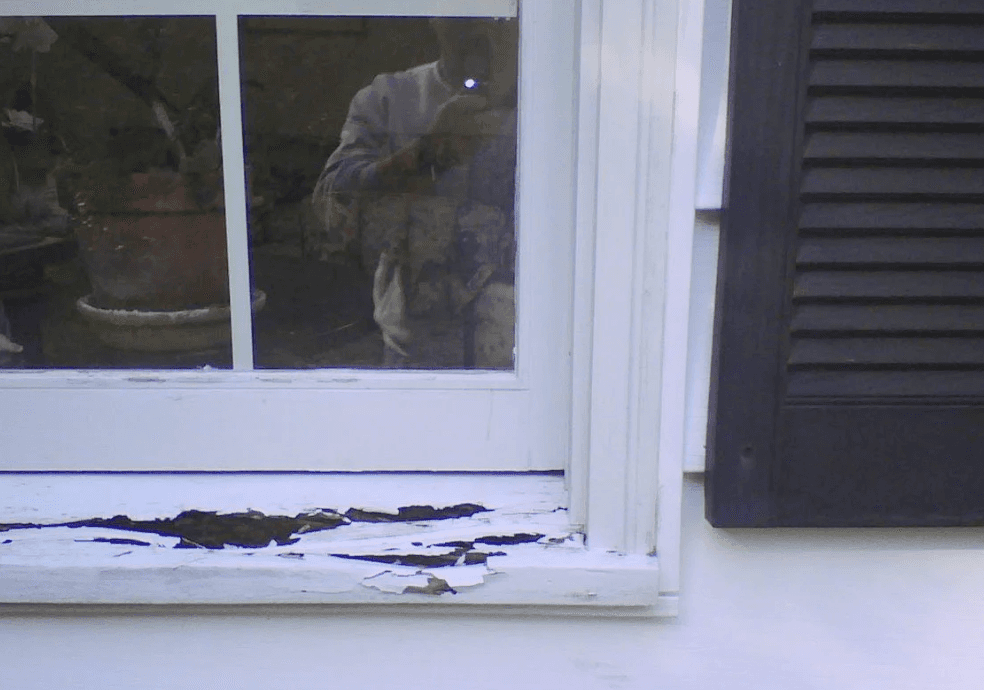
Sills, Doors & Window Transitions
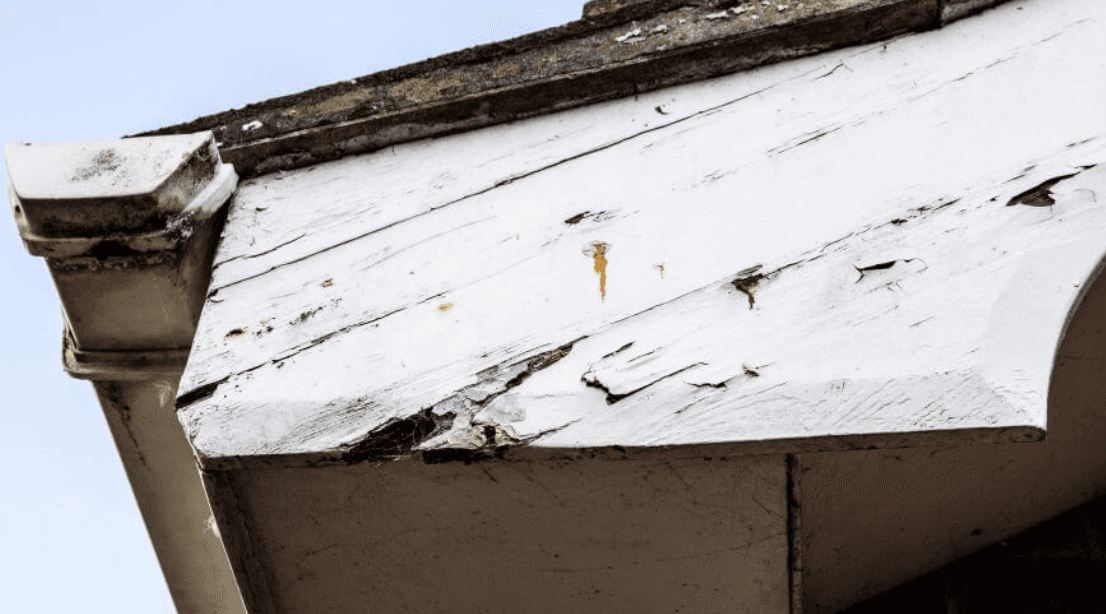
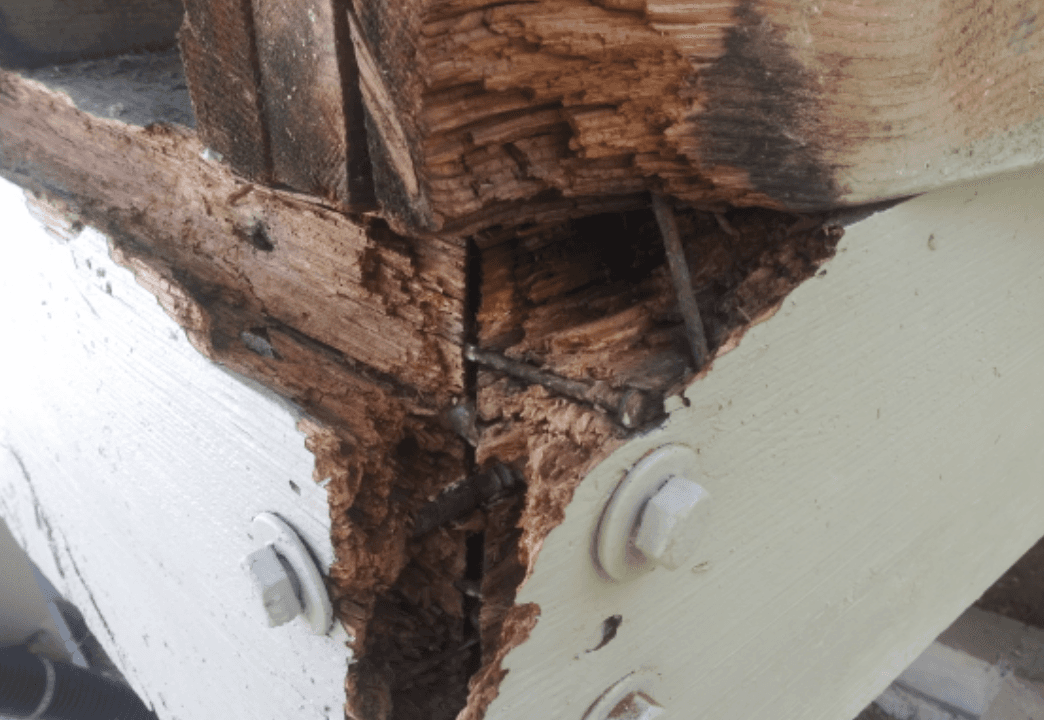
Doors and windows are frequent sources of moisture intrusion, making sills and surrounding transitions common locations for dry rot. When flashing, sealants, or detailing fail, water can penetrate behind trim and into structural framing—often without immediate visible signs.
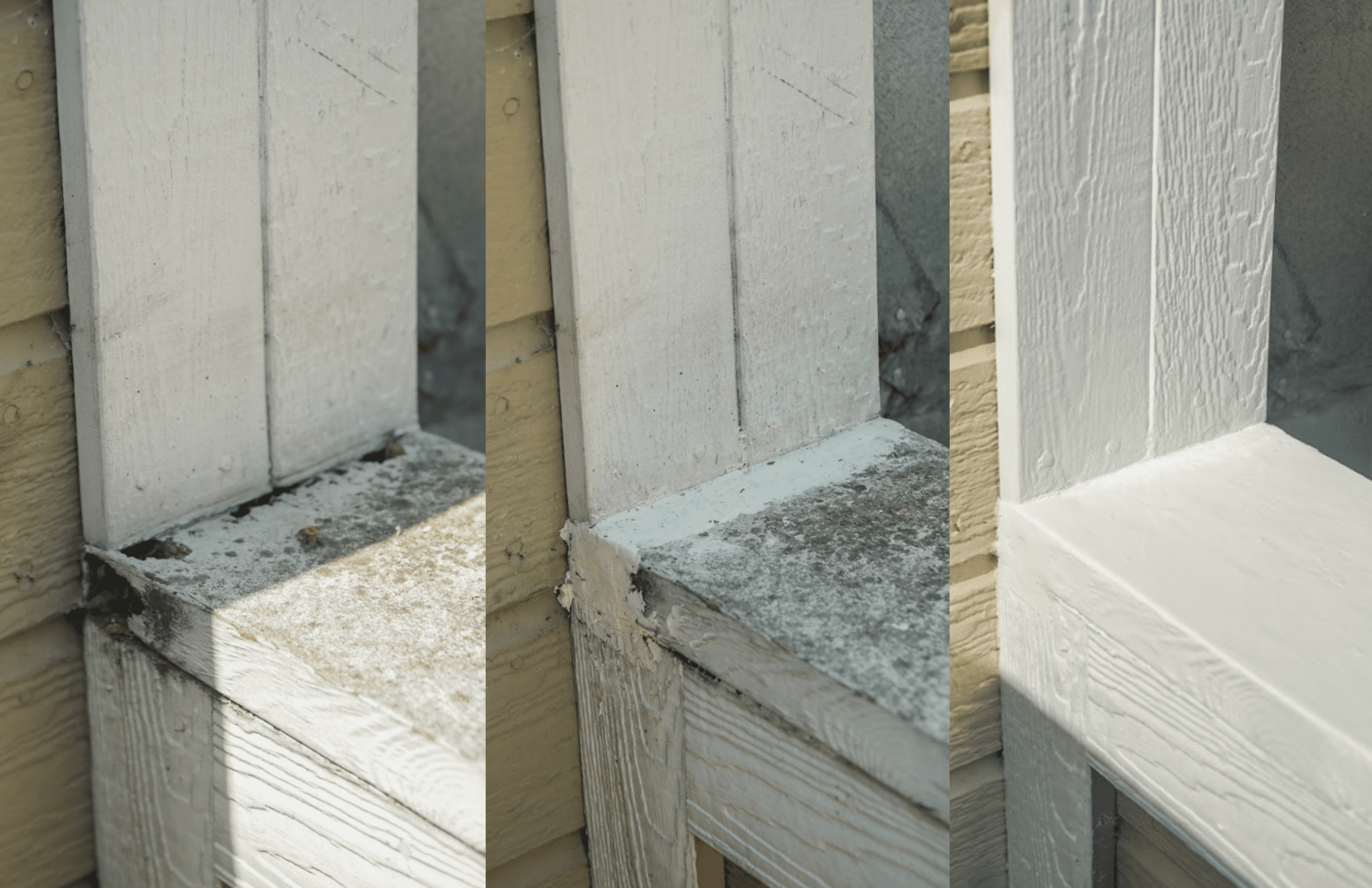
Dry rot in these areas typically begins at horizontal surfaces such as sills, where water collects and slowly seeps into the wood. Over time, decay can spread upward into trim and inward into wall framing. Because these areas connect exterior and interior spaces, undetected rot may eventually lead to interior water damage.
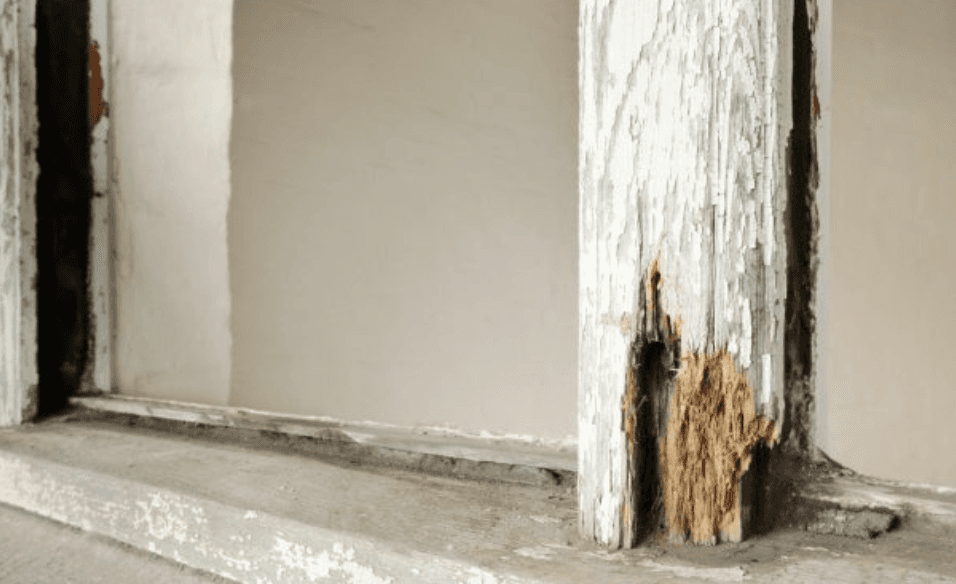
Why They Rot
Coastal conditions further increase risk. Wind-driven rain, fog, and salt air place constant stress on seals and coatings. Older installations may lack proper flashing or drainage details, allowing moisture to persist behind the surface.
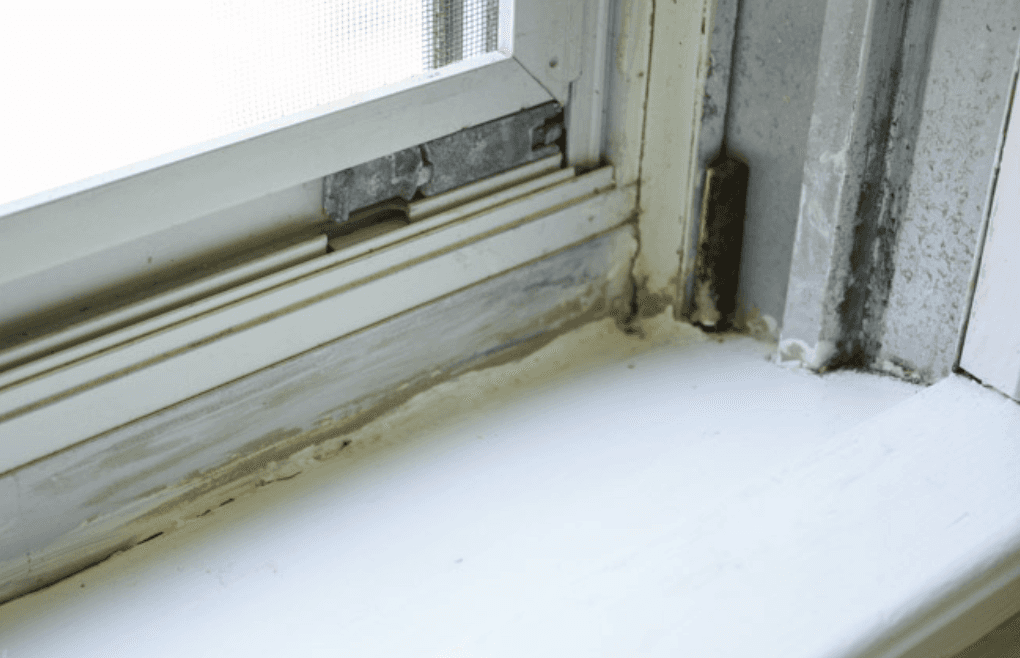
Inspection of sills and transitions focuses on identifying both visible deterioration and hidden moisture pathways. Softness, staining, peeling paint, and separation at joints are common indicators, but deeper assessment is often required to understand the full extent of damage.
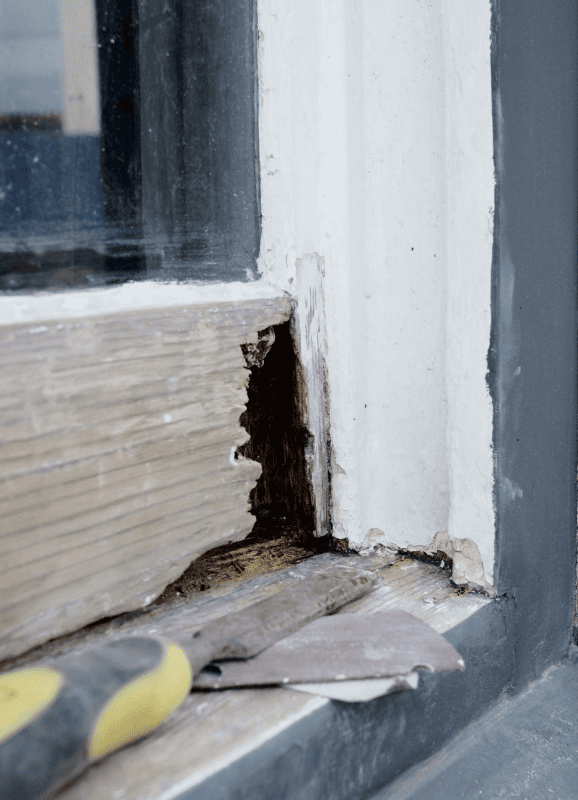
Repairing dry rot at doors and windows requires addressing the source of moisture, not just replacing damaged trim. Proper repairs restore structural integrity, protect interior finishes, and improve the overall durability of the opening.
More Projects