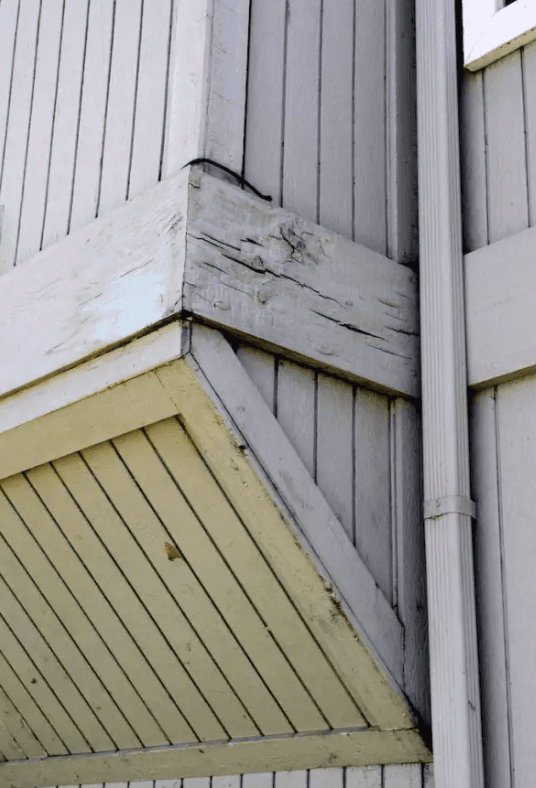
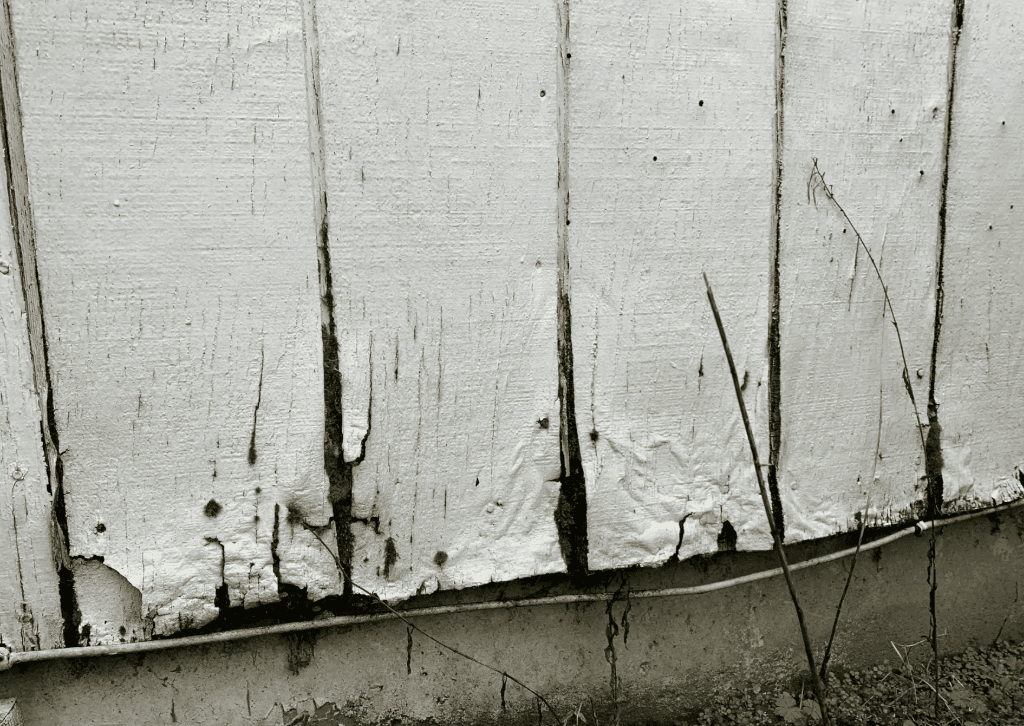
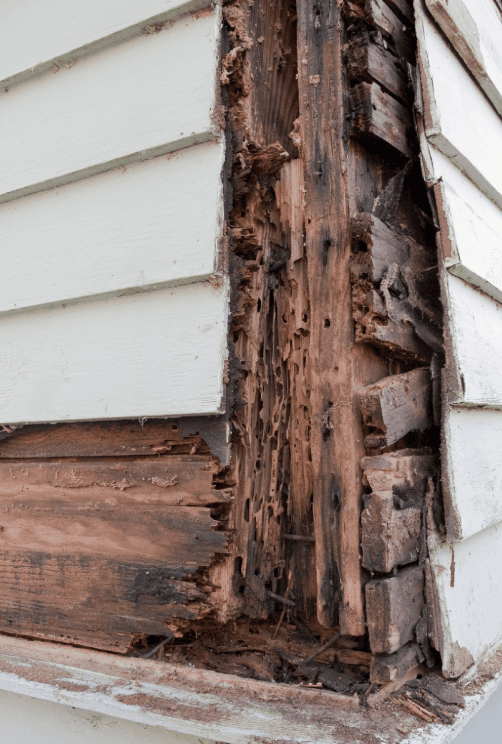
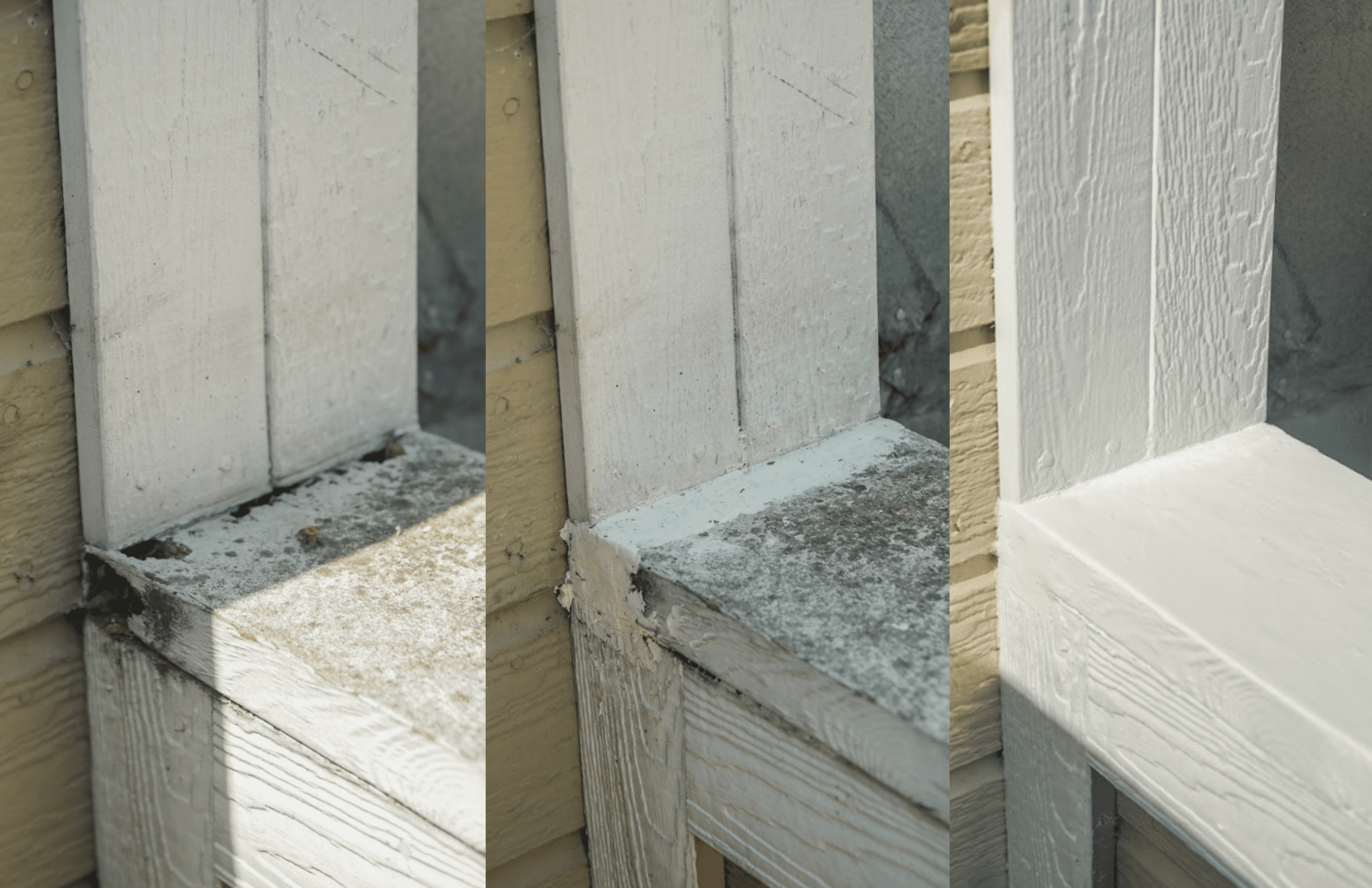
Spot the Rot

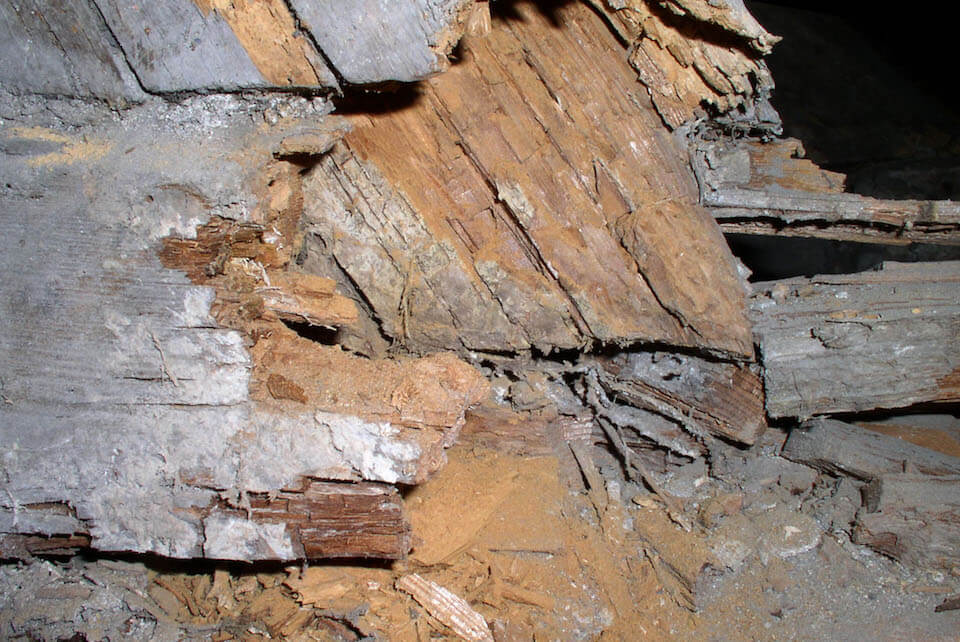
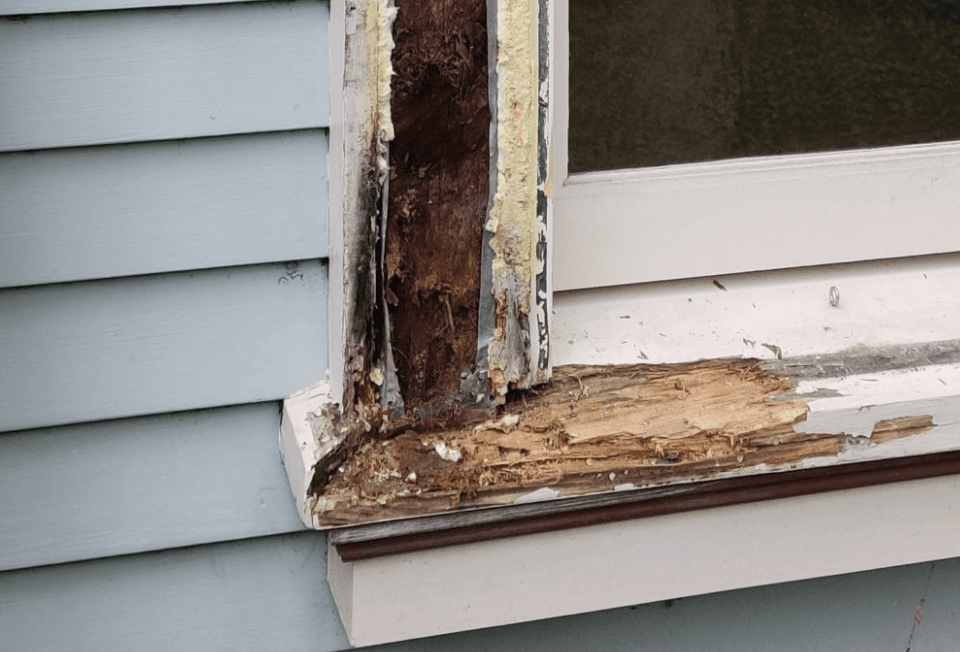
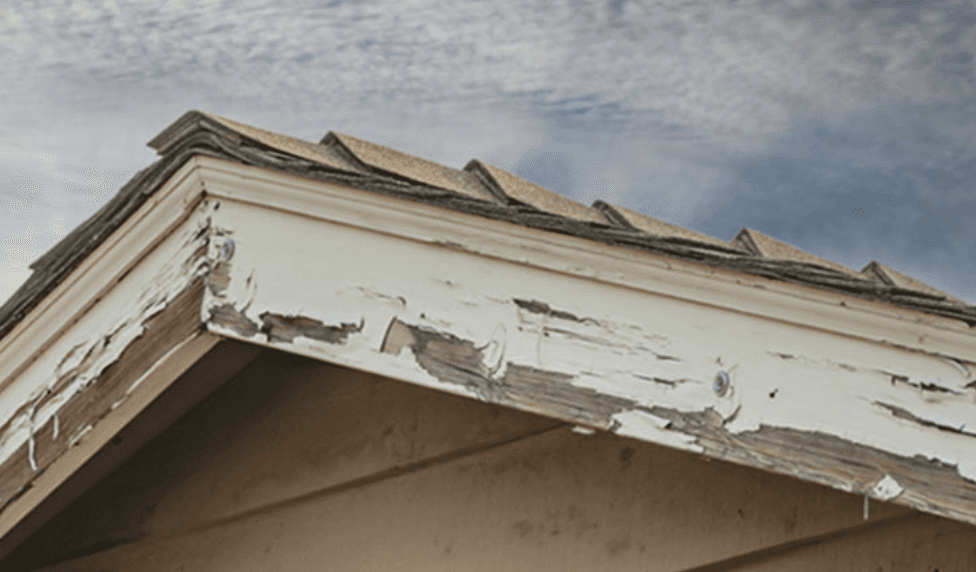
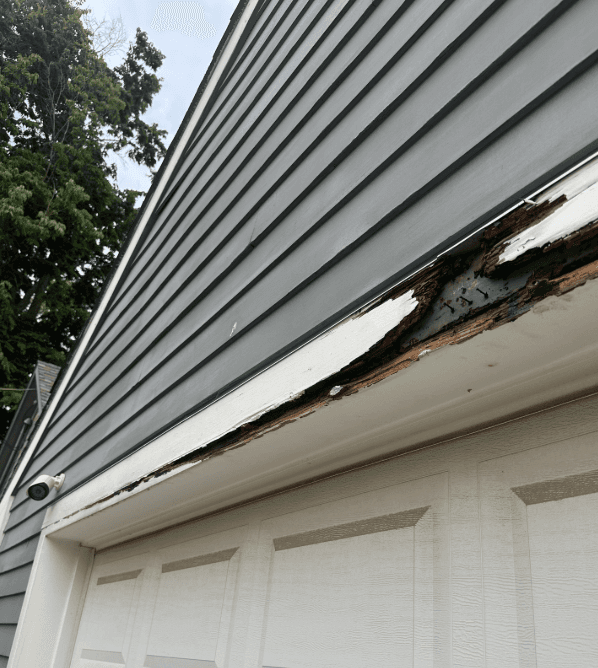
Got Rot? Learn the early signs and how to stop it before minor damage turns costly.

Search articles…
FAQs

FAQs

FAQs

Have Questions?

How do I know if I have dry rot or just peeling paint?

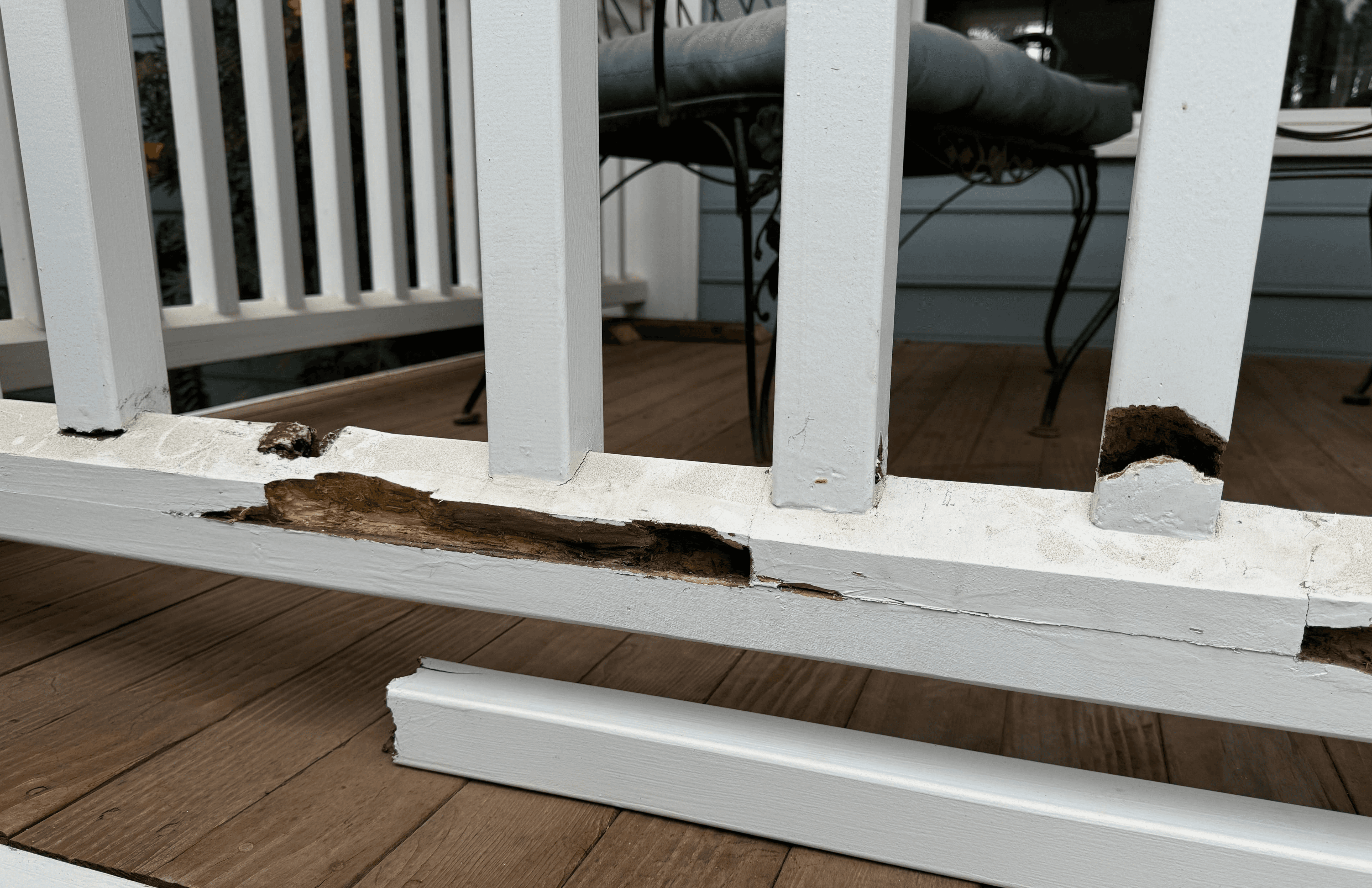
Peeling or bubbling paint can be cosmetic, but it’s often an early sign of moisture intrusion. Dry rot typically develops behind the surface, so a professional inspection is the best way to determine whether the damage is structural or limited to the finish.

Is dry rot a serious problem?

Dry rot can become serious if left untreated. While early-stage rot may only affect small sections of wood, it can spread over time and compromise structural components like fascia, deck posts, and beams.

Can dry rot spread to other areas of my home?

Yes. Dry rot spreads when moisture continues to be present. Once water enters wood, decay can travel behind trim, along framing, and into connected components if the source of moisture isn’t addressed.

Do I need to replace everything that looks rotted?

Not always. Some dry rot damage is localized and can be repaired without full replacement. An inspection helps determine whether targeted repairs are sufficient or if broader work is required.

What causes dry rot in coastal homes?

In coastal areas, dry rot is commonly caused by fog, salt air, and repeated wet-dry cycles that break down paint and sealants. Failed flashing, poor drainage, and older construction details also increase the risk.

How do I know if I have dry rot or just peeling paint?

Peeling or bubbling paint can be cosmetic, but it’s often an early sign of moisture intrusion. Dry rot typically develops behind the surface, so a professional inspection is the best way to determine whether the damage is structural or limited to the finish.

Is dry rot a serious problem?

Dry rot can become serious if left untreated. While early-stage rot may only affect small sections of wood, it can spread over time and compromise structural components like fascia, deck posts, and beams.

Can dry rot spread to other areas of my home?

Yes. Dry rot spreads when moisture continues to be present. Once water enters wood, decay can travel behind trim, along framing, and into connected components if the source of moisture isn’t addressed.

Do I need to replace everything that looks rotted?

Not always. Some dry rot damage is localized and can be repaired without full replacement. An inspection helps determine whether targeted repairs are sufficient or if broader work is required.

What causes dry rot in coastal homes?

In coastal areas, dry rot is commonly caused by fog, salt air, and repeated wet-dry cycles that break down paint and sealants. Failed flashing, poor drainage, and older construction details also increase the risk.

How do I know if I have dry rot or just peeling paint?

Peeling or bubbling paint can be cosmetic, but it’s often an early sign of moisture intrusion. Dry rot typically develops behind the surface, so a professional inspection is the best way to determine whether the damage is structural or limited to the finish.

Is dry rot a serious problem?

Dry rot can become serious if left untreated. While early-stage rot may only affect small sections of wood, it can spread over time and compromise structural components like fascia, deck posts, and beams.

Can dry rot spread to other areas of my home?

Yes. Dry rot spreads when moisture continues to be present. Once water enters wood, decay can travel behind trim, along framing, and into connected components if the source of moisture isn’t addressed.

Do I need to replace everything that looks rotted?

Not always. Some dry rot damage is localized and can be repaired without full replacement. An inspection helps determine whether targeted repairs are sufficient or if broader work is required.

What causes dry rot in coastal homes?

In coastal areas, dry rot is commonly caused by fog, salt air, and repeated wet-dry cycles that break down paint and sealants. Failed flashing, poor drainage, and older construction details also increase the risk.

Can’t find what you’re looking for?