Common Problems

The most frequent dry rot issues we see on the Central Coast.
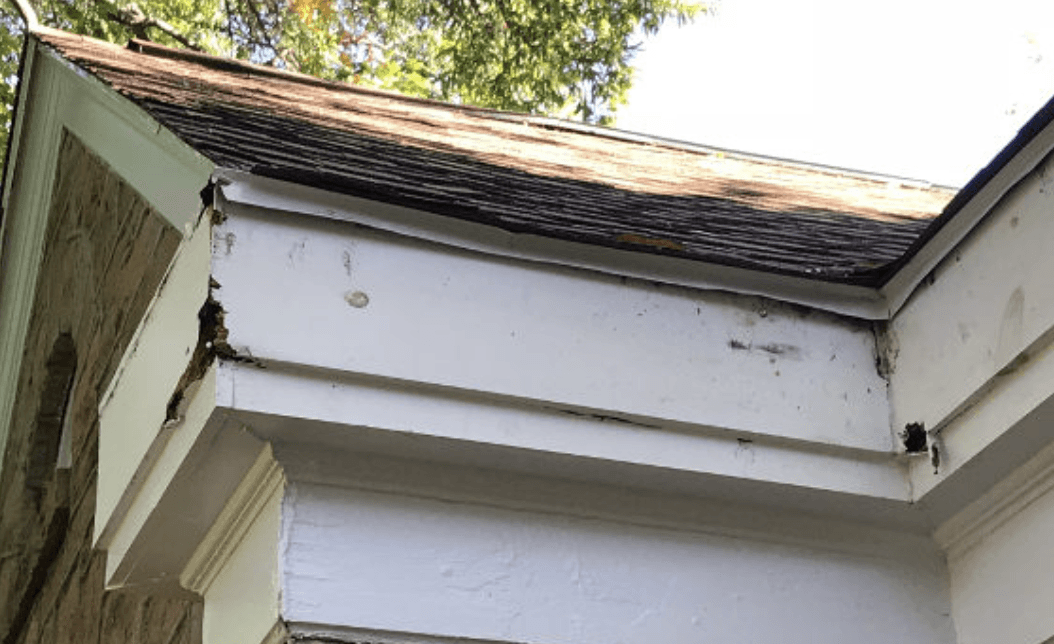
FASCIA + TRIM

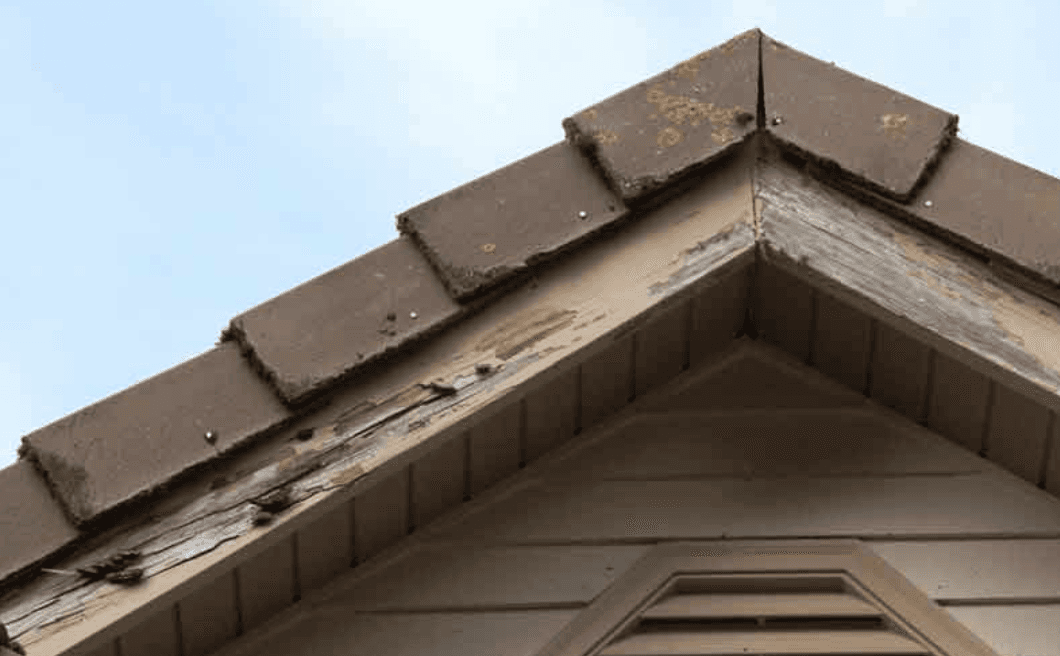
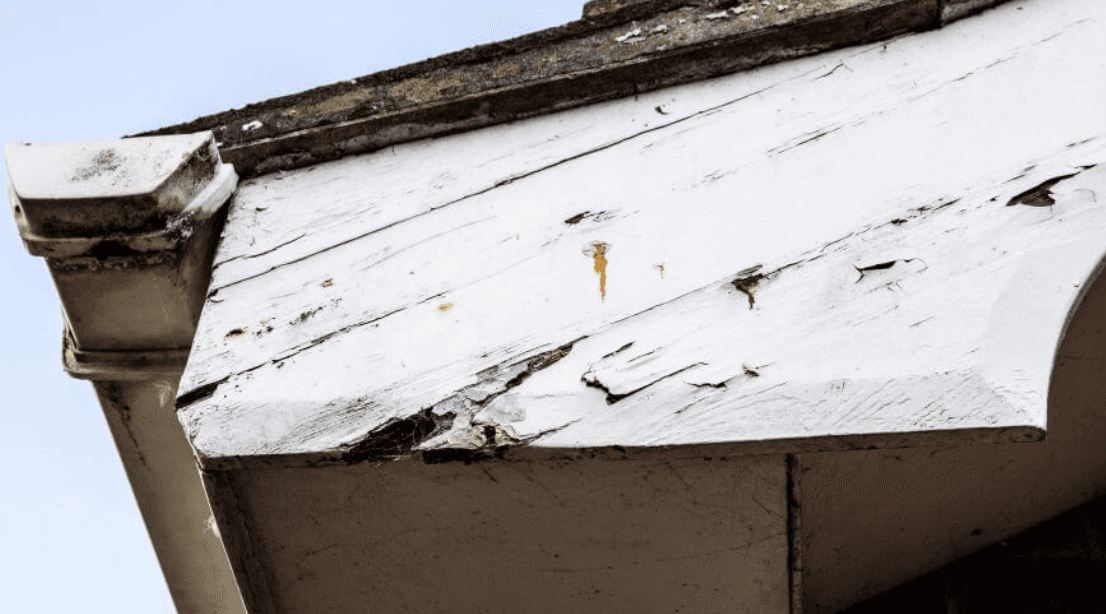
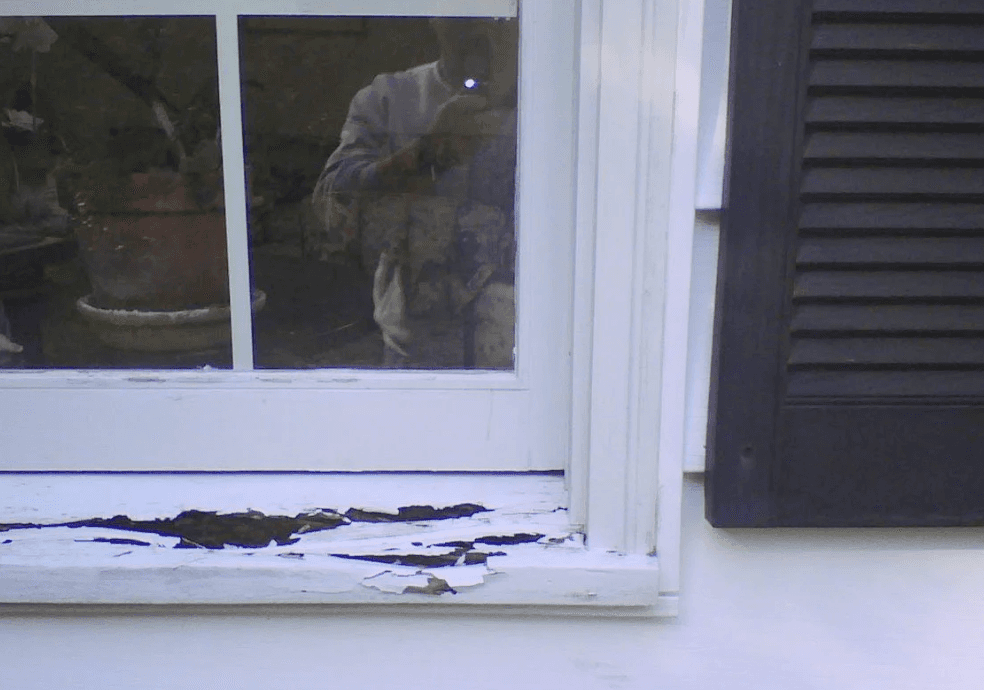
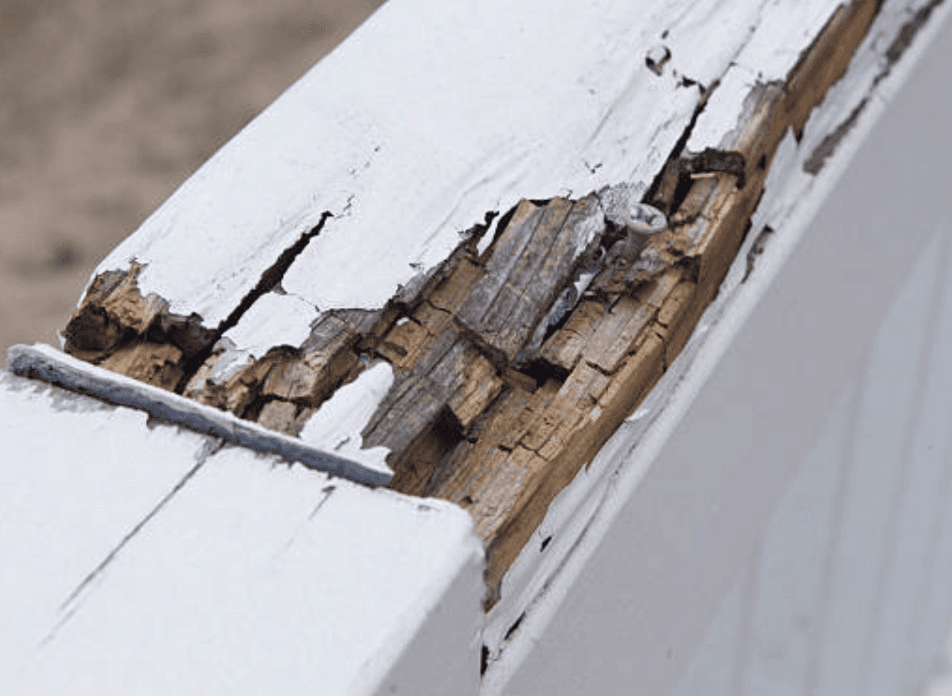
Rotted Fascia Boards

Soft edges, peeling paint, and hidden decay at rooflines—especially near gutters and returns

FASCIA + TRIM

Rotted Fascia Boards

Soft edges, peeling paint, and hidden decay at rooflines—especially near gutters and returns

FASCIA + TRIM

Rotted Fascia Boards

Soft edges, peeling paint, and hidden decay at rooflines—especially near gutters and returns

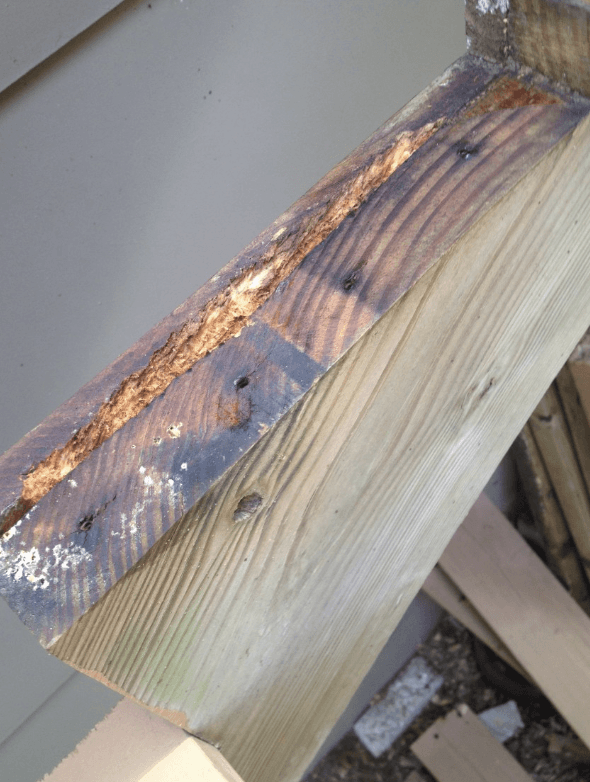
DECKS

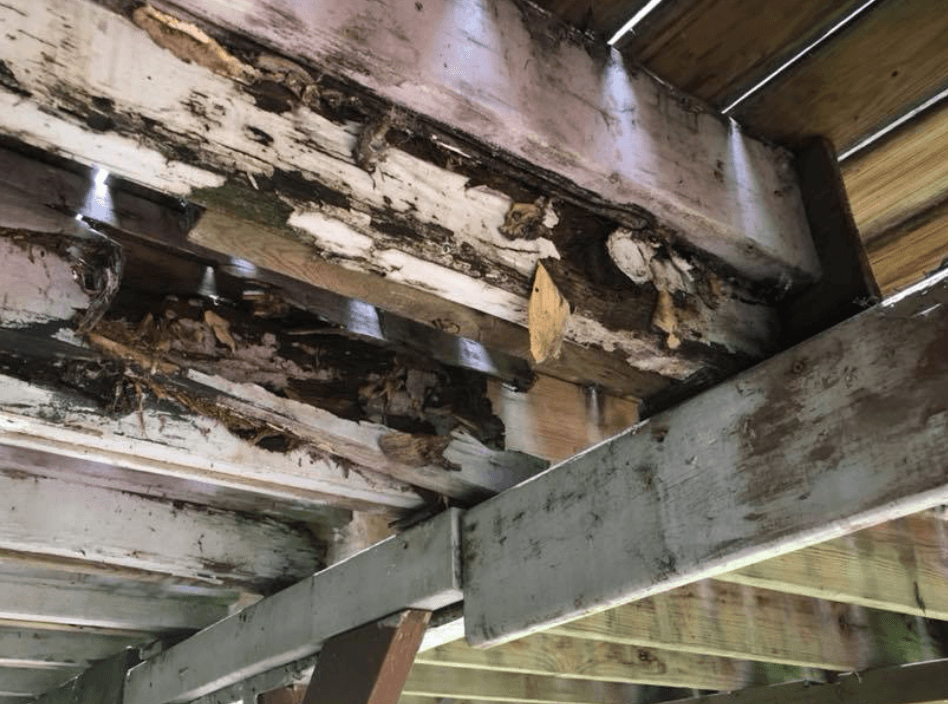
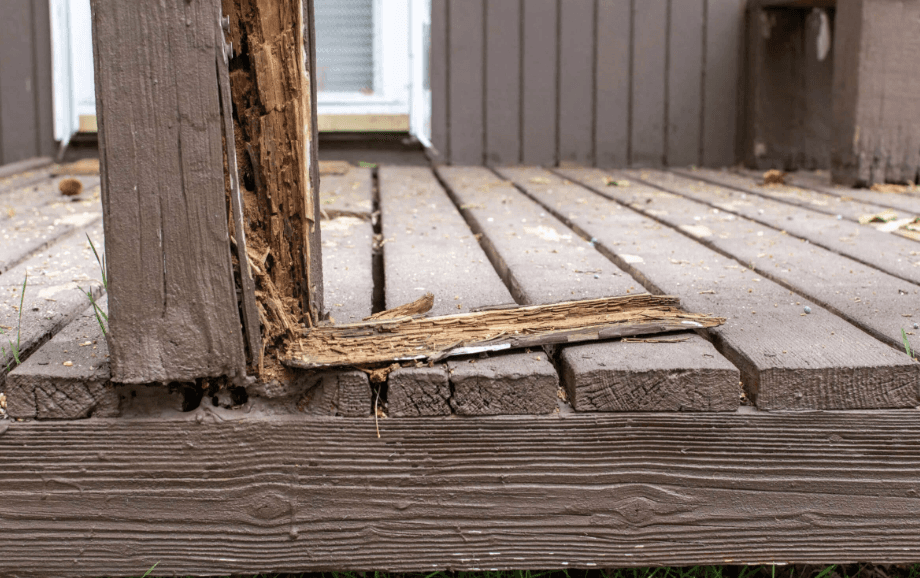
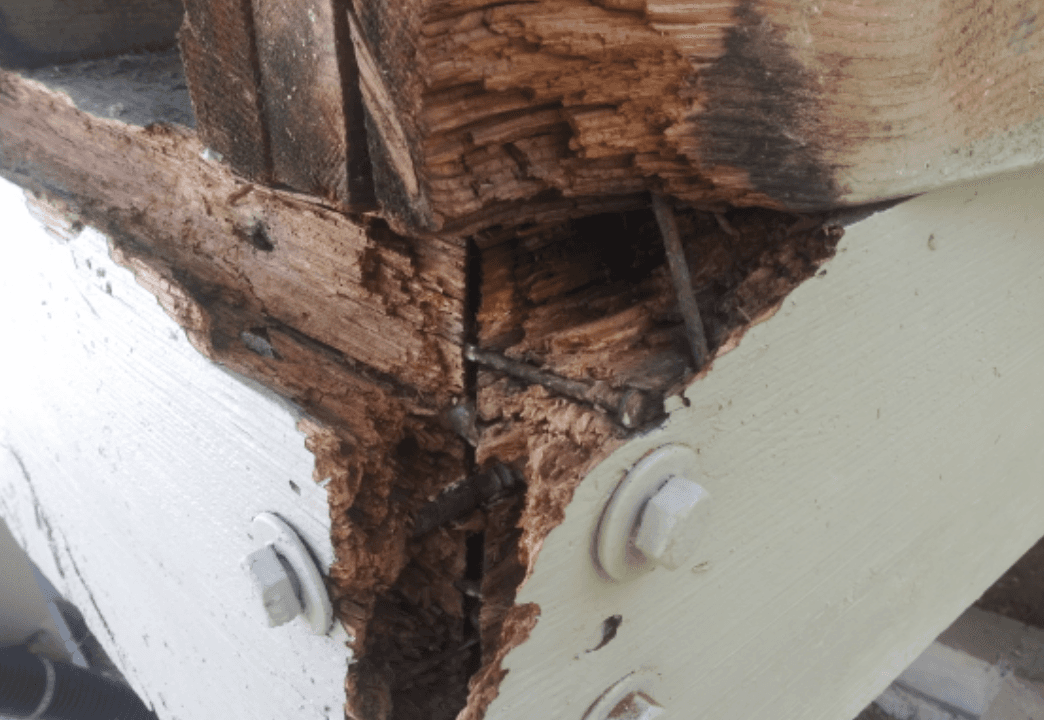
Deck Posts & Beams

Rot often starts at post bases and horizontal joints where water sits and penetrates end-grain.

DECKS

Deck Posts & Beams

Rot often starts at post bases and horizontal joints where water sits and penetrates end-grain.

DECKS

Deck Posts & Beams

Rot often starts at post bases and horizontal joints where water sits and penetrates end-grain.

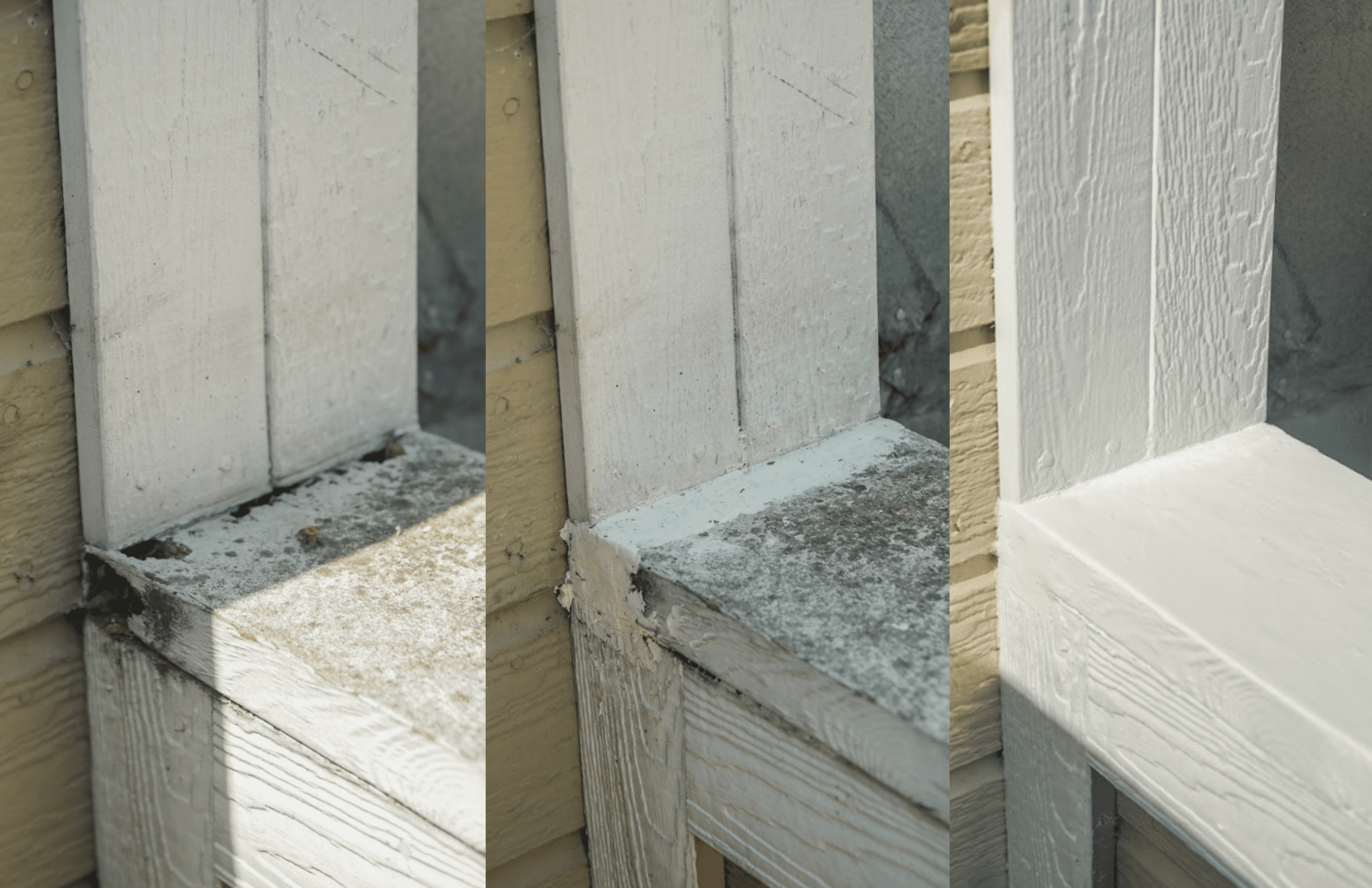
ENTRY + WINDOWS

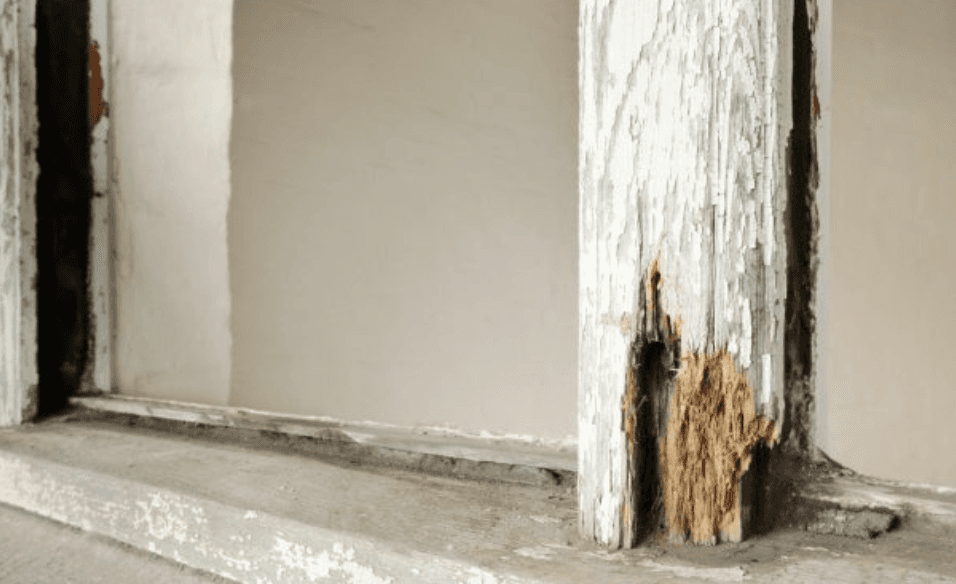
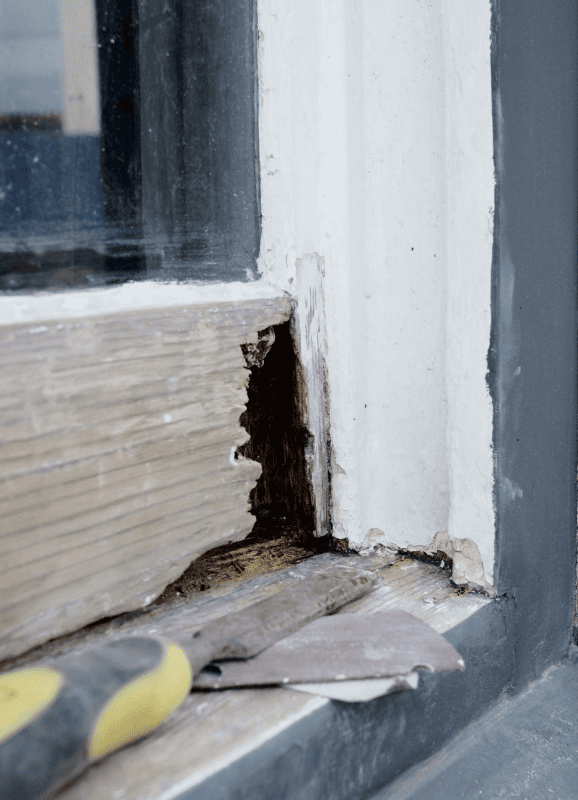
Sills, Trim, and Transitions

Common around doors, windows, and siding transitions where flashing or sealants fail over time.

ENTRY + WINDOWS

Sills, Trim, and Transitions

Common around doors, windows, and siding transitions where flashing or sealants fail over time.

ENTRY + WINDOWS

Sills, Trim, and Transitions

Common around doors, windows, and siding transitions where flashing or sealants fail over time.

SAFETY + STRUCTURE

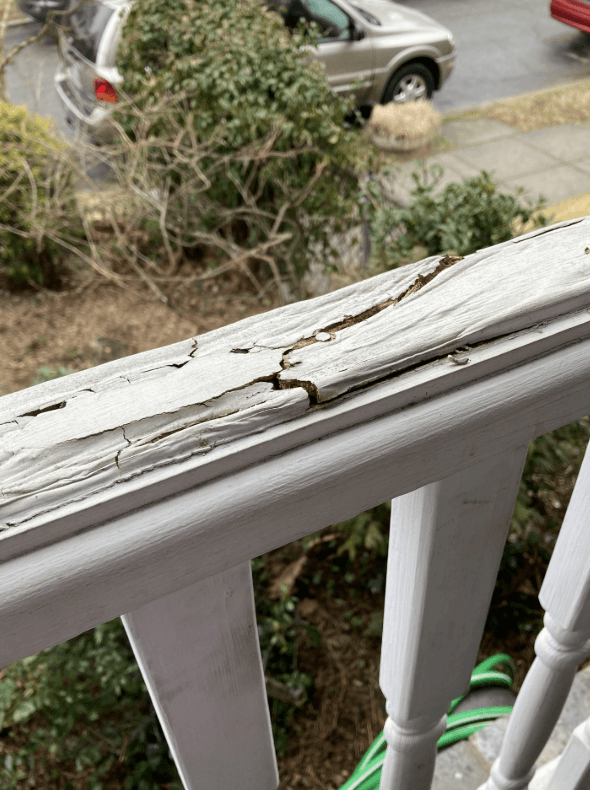
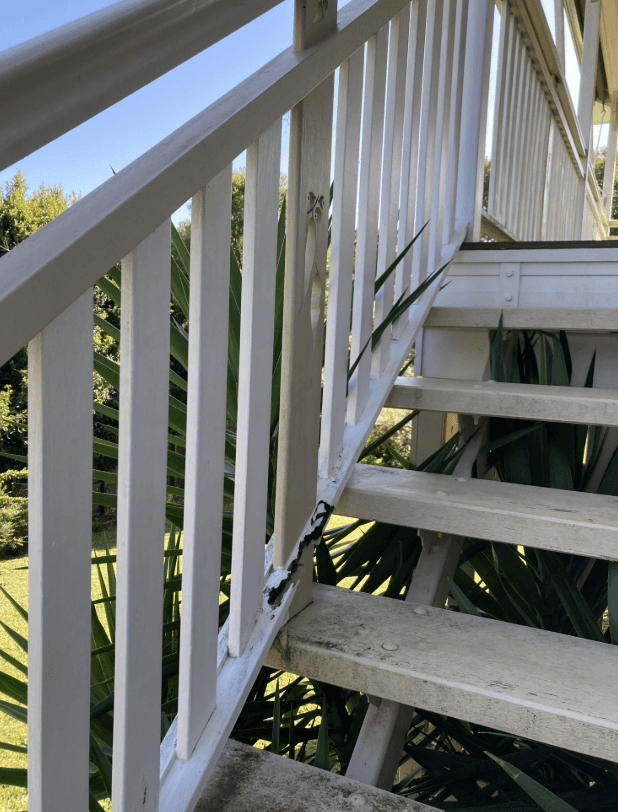
Rotted Railings & Guardrails

Railings and guardrails are highly exposed to moisture at post bases, fasteners, and horizontal joints. Over time, water intrusion causes wood to soften, loosen, and lose structural integrity—creating both safety risks and code concerns.

SAFETY + STRUCTURE

Rotted Railings & Guardrails

Railings and guardrails are highly exposed to moisture at post bases, fasteners, and horizontal joints. Over time, water intrusion causes wood to soften, loosen, and lose structural integrity—creating both safety risks and code concerns.

SAFETY + STRUCTURE

Rotted Railings & Guardrails

Railings and guardrails are highly exposed to moisture at post bases, fasteners, and horizontal joints. Over time, water intrusion causes wood to soften, loosen, and lose structural integrity—creating both safety risks and code concerns.

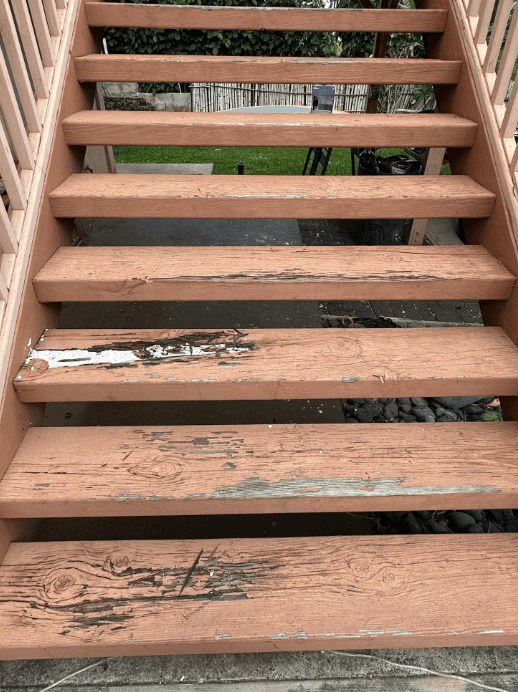
DECKS + ACCESS

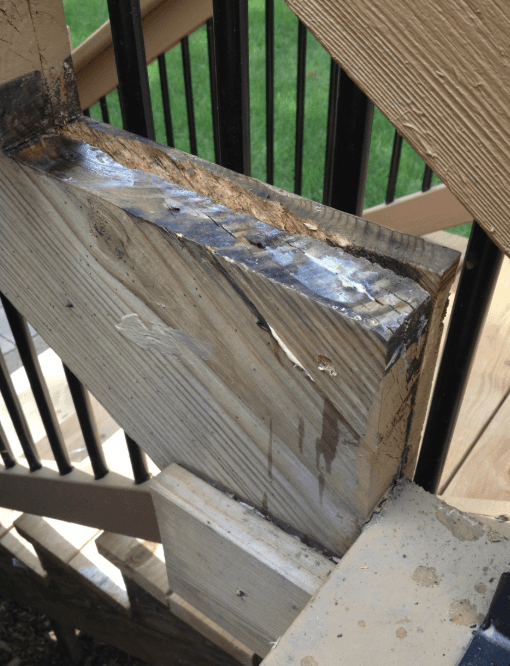
Stair Stringers & Landings

Stair stringers and landings are especially vulnerable to rot due to constant foot traffic, trapped moisture, and direct exposure to rain and fog. Damage often begins at cut ends, fasteners, and contact points with concrete or soil.

DECKS + ACCESS

Stair Stringers & Landings

Stair stringers and landings are especially vulnerable to rot due to constant foot traffic, trapped moisture, and direct exposure to rain and fog. Damage often begins at cut ends, fasteners, and contact points with concrete or soil.

DECKS + ACCESS

Stair Stringers & Landings

Stair stringers and landings are especially vulnerable to rot due to constant foot traffic, trapped moisture, and direct exposure to rain and fog. Damage often begins at cut ends, fasteners, and contact points with concrete or soil.

FAQs

FAQs

FAQs

Have Questions?

How do I know if I have dry rot or just peeling paint?

Peeling or bubbling paint can be cosmetic, but it’s often an early sign of moisture intrusion. Dry rot typically develops behind the surface, so a professional inspection is the best way to determine whether the damage is structural or limited to the finish.

Is dry rot a serious problem?

Dry rot can become serious if left untreated. While early-stage rot may only affect small sections of wood, it can spread over time and compromise structural components like fascia, deck posts, and beams.

Can dry rot spread to other areas of my home?

Yes. Dry rot spreads when moisture continues to be present. Once water enters wood, decay can travel behind trim, along framing, and into connected components if the source of moisture isn’t addressed.

Do I need to replace everything that looks rotted?

Not always. Some dry rot damage is localized and can be repaired without full replacement. An inspection helps determine whether targeted repairs are sufficient or if broader work is required.

What causes dry rot in coastal homes?

In coastal areas, dry rot is commonly caused by fog, salt air, and repeated wet-dry cycles that break down paint and sealants. Failed flashing, poor drainage, and older construction details also increase the risk.

How do I know if I have dry rot or just peeling paint?

Peeling or bubbling paint can be cosmetic, but it’s often an early sign of moisture intrusion. Dry rot typically develops behind the surface, so a professional inspection is the best way to determine whether the damage is structural or limited to the finish.

Is dry rot a serious problem?

Dry rot can become serious if left untreated. While early-stage rot may only affect small sections of wood, it can spread over time and compromise structural components like fascia, deck posts, and beams.

Can dry rot spread to other areas of my home?

Yes. Dry rot spreads when moisture continues to be present. Once water enters wood, decay can travel behind trim, along framing, and into connected components if the source of moisture isn’t addressed.

Do I need to replace everything that looks rotted?

Not always. Some dry rot damage is localized and can be repaired without full replacement. An inspection helps determine whether targeted repairs are sufficient or if broader work is required.

What causes dry rot in coastal homes?

In coastal areas, dry rot is commonly caused by fog, salt air, and repeated wet-dry cycles that break down paint and sealants. Failed flashing, poor drainage, and older construction details also increase the risk.

How do I know if I have dry rot or just peeling paint?

Peeling or bubbling paint can be cosmetic, but it’s often an early sign of moisture intrusion. Dry rot typically develops behind the surface, so a professional inspection is the best way to determine whether the damage is structural or limited to the finish.

Is dry rot a serious problem?

Dry rot can become serious if left untreated. While early-stage rot may only affect small sections of wood, it can spread over time and compromise structural components like fascia, deck posts, and beams.

Can dry rot spread to other areas of my home?

Yes. Dry rot spreads when moisture continues to be present. Once water enters wood, decay can travel behind trim, along framing, and into connected components if the source of moisture isn’t addressed.

Do I need to replace everything that looks rotted?

Not always. Some dry rot damage is localized and can be repaired without full replacement. An inspection helps determine whether targeted repairs are sufficient or if broader work is required.

What causes dry rot in coastal homes?

In coastal areas, dry rot is commonly caused by fog, salt air, and repeated wet-dry cycles that break down paint and sealants. Failed flashing, poor drainage, and older construction details also increase the risk.

Can’t find what you’re looking for?