Stair Stringers & Landings
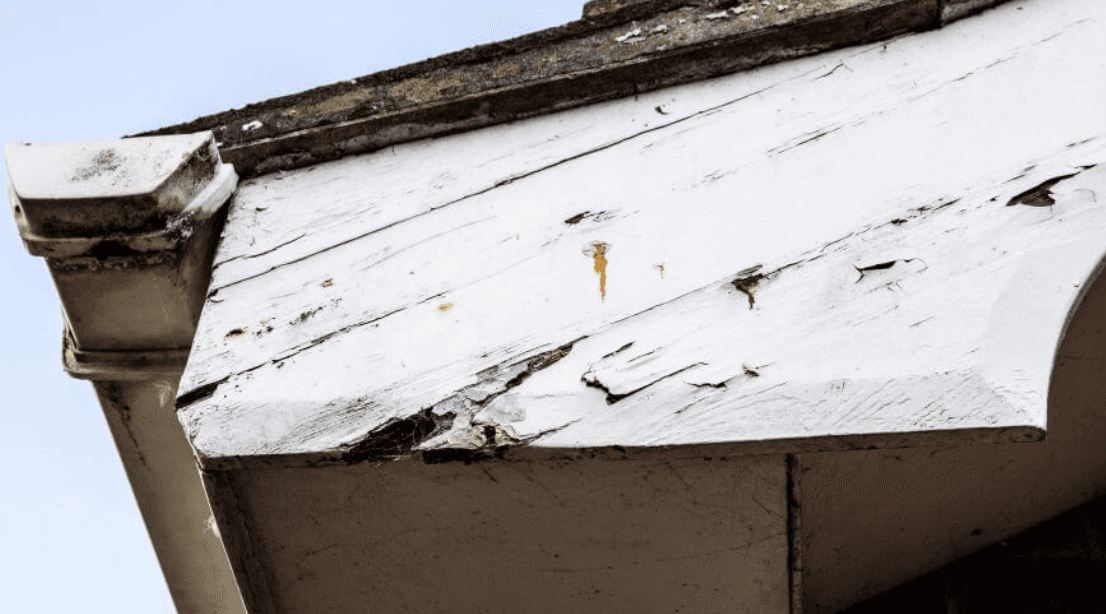
Stair stringers and landings are especially vulnerable to rot due to constant foot traffic, trapped moisture, and direct exposure to rain and fog. Damage often begins at cut ends, fasteners, and contact points with concrete or soil.
Stair Stringers & Landings
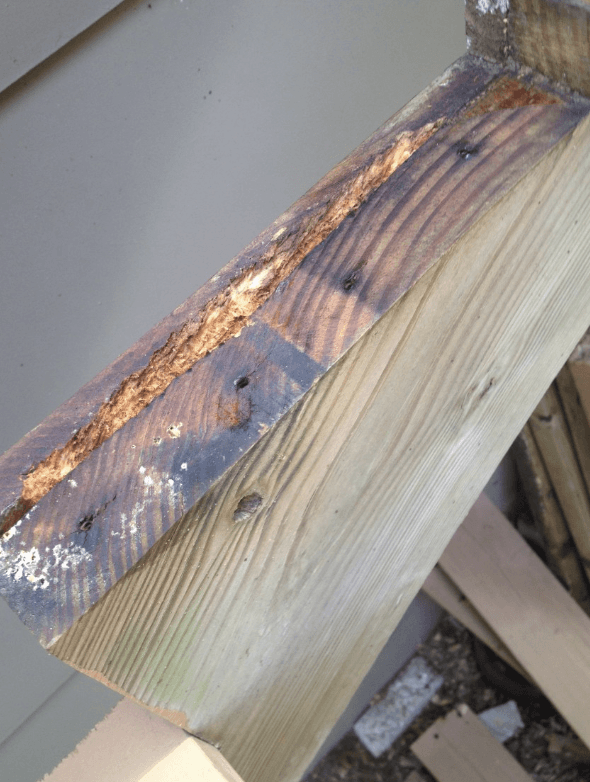
Stair stringers and landings experience some of the harshest conditions on an exterior structure. Constant foot traffic, exposure to rain and fog, and contact with concrete or soil make these components highly susceptible to dry rot and structural deterioration.
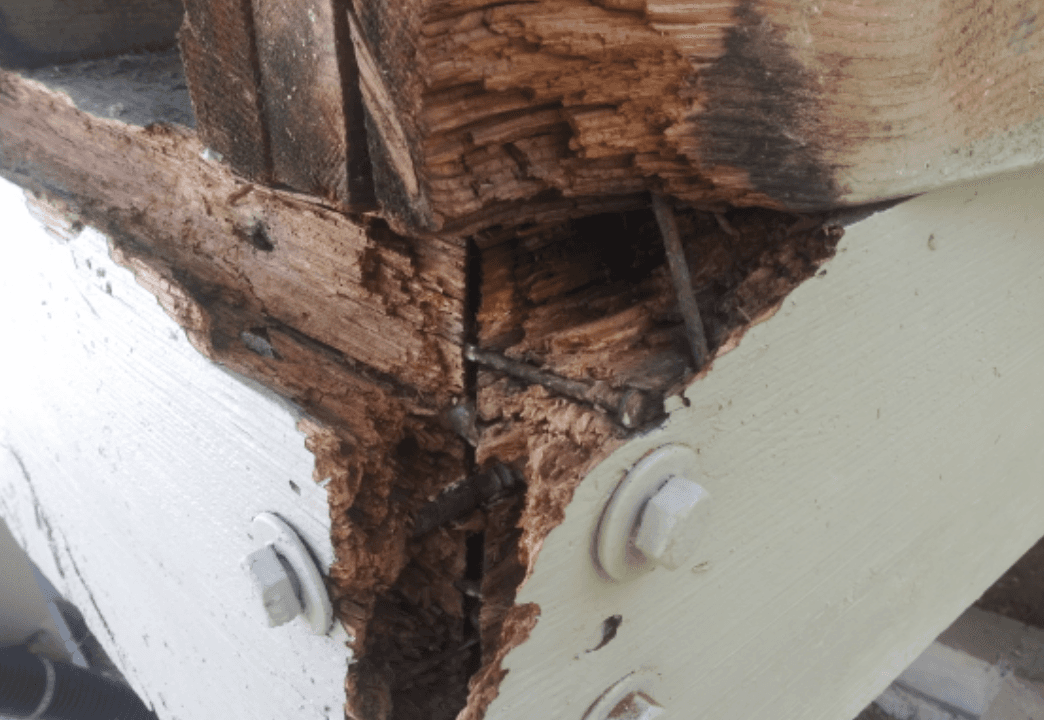
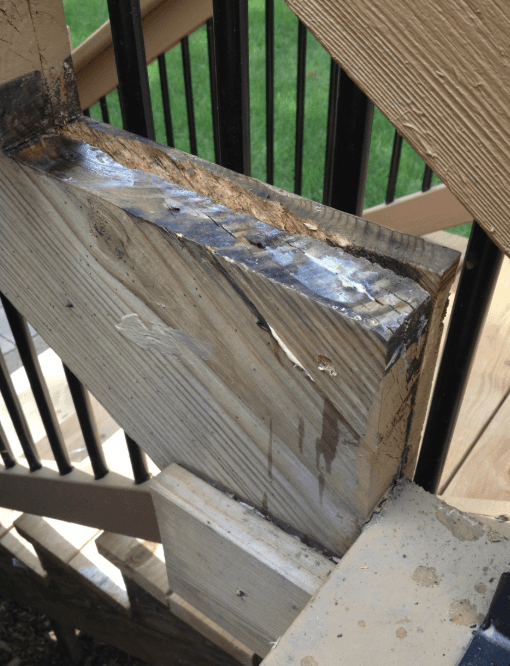
Dry rot commonly begins at the lower ends of stair stringers, where water pools and airflow is restricted. Cut ends, fastener penetrations, and areas in direct contact with hard surfaces are particularly vulnerable. Landings often deteriorate along edges and beneath surface boards, where moisture becomes trapped.
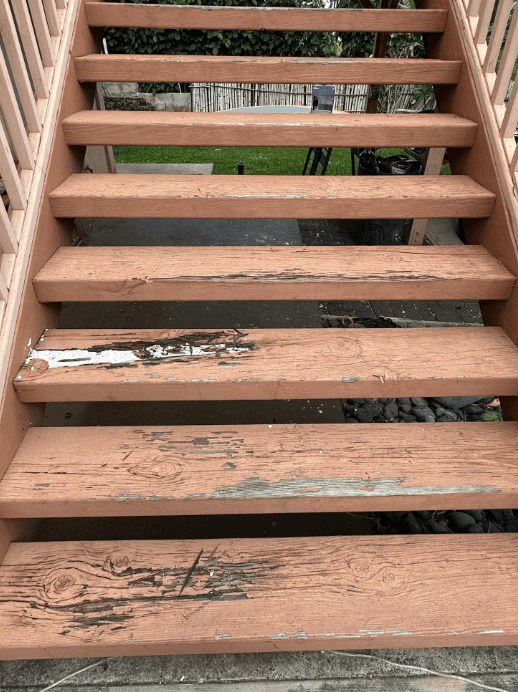
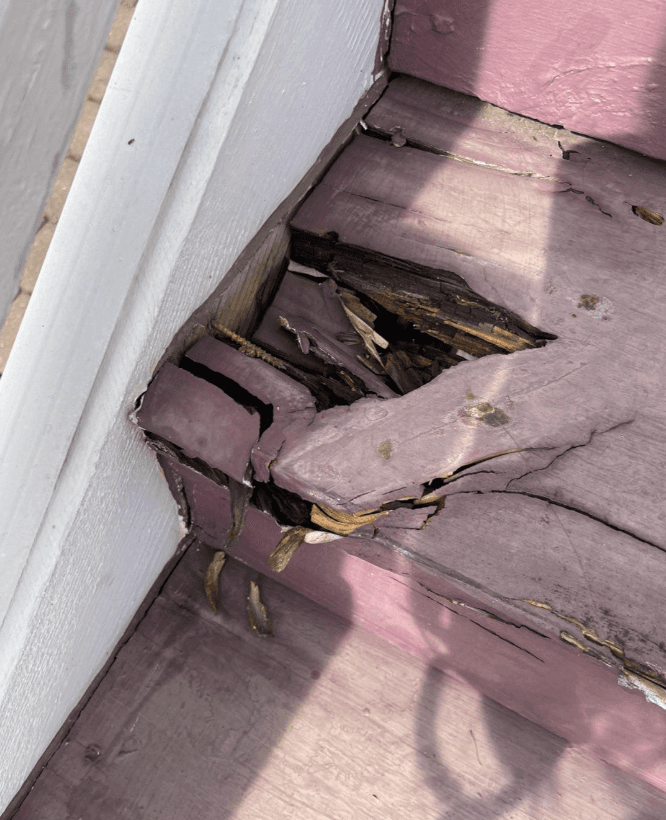
Because stairs are load-bearing and heavily used, rot in these areas poses a significant safety risk. Stringers may weaken internally while still appearing intact, leading to instability or sudden failure. Landings with hidden rot can become uneven, soft, or unsafe underfoot.
The Result
Coastal environments accelerate these issues. Persistent humidity and salt exposure degrade protective coatings more quickly, increasing moisture absorption. In many cases, stair components were not detailed for long-term moisture resistance when originally built.
Inspection focuses on identifying structural integrity, moisture pathways, and the extent of decay. Determining whether damage is localized or systemic helps guide repair decisions and prevent recurring issues.
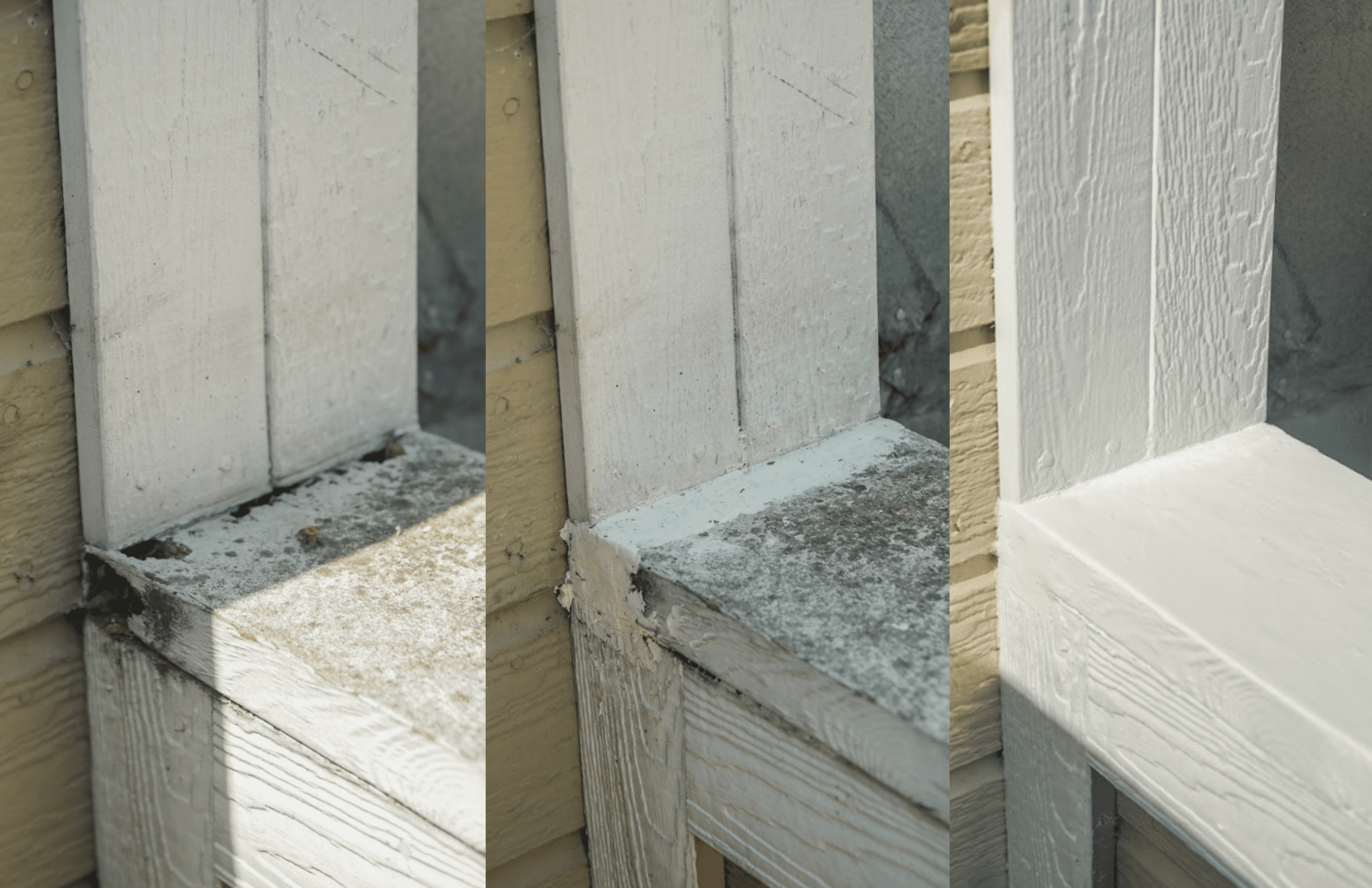
Effective repairs involve removing compromised components, improving drainage and airflow, and rebuilding with proper materials and detailing. Addressing stair stringer and landing rot early helps maintain safety and avoids more extensive reconstruction.
More Projects