Central Coast Dry Rot: How to Spot Dry Rot Before It Becomes a Major Repair
At first glance, dry rot can look like a minor cosmetic issue, a small crack, a patch of discoloration, or slightly brittle wood. But beneath the surface, it’s one of the most damaging (and expensive) problems a structure can face.
Apr 27, 2026
2 minutes
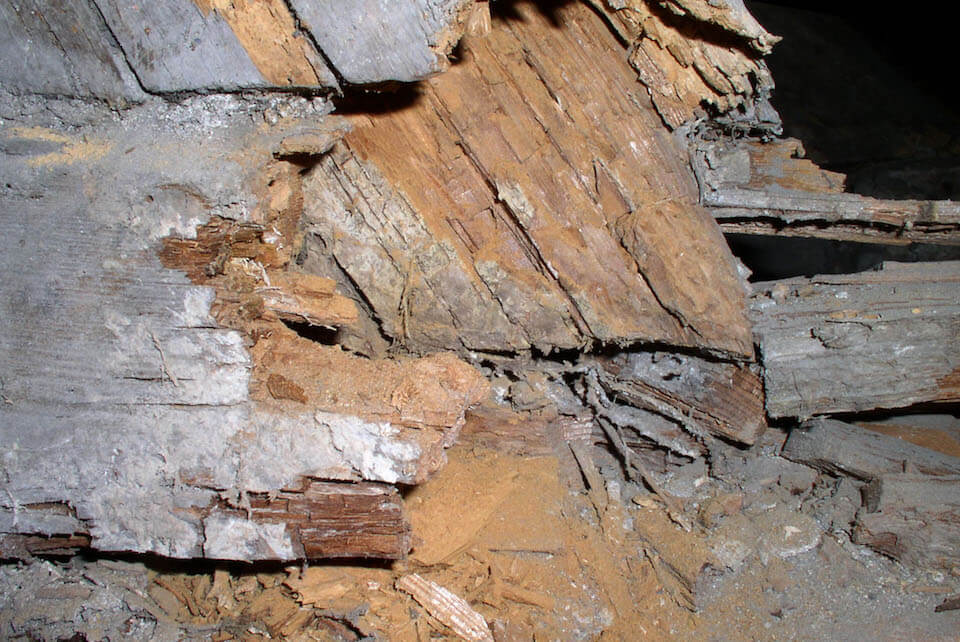
The key? Catching it early.
Here’s how to identify dry rot before it turns into a full-scale repair.
What Is Dry Rot, Really?
Despite the name, dry rot isn’t actually “dry.”
It’s a type of fungal decay that thrives in wood exposed to moisture over time. Once it starts, it spreads quietly, breaking down the structure of the wood from the inside out.
And the dangerous part?
You often don’t see the full damage until it’s already advanced.
Early Signs of Dry Rot
Cracked or Splitting Wood
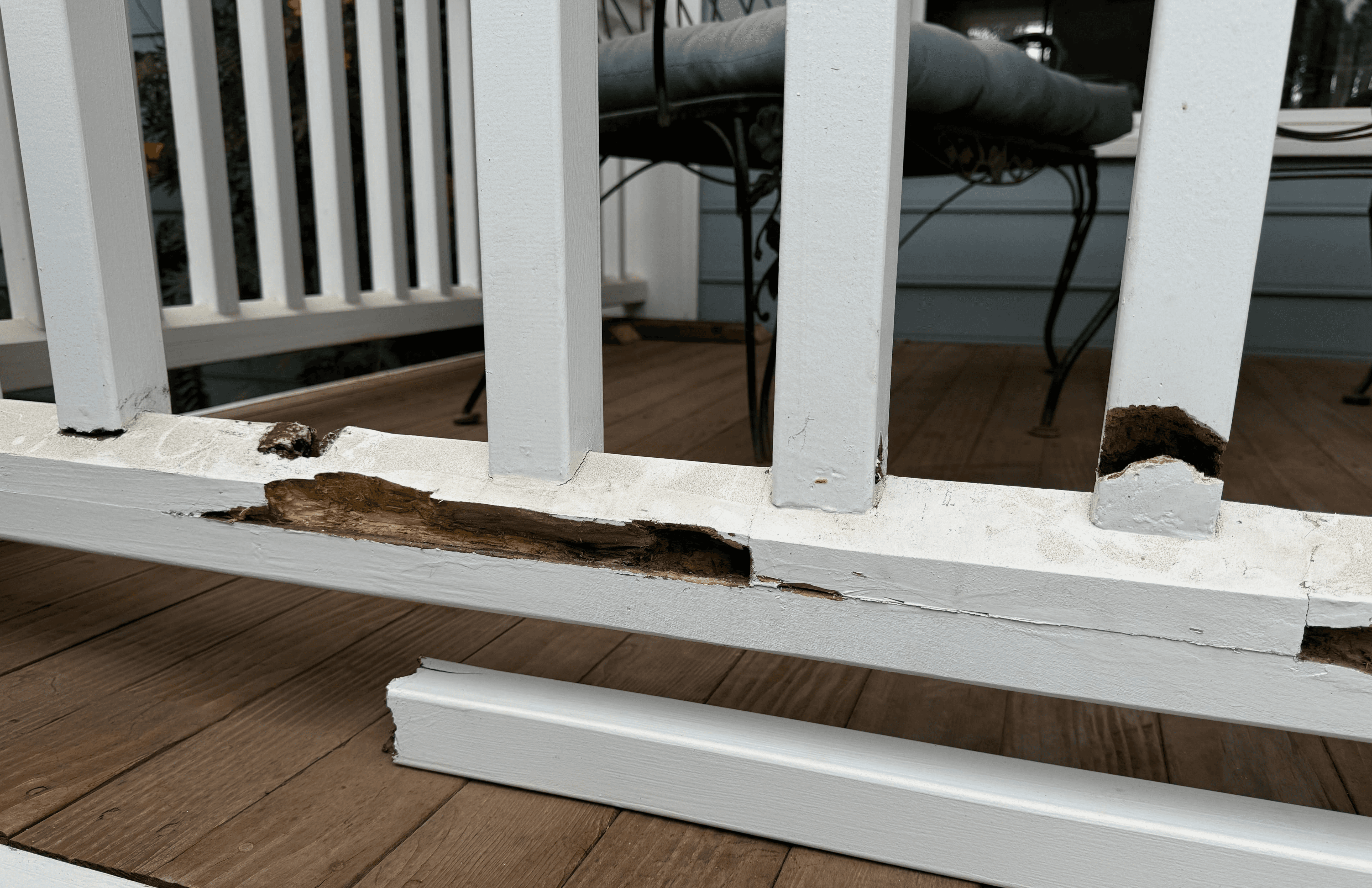
Wood affected by dry rot often develops deep cracks or splits along the grain.
This isn’t normal weathering, it’s a sign the internal structure is breaking down.
Wood That Feels Soft or Brittle
Healthy wood should feel solid.
If it:
Crumbles easily
Feels spongy
Breaks apart under light pressure
…it may already be compromised.
Quick test: Gently press into the wood with a screwdriver. If it sinks in easily, that’s a warning sign.
3. Discoloration or Dark Patches
Dry rot often appears as:
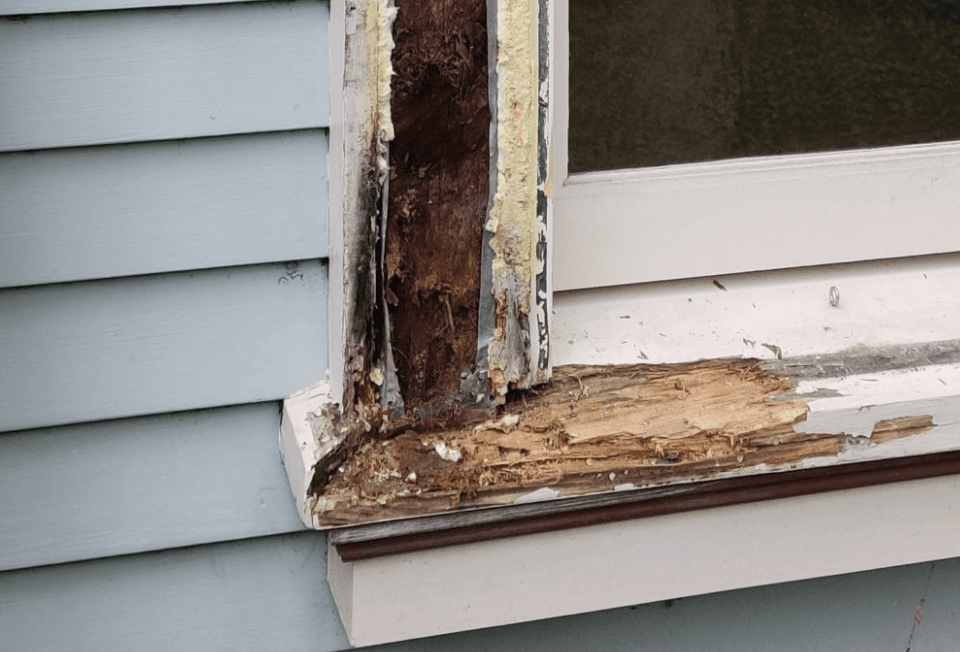
Dark brown or gray areas
Uneven staining
Dull, lifeless wood
It may look subtle at first, but it’s usually the beginning of deeper damage.
Musty or Damp Smell
If an area smells:
Damp
Earthy
Slightly moldy
…it could indicate fungal activity, even if visible damage is minimal.
Peeling or Flaking Paint
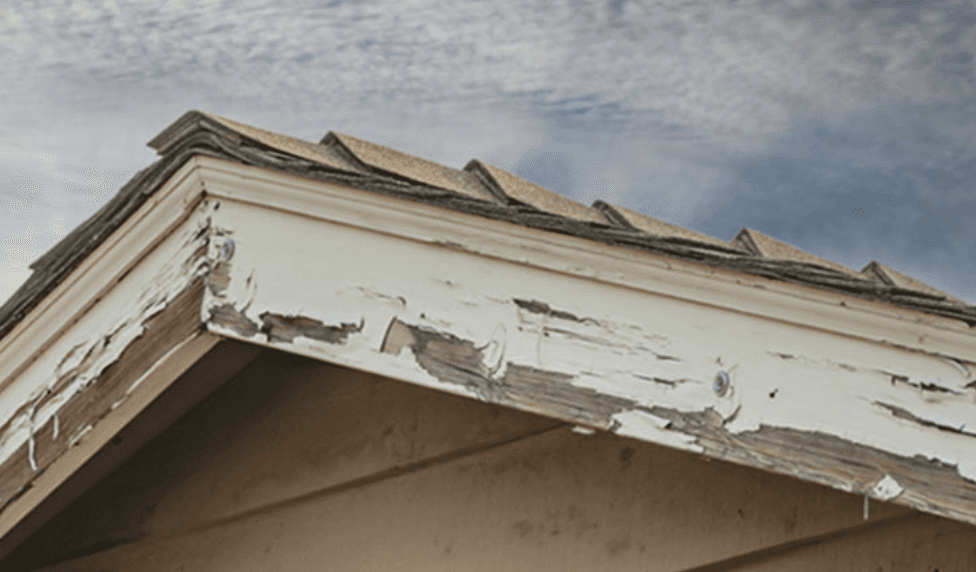
Paint or stain can trap moisture underneath.
If you notice:
Bubbling
Peeling
Flaking
…it may be hiding rot beneath the surface.
Warped or Shrinking Wood
As dry rot progresses, wood can:
Warp
Shrink
Pull away from joints
This can affect both appearance and structural stability.
Keep a close eye on areas exposed to moisture or poor airflow:
Deck boards and railings
Window frames and door trim
Siding and exterior wood features
Crawl spaces or shaded areas
Anywhere water tends to sit
Dry rot doesn’t stay contained.
Left untreated, it can:
Spread to surrounding wood
Weaken structural components
Lead to costly, large-scale repairs
What starts as a small patch can quickly become a major rebuild.
The best way to deal with dry rot is to stop it before it starts:
Seal and stain wood regularly
Ensure proper drainage
Improve airflow in enclosed spaces
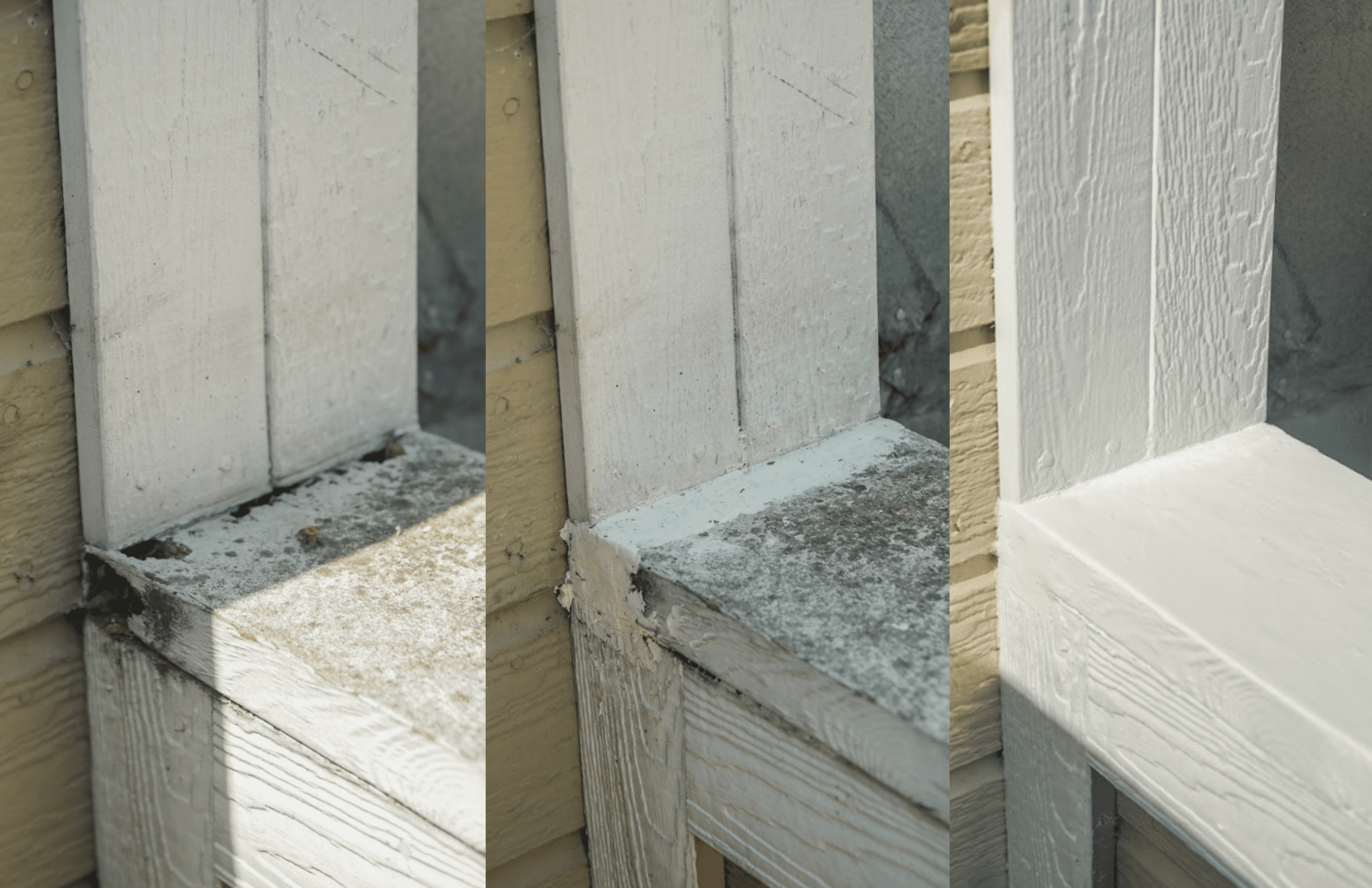
Inspect your deck and exterior wood seasonally
Protect Your Investment
Your home’s exterior isn’t just about appearance, it’s about longevity and structural integrity. At Rogall + Co, we believe small details matter, especially the ones you don’t see right away.
Catching dry rot early means fewer repairs, lower costs, and a space you can trust.
Join the newsletter
Be the first to read our articles.
More Articles