Dry Rot vs. Wood Rot: What’s the Difference and Why It Matters on the Central Coast
Many homeowners use the term “dry rot” to describe any deteriorating wood, but not all rot is the same. On the Central Coast, understanding the difference between dry rot and other types of wood rot can help homeowners make better repair decisions and avoid unnecessary costs. This article explains the key differences, common causes in coastal environments, where each type of rot typically appears, and when it’s time to call a professional.
Jun 16, 2025
4 min read
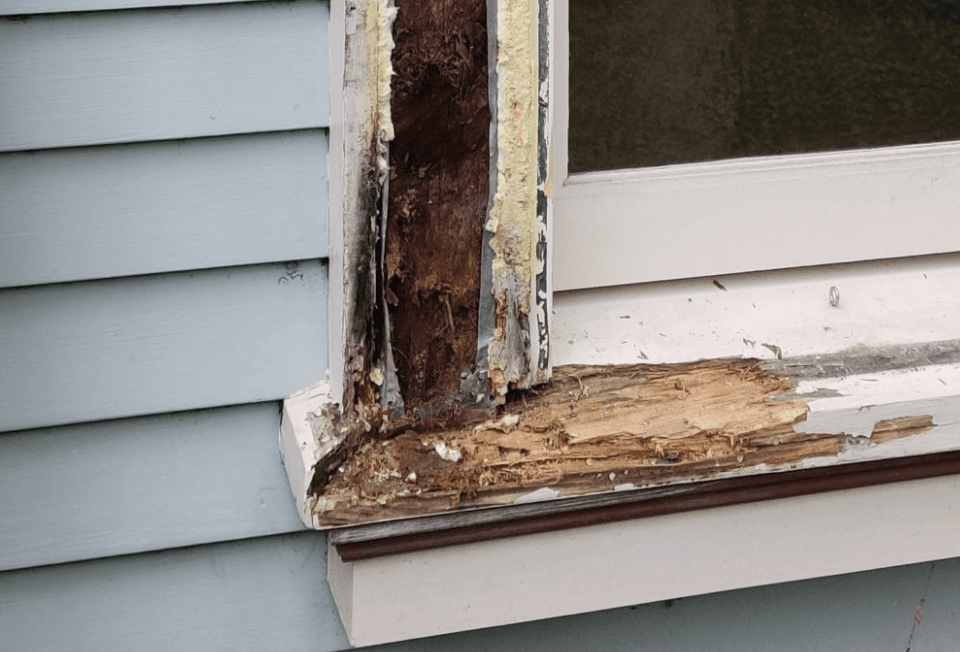
Dry Rot vs. Wood Rot: What Central Coast Homeowners Should Know
Wood rot is one of the most common issues homeowners encounter along the Central Coast, but not all rot is the same. The terms dry rot and wood rot are often used interchangeably, which can lead to confusion and poor repair decisions. Understanding the difference helps homeowners know what they’re dealing with—and how serious the problem really is.
What Is Dry Rot?
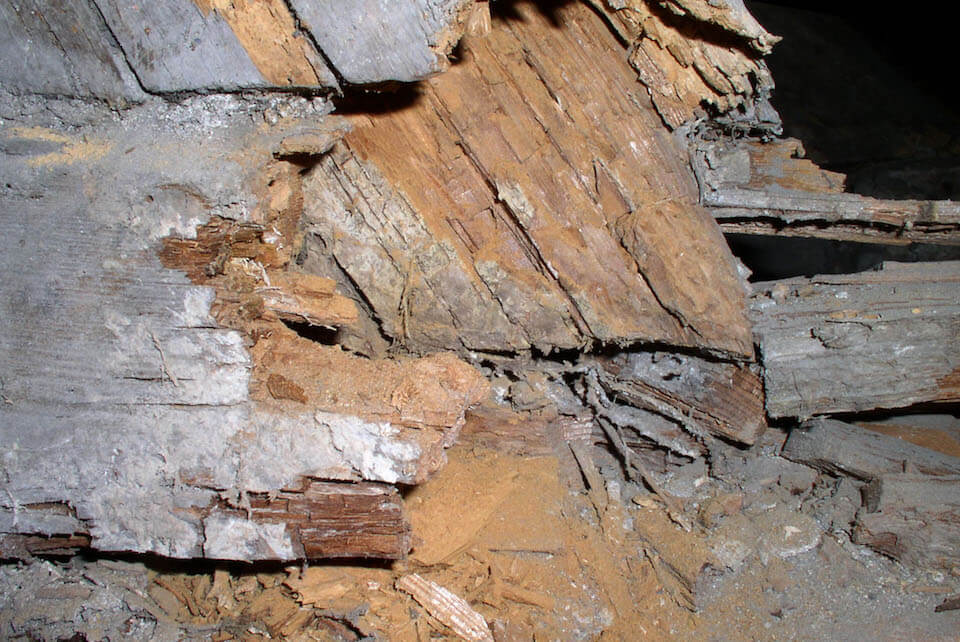
Dry rot is a type of fungal decay that breaks down the structural fibers of wood when moisture is present for an extended period. Despite the name, dry rot requires moisture to start and spread. Once established, it can weaken wood significantly while remaining hidden beneath paint or trim.
Dry rot commonly appears in:
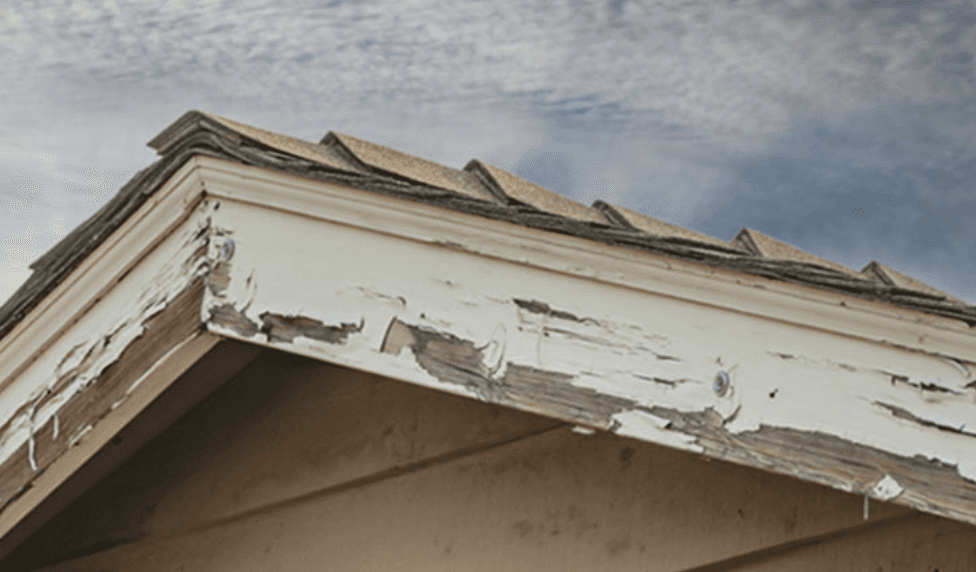
Fascia boards
Exterior trim
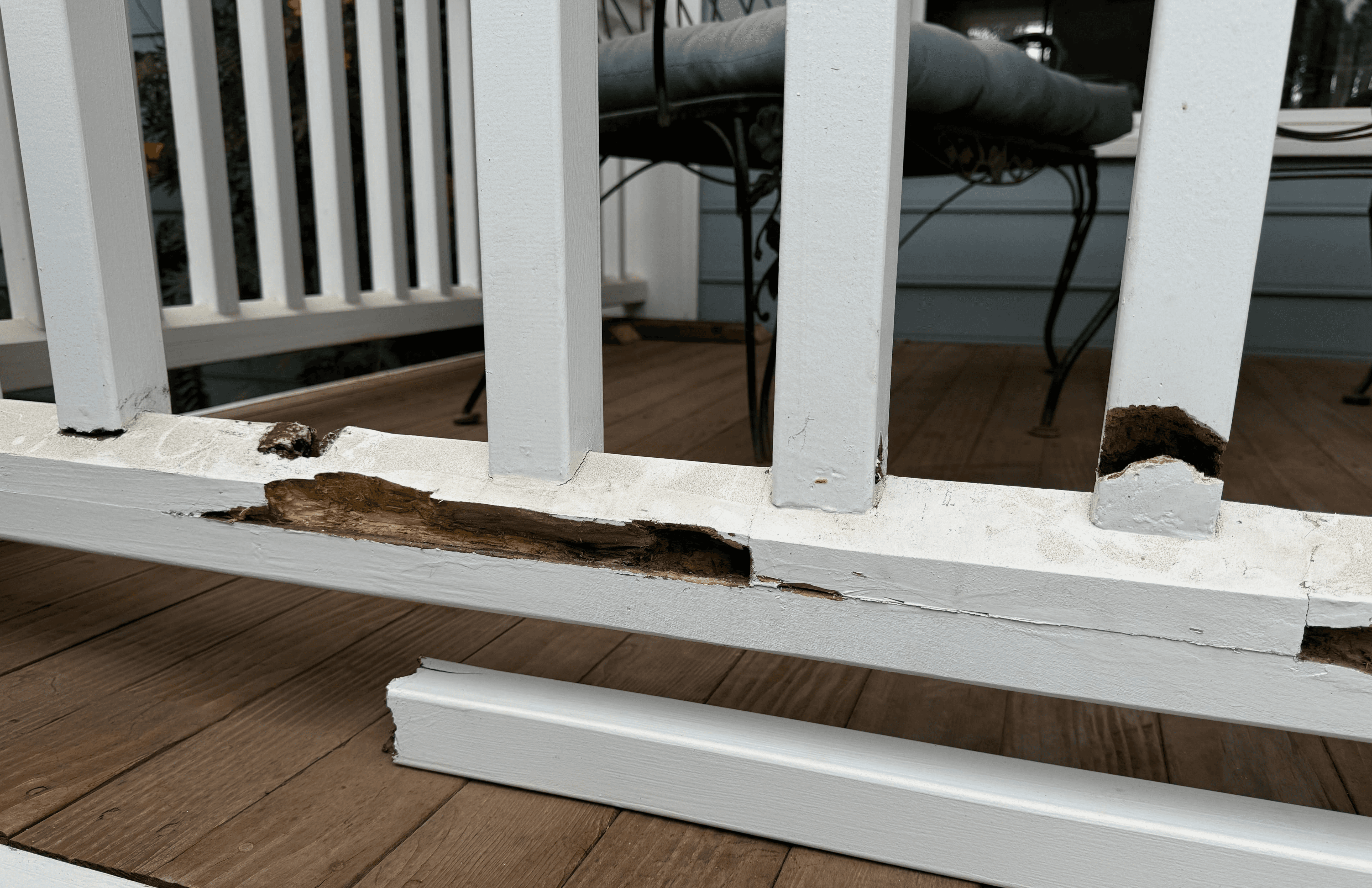
Deck posts and beams
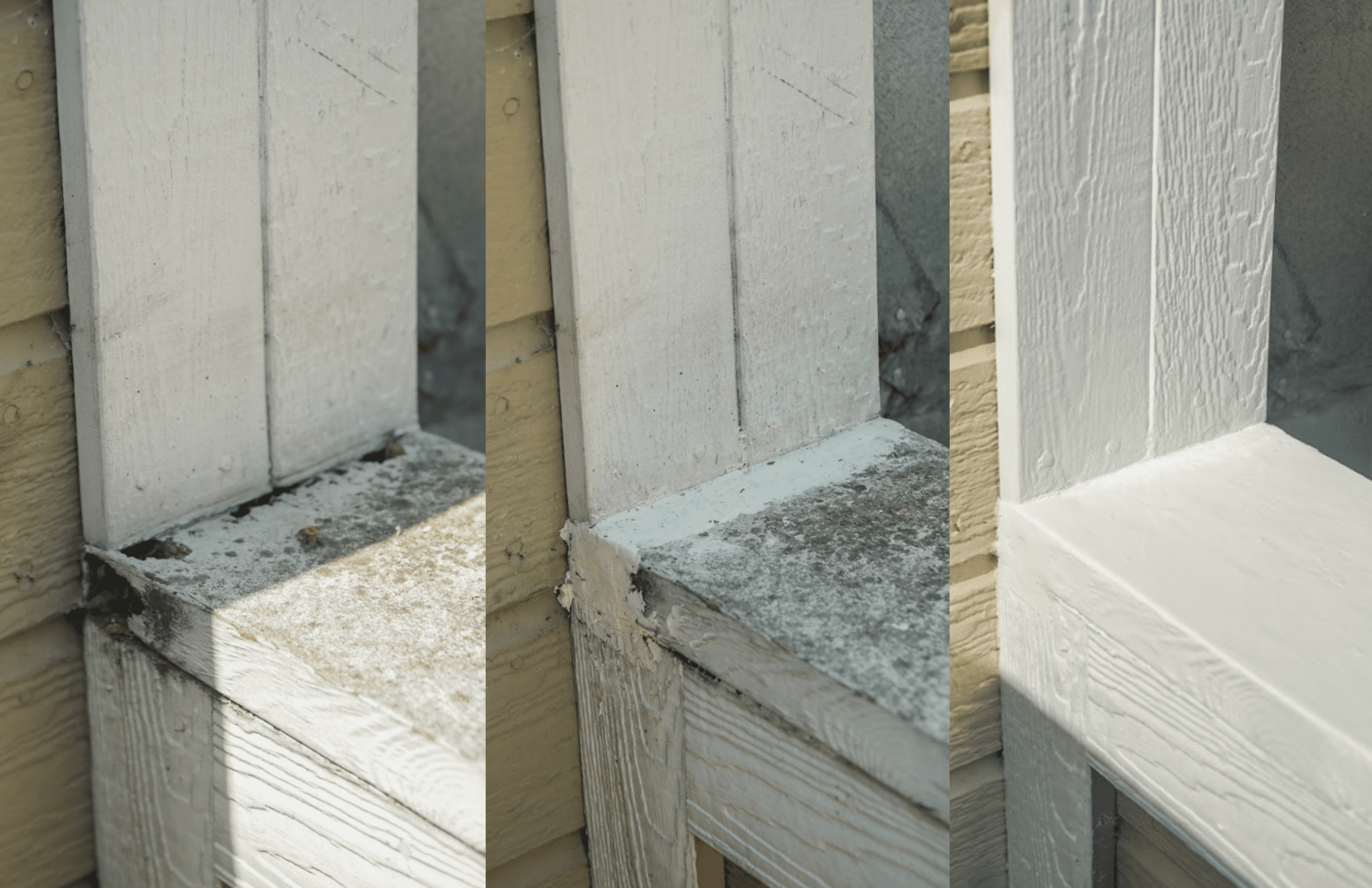
Window and door transitions
Stair stringers
On coastal homes, fog, salt air, and repeated wet-dry cycles create ideal conditions for dry rot to develop behind the surface.
What Is Wood Rot (Wet Rot)?
Wood rot—often referred to as wet rot—is also caused by moisture but behaves differently. Wet rot typically stays localized to areas that remain consistently damp and does not spread as aggressively as dry rot.
Wet rot is commonly found:
Near ground contact
Around leaking pipes or irrigation
In poorly ventilated crawlspaces
Where wood stays constantly wet
Unlike dry rot, wet rot usually causes wood to feel spongy and darkened and is easier to detect visually.
Key Differences Between Dry Rot and Wood Rot
While both forms of decay are moisture-related, there are important differences:
Spread: Dry rot can spread beyond the original moisture source, while wet rot usually stays localized.
Visibility: Dry rot often hides behind intact paint or trim; wet rot is usually obvious.
Structural impact: Dry rot weakens wood more aggressively and can compromise structural integrity.
Repair approach: Dry rot repairs require addressing moisture sources and surrounding materials, not just replacing visible damage.
Knowing which type of rot is present helps determine the right repair strategy.
Why the Difference Matters on the Central Coast
Central Coast homes face unique environmental challenges. Coastal fog and salt air accelerate paint and sealant failure, allowing moisture into wood assemblies that were never designed for long-term exposure. As a result, dry rot is far more common than many homeowners realize.
Misidentifying dry rot as simple surface damage can lead to incomplete repairs that allow decay to continue spreading. Conversely, assuming all rot is structural can result in unnecessary replacement. A proper inspection clarifies what’s actually happening.
When to Schedule a Professional Inspection
You should consider a professional inspection if you notice:
Peeling or bubbling paint
Soft or crumbly wood
Loose railings or trim
Cracks at fascia or trim joints
Persistent moisture near exterior wood
A professional assessment helps determine whether the issue is cosmetic, localized, or structural—and what steps make the most sense moving forward.
Final Thoughts
Dry rot and wood rot may look similar on the surface, but they behave very differently. For Central Coast homeowners, understanding the distinction is key to protecting your home and avoiding unnecessary repairs. Early inspection and accurate diagnosis can save time, money, and stress.
If you suspect rot of any kind, the safest next step is a professional inspection that explains what you’re dealing with and how to address it properly.
Join the newsletter
Be the first to read our articles.
More Articles