Rotted Fascia Boards on the Central Coast: Causes, Warning Signs, and Repair Options
Fascia boards are constantly exposed to moisture, roof runoff, and salt air, making them one of the most vulnerable exterior components on Central Coast homes. This article explains why fascia boards rot, the early signs homeowners often miss, how fascia rot can spread to other parts of the home, and the right way to approach repairs before damage becomes structural.
Jun 16, 2025
5 min read
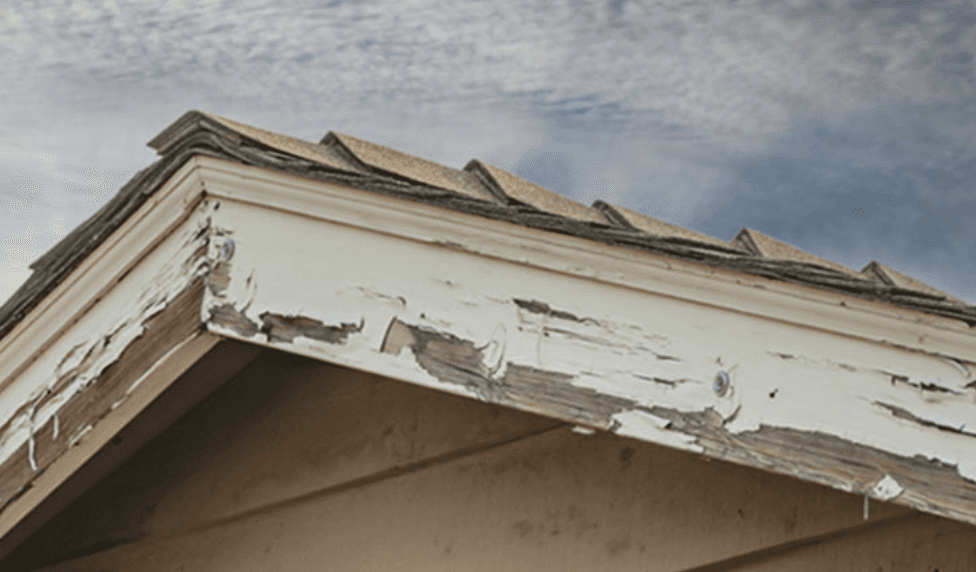
Rotted Fascia Boards on the Central Coast: What Homeowners Need to Know
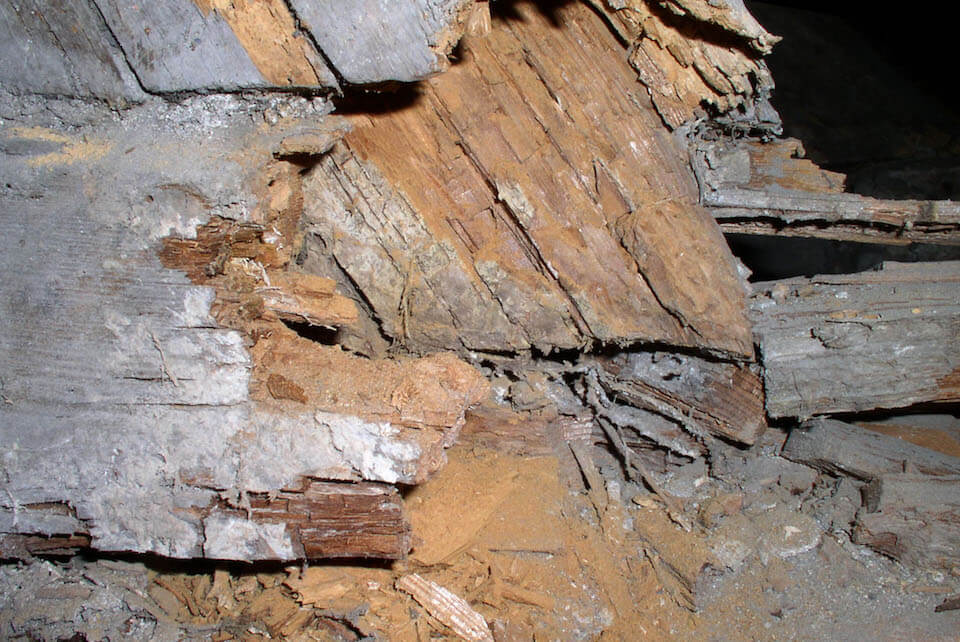
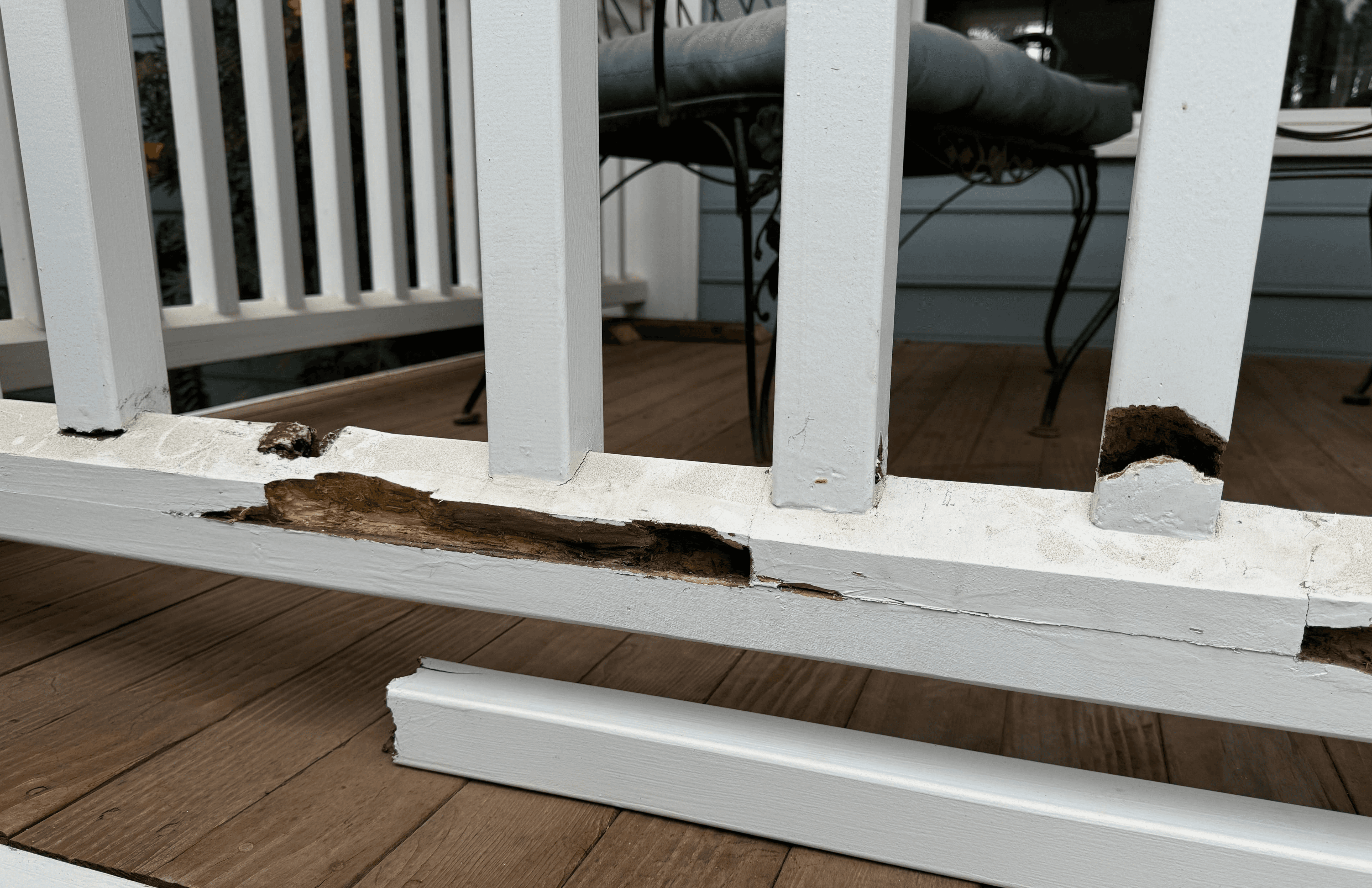
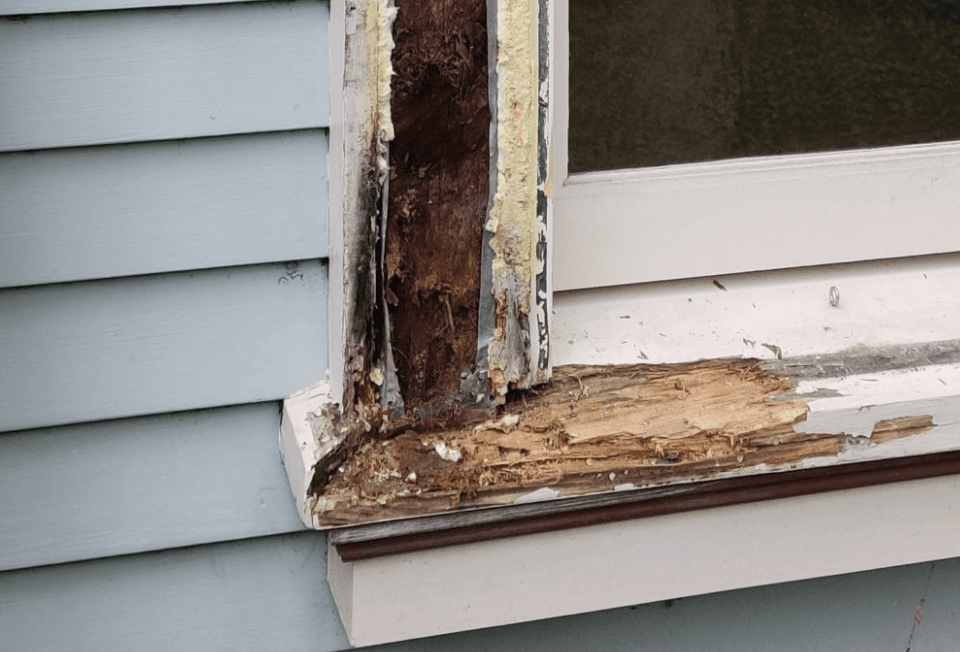
Fascia boards play a critical role in protecting your home’s roof edge and supporting gutter systems. On the Central Coast, fascia boards are also one of the most common places dry rot develops. Because fascia is exposed to constant moisture and often hides damage behind paint, rot can spread for years before it’s discovered.
Understanding why fascia boards rot—and how to spot early warning signs—can help homeowners avoid more extensive repairs.
What Causes Fascia Boards to Rot?
Fascia boards are positioned directly beneath the roofline, where they are exposed to water runoff every time it rains. Over time, moisture works its way into small cracks, failed sealant joints, and nail penetrations.
Common causes of fascia rot include:
Failed or clogged gutters that allow water to overflow onto fascia
Poor flashing at roof edges
Aging paint or coatings that no longer protect the wood
Salt air and coastal fog, which accelerate paint breakdown
Once moisture enters the fascia, it can remain trapped behind intact paint, allowing dry rot to spread unseen.
Early Warning Signs of Fascia Rot
Many homeowners assume fascia problems are purely cosmetic. In reality, visible signs often indicate deeper issues.
Watch for:
Peeling or bubbling paint along roof edges
Cracking or separation at fascia joints
Dark staining or discoloration
Gutters pulling away from the house
Soft or crumbly wood when gently probed
If these signs are present, there may already be damage behind the surface.
How Fascia Rot Spreads
One of the biggest risks with fascia rot is that it rarely stays isolated. Moisture entering the fascia can migrate laterally, spreading rot behind adjacent boards. In more advanced cases, rot can extend into:
Rafter tails
Roof sheathing edges
Soffits and exterior trim
As damage spreads, repairs become more complex and costly. Early inspection helps determine whether the issue is localized or part of a larger moisture problem.
Repairing Rotted Fascia Boards the Right Way
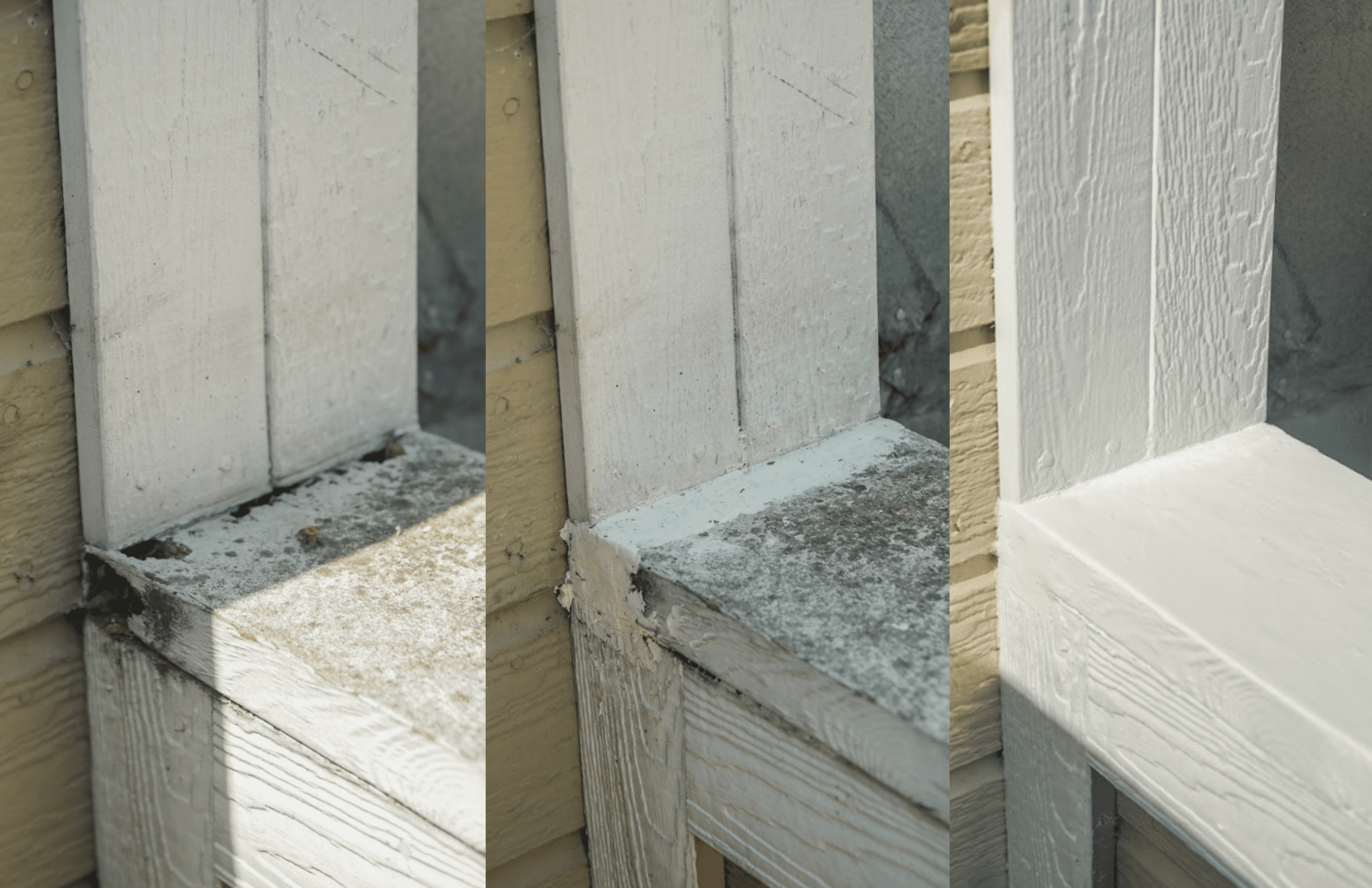
Proper fascia repair involves more than replacing damaged wood. The underlying cause of moisture intrusion must be addressed to prevent recurrence.
Effective fascia repair typically includes:
Removing compromised fascia boards
Identifying and correcting moisture sources
Installing properly detailed replacement materials
Sealing and protecting the new fascia for coastal conditions
When done correctly, fascia repairs restore both appearance and long-term protection at the roof edge.
When to Schedule a Professional Inspection
If you notice peeling paint, soft wood, or gutter movement along your roofline, it’s time for a professional inspection. An inspection helps determine:
Whether damage is cosmetic or structural
How far the rot has spread
The most appropriate repair approach
Early intervention often means smaller, more targeted repairs.
Final Thoughts
Rotted fascia boards are one of the most common dry rot issues on Central Coast homes—but they don’t have to turn into major structural problems. With early detection and proper repairs, homeowners can protect their roof system and avoid unnecessary costs.
If you’re concerned about fascia rot, a professional inspection is the best next step.
Join the newsletter
Be the first to read our articles.
More Articles