What Every Central Coast Homeowner Needs to Know About Dry Rot
Dry rot is a hidden yet destructive fungal decay that weakens structural wood when moisture is present. On the Central Coast, fog, salt air, and poorly detailed trim or roofing create ideal conditions for dry rot to develop behind the surface. In this article, we break down what causes dry rot, how to spot the early warning signs, how professionals diagnose and repair the damage, and proactive steps homeowners can take to protect their home. Early detection and action can save thousands in future repairs.
May 5, 2025
3 min read
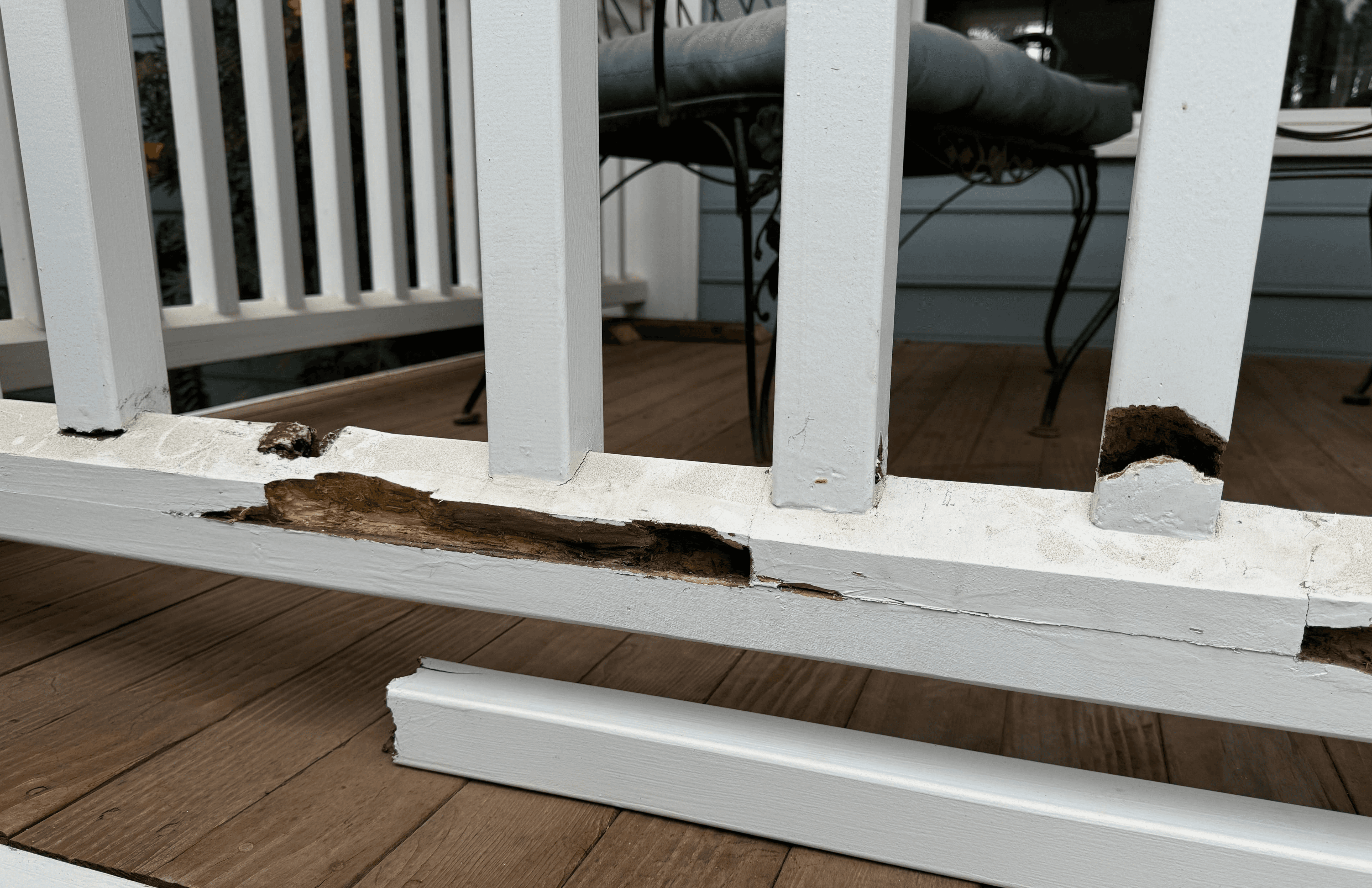
What Causes Dry Rot in Coastal Homes?
Unlike mold or surface rot, dry rot isn’t just a cosmetic issue. It’s a fungal process that occurs when wood’s moisture content exceeds about 20% and remains elevated long enough for spores to germinate and grow.* Several common factors contribute:
Frequent moisture exposure: Coastal fog and salt-laden air accelerate paint and sealant failure, letting water into wood joints.*
Poor drainage or detailing: Failed or missing flashing, improperly installed gutters, or poorly sealed trim allow water inside structural gaps.*
Limited ventilation: Tight or poorly ventilated areas trap humidity, creating ideal conditions for fungal growth.*
Material vulnerability: Untreated or older wood that lacks protective coatings is much more susceptible.
Early Signs of Dry Rot Every Homeowner Should Know
Because dry rot begins behind finishes and hidden surfaces, it can spread quietly for months or years. Catching it early is crucial.
Visual clues
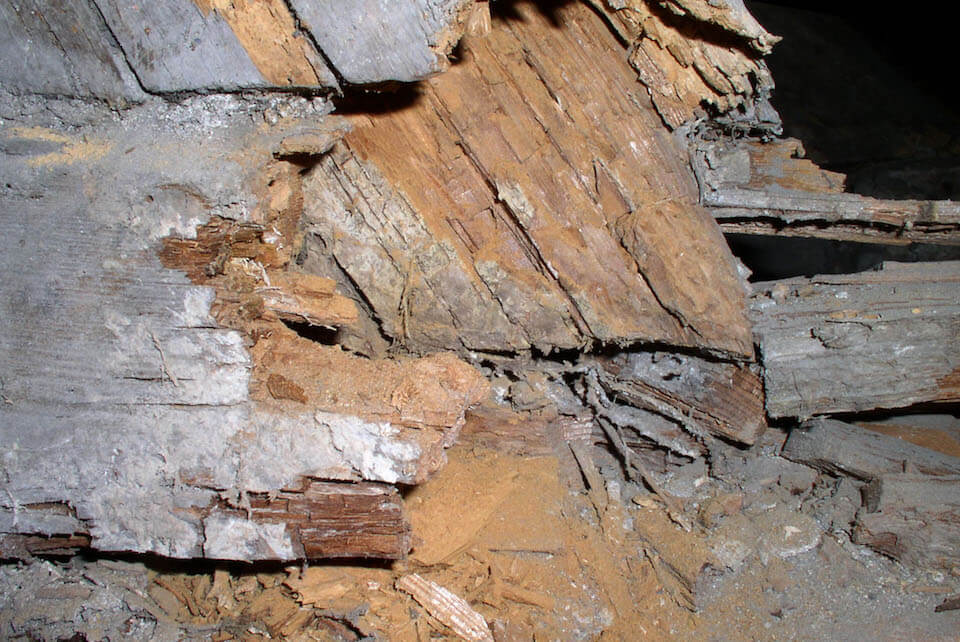
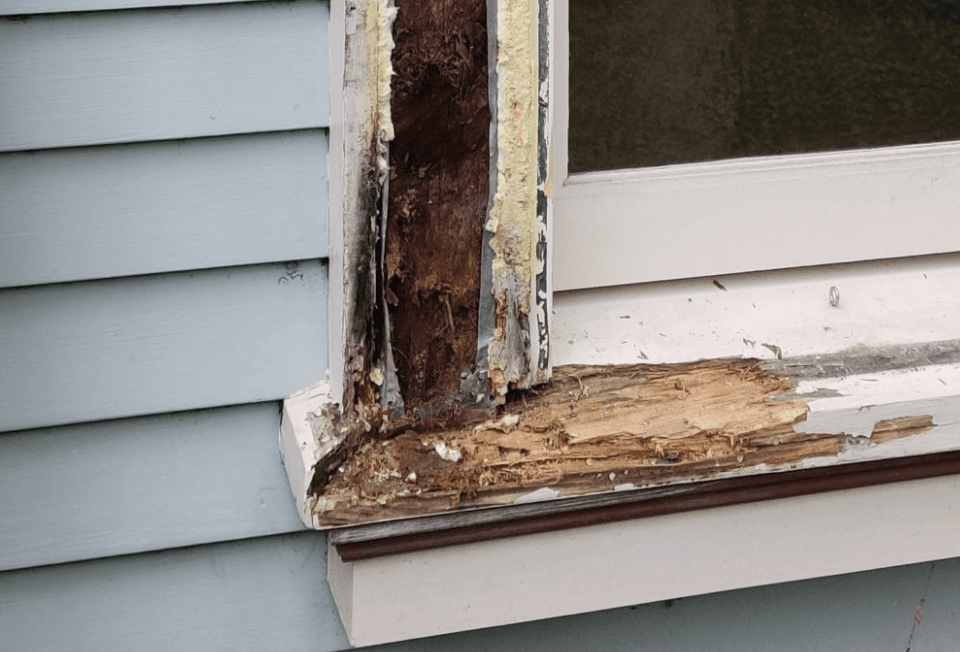
Wood that is darkened, cracked in cube-like patterns, or brittle and crumbly to the touch.*
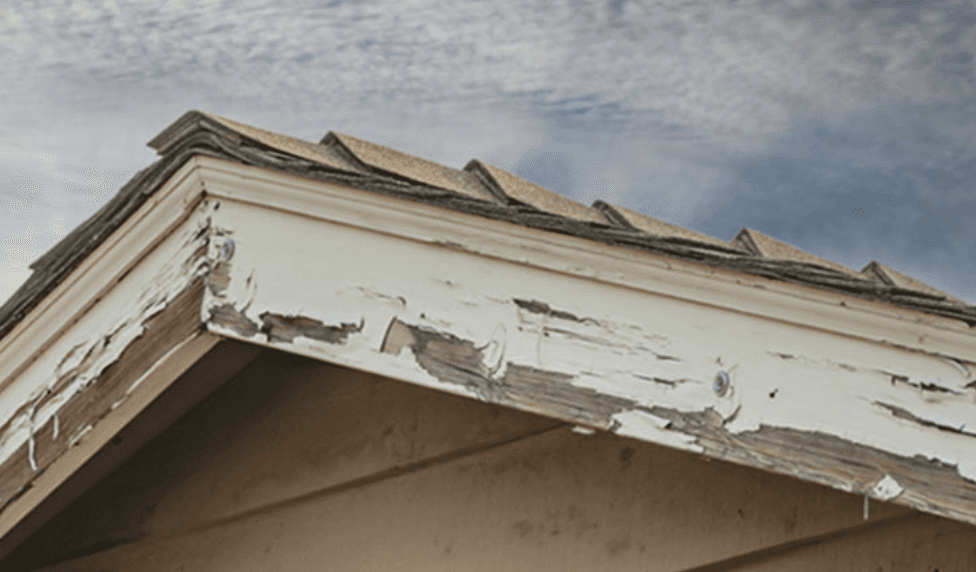
Discoloration, warping, or voids behind paint or trim.*
White, cotton-like mycelium or even small mushroom-like growths on or near wood surfaces.
Sensory clues
Musty, damp, earthy smells near exterior walls, soffits, or crawlspaces.*
“Soft spots” when probing wood with a screwdriver or probe.
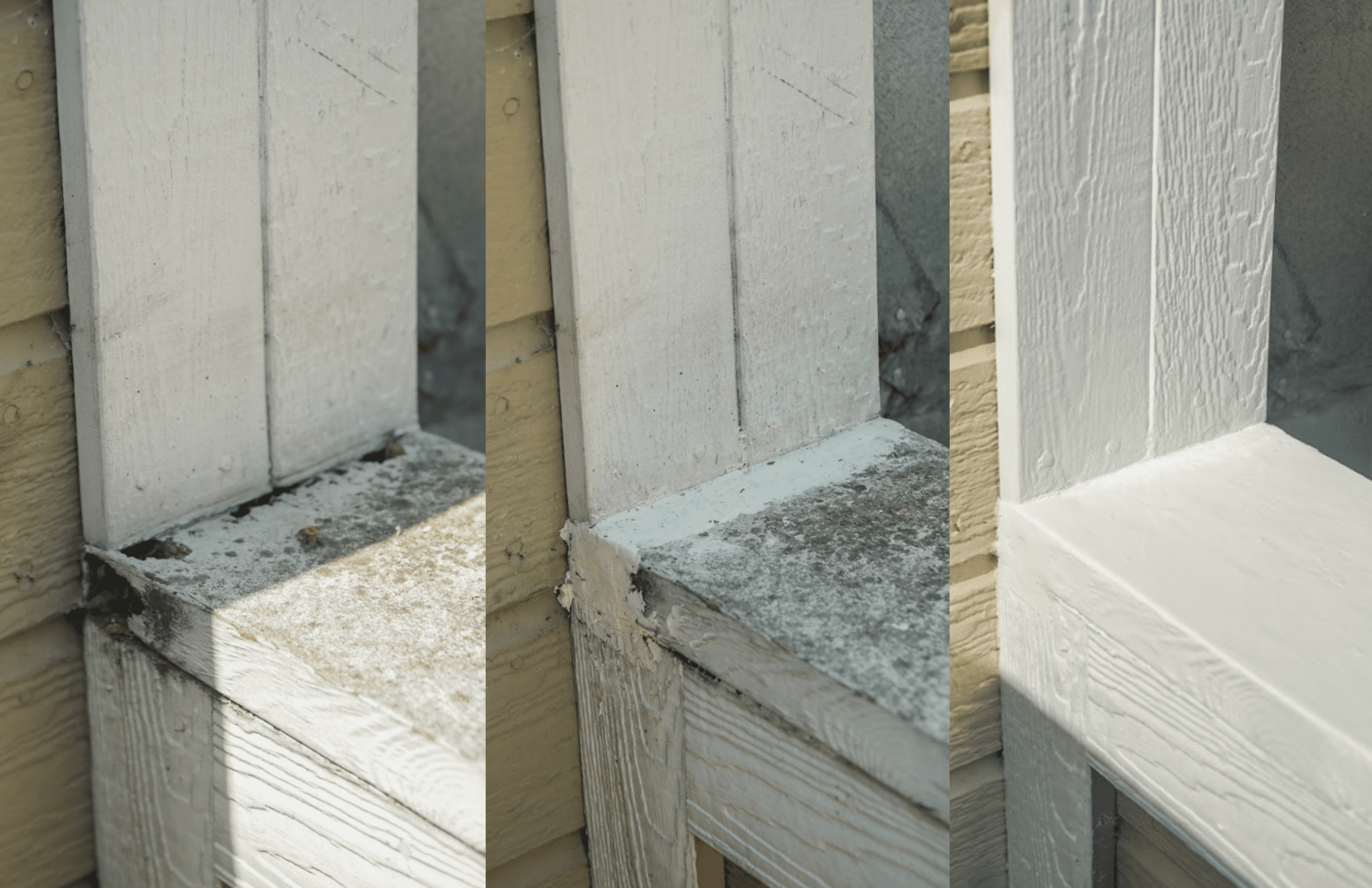
Dry rot often hides in common problem areas such as fascia boards, deck posts, window and door transitions, and stair stringers.
Why Early Detection Matters
If left untreated, dry rot won’t stay local. Once established, fungal hyphae (the thread-like growth of the fungus) can penetrate deep into wood and even spread through masonry or plaster.* This makes repairs more extensive and more expensive as time goes on.*
Professional inspection not only identifies visible decay but also helps uncover hidden damage that isn’t obvious without moisture meters and hands-on assessment. Early professional intervention often means targeted repairs rather than full structural replacement.
How Professionals Diagnose and Repair Dry Rot
A thorough professional diagnosis includes:
Visual and hands-on inspection to identify affected areas.
Moisture testing to determine where moisture intrusion is ongoing.
Assessment of structural impact to decide if repair or replacement is needed.
Effective repair always starts with stopping the moisture source. Without this, dry rot can return even after damaged wood is removed.* After addressing moisture:
All rotted wood is carefully removed.
Remaining area is treated with fungicidal solutions.
Replacement materials are installed with proper detailing and moisture control.
Surfaces are sealed and protected to resist future intrusion.
Dry Rot Prevention for Central Coast Homes
To minimize risk:
Keep gutters and downspouts clear and directed away from wood surfaces.*
Seal and maintain flashing at roof edges, windows, doors, and trim.*
Ensure good ventilation around crawlspaces, attics, and deck assemblies.*
Inspect vulnerable wood annually for signs of moisture or decay.
Final Takeaway
Dry rot is a silent but serious threat to wooden elements of your home, particularly in coastal climates like the Central Coast. Understanding the causes, spotting early signs, and acting quickly with professional help can protect your home’s value, appearance, and structural safety.
If you’re concerned about dry rot or have seen potential signs, contact a professional dry rot inspection today—it could save you thousands in avoidable repair costs.
Join the newsletter
Be the first to read our articles.
More Articles