Dry Rot and Home Sales on the Central Coast: What Buyers and Sellers Need to Know
Dry rot is a common finding during home inspections, especially for coastal properties. For buyers and sellers on the Central Coast, understanding how dry rot impacts escrow timelines, negotiations, and repair responsibilities can prevent delays and surprises. This article explains how dry rot is identified during inspections, why it matters in real estate transactions, and how proactive inspections can simplify the sale process.
Jun 16, 2025
5 min read
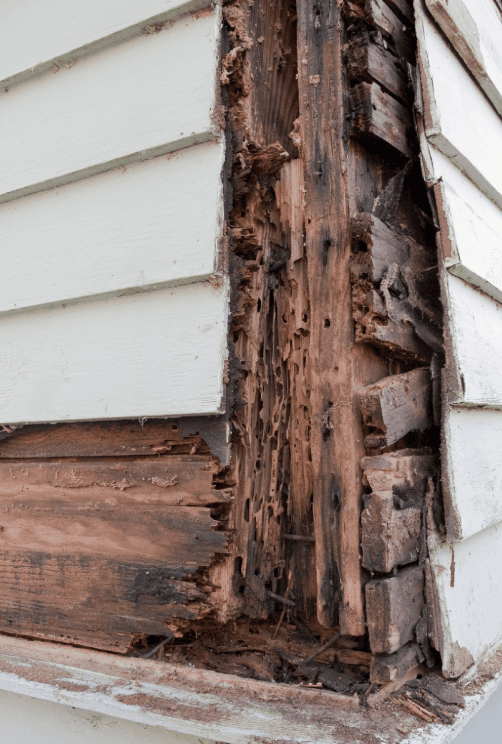
Dry Rot and Home Sales on the Central Coast
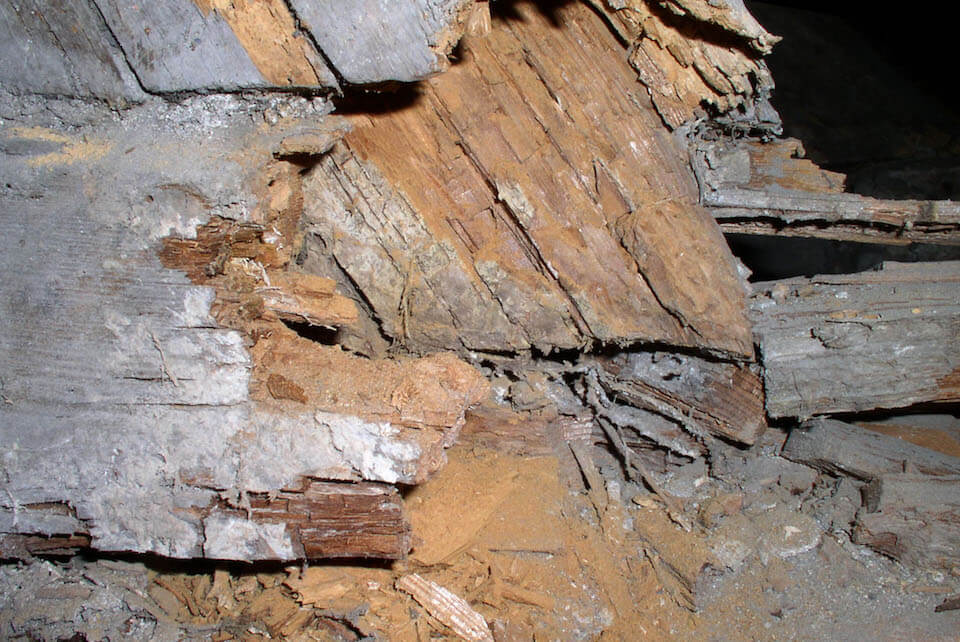
Dry rot is one of the most common exterior issues identified during home inspections on the Central Coast. Because coastal conditions accelerate wood decay, even well-maintained homes can show signs of dry rot when evaluated closely during escrow.
For both buyers and sellers, understanding how dry rot affects a real estate transaction can help prevent delays, renegotiations, and unexpected repair costs.
Why Dry Rot Comes Up During Home Inspections
Home inspectors are trained to look for signs of moisture intrusion and wood deterioration, particularly in exterior components. On the Central Coast, inspectors frequently flag areas such as:
Fascia boards and roof edges
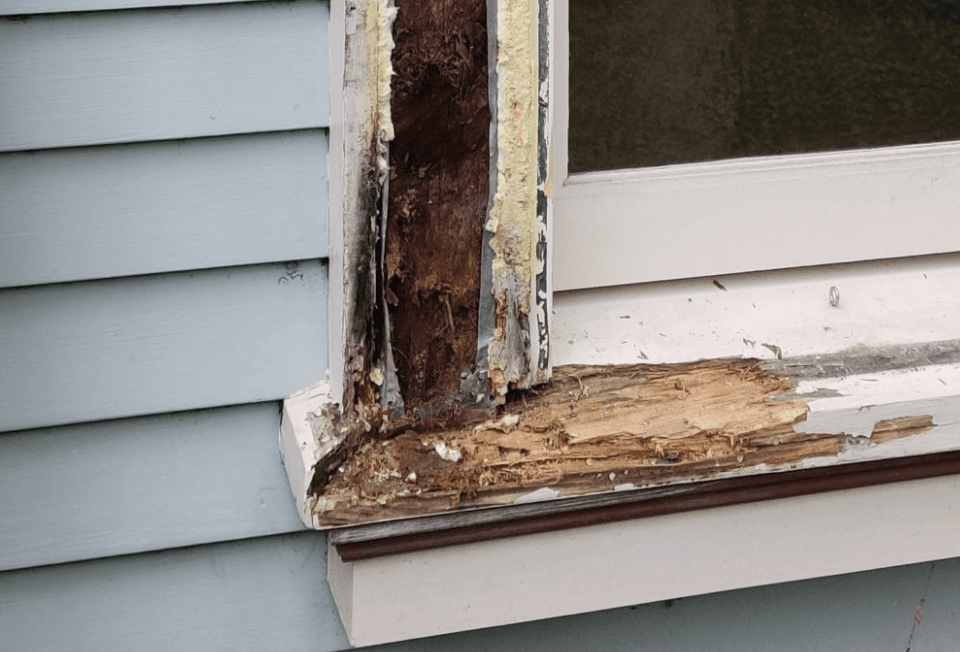
Exterior trim and trim corners
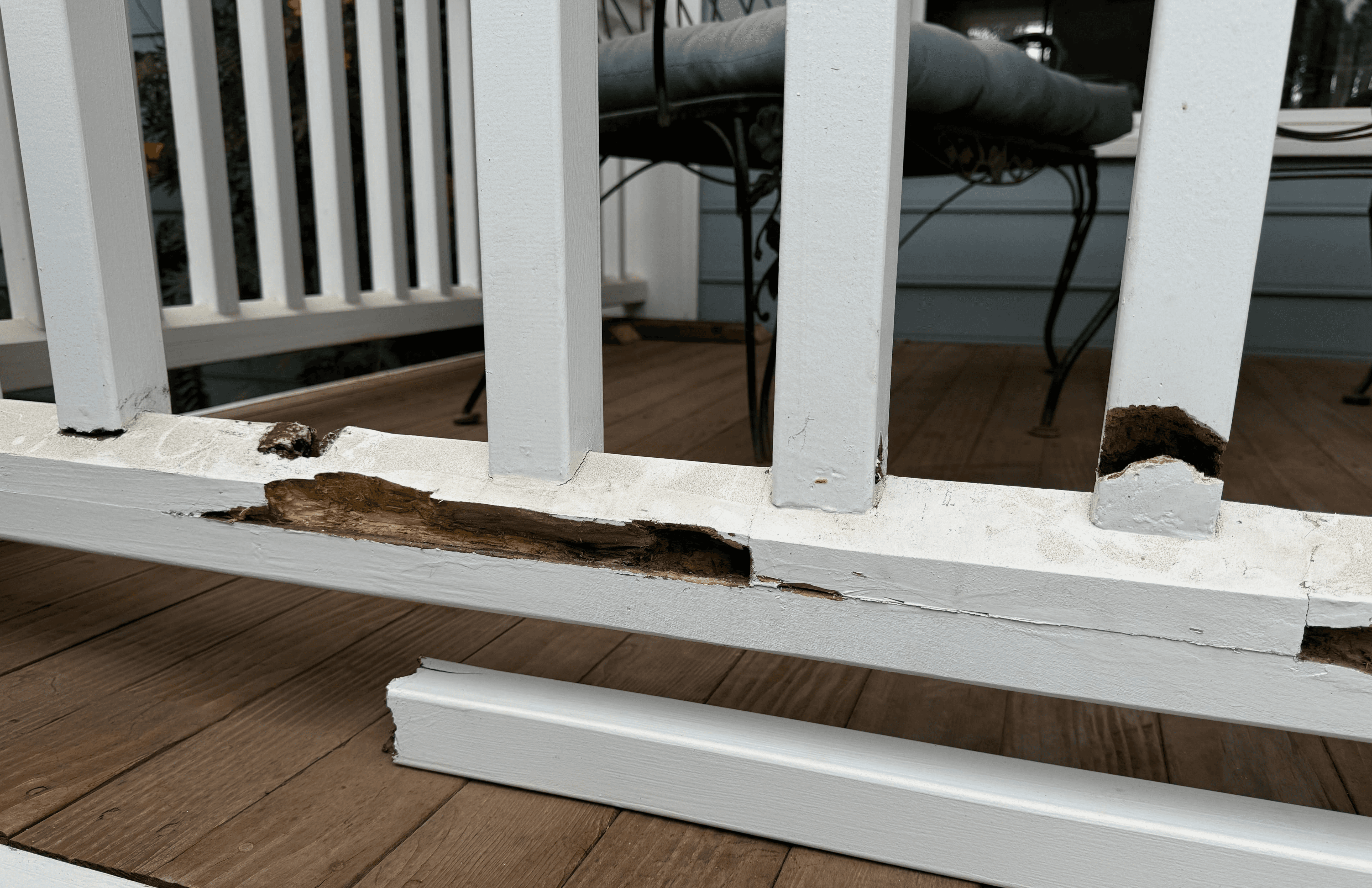
Deck posts, railings, and stairs
Door and window sills
Because dry rot often develops behind paint or trim, inspectors may identify “suspected dry rot” even when damage is not fully visible. This commonly triggers further evaluation or repair requests during escrow.
How Dry Rot Can Affect Escrow Timelines
When dry rot is identified during an inspection, it can impact escrow in several ways:
Requests for additional inspections or contractor evaluations
Repair negotiations between buyer and seller
Delays while scope and costs are determined
Credits or price adjustments
Without clear information, even minor dry rot findings can create uncertainty and slow the transaction.
Seller Considerations: Addressing Dry Rot Proactively
For sellers, dry rot discovered late in escrow can complicate negotiations. In many cases, proactive inspection before listing can help sellers:
Identify issues early
Understand whether damage is cosmetic or structural
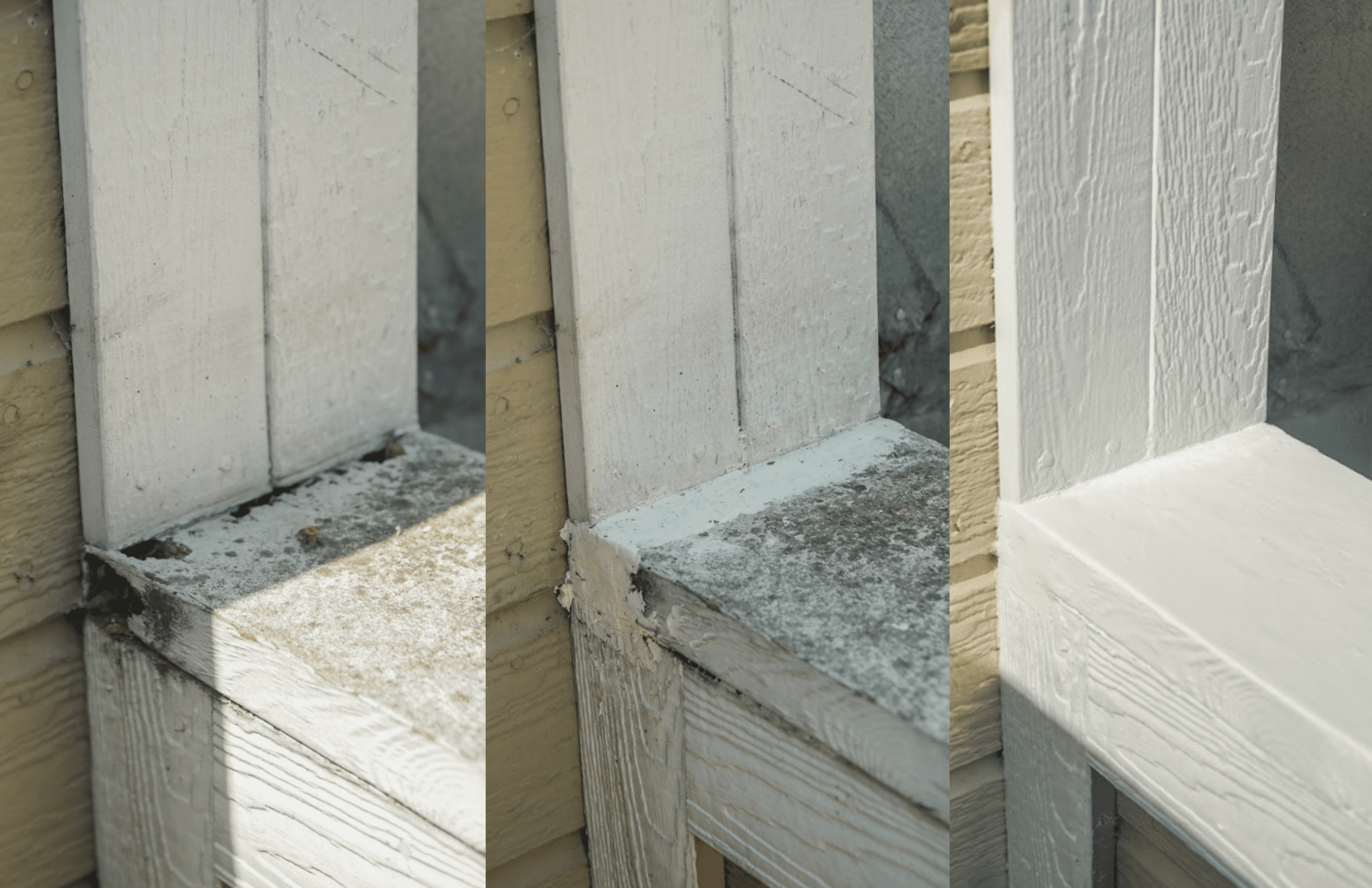
Complete repairs on their own timeline
Avoid last-minute concessions
Addressing dry rot upfront often leads to smoother transactions and fewer surprises.
Buyer Considerations: Understanding the Scope of Repairs
For buyers, the presence of dry rot doesn’t necessarily mean a deal-breaker. The key is understanding the extent of damage and the quality of proposed repairs.
A professional evaluation helps buyers determine:
Whether damage is localized or widespread
If structural components are affected
Whether repairs address moisture sources
The long-term implications for maintenance
This clarity supports informed decision-making during negotiations.
Why Professional Evaluation Matters
General home inspections often identify symptoms of dry rot but do not determine full scope or repair strategy. A professional dry rot inspection provides:
Hands-on assessment of affected areas
Photo documentation
Clear explanation of findings
Practical repair recommendations
This information helps all parties move forward with confidence.
Final Thoughts
Dry rot is a common part of real estate transactions on the Central Coast, but it doesn’t have to derail a sale. With early inspection, clear communication, and proper repair planning, buyers and sellers can navigate dry rot findings efficiently and avoid unnecessary stress.
If dry rot is suspected during a home sale—or before listing—a professional inspection can provide clarity and help keep the process on track.
Join the newsletter
Be the first to read our articles.
More Articles