How Much Does Dry Rot Repair Cost on the Central Coast?
One of the first questions homeowners ask after discovering dry rot is, “How much will this cost to fix?” On the Central Coast, dry rot repair costs vary based on the extent of damage, affected components, and underlying moisture issues. This article breaks down common cost ranges, what drives repair pricing, and why early inspection can significantly reduce overall expense.
May 5, 2025
4 min read
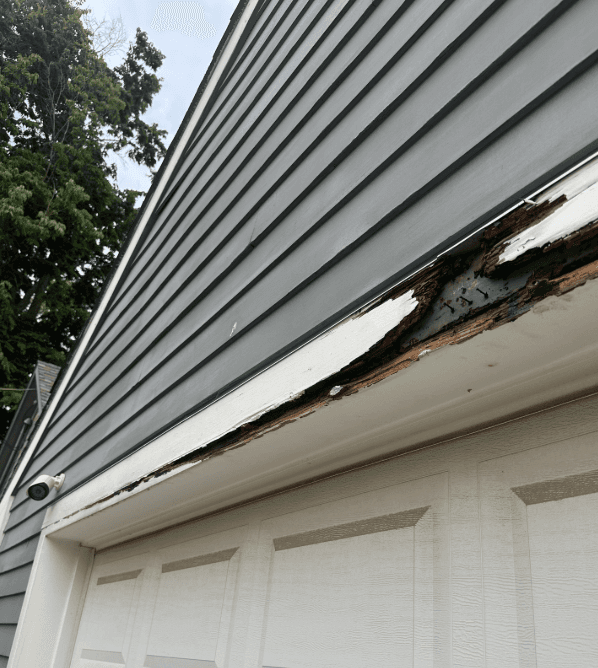
How Much Does Dry Rot Repair Cost on the Central Coast?
Dry rot is one of those home issues that can range from a small, manageable repair to a more complex structural project. For Central Coast homeowners, understanding what drives dry rot repair costs helps set realistic expectations and avoid surprises.
The short answer: dry rot repair costs depend on how far the damage has spread and what caused it in the first place.
What Factors Affect Dry Rot Repair Costs?
Several variables influence the total cost of repairing dry rot:
1. Extent of Damage
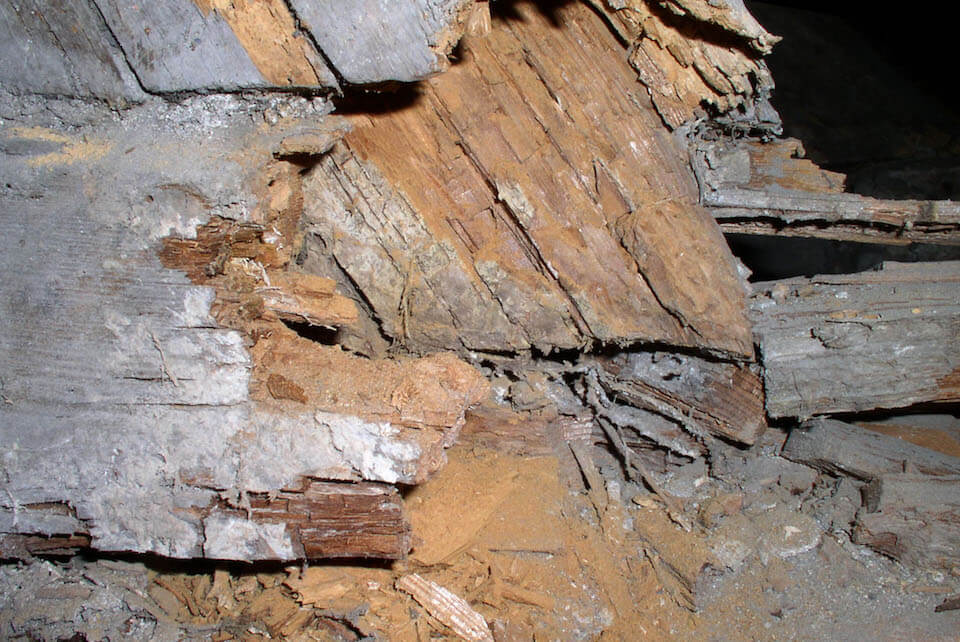
Localized rot in a single fascia board or trim section is far less expensive than rot that has spread into framing, posts, or beams. The more material that needs to be removed and rebuilt, the higher the cost.
2. Location of the Rot
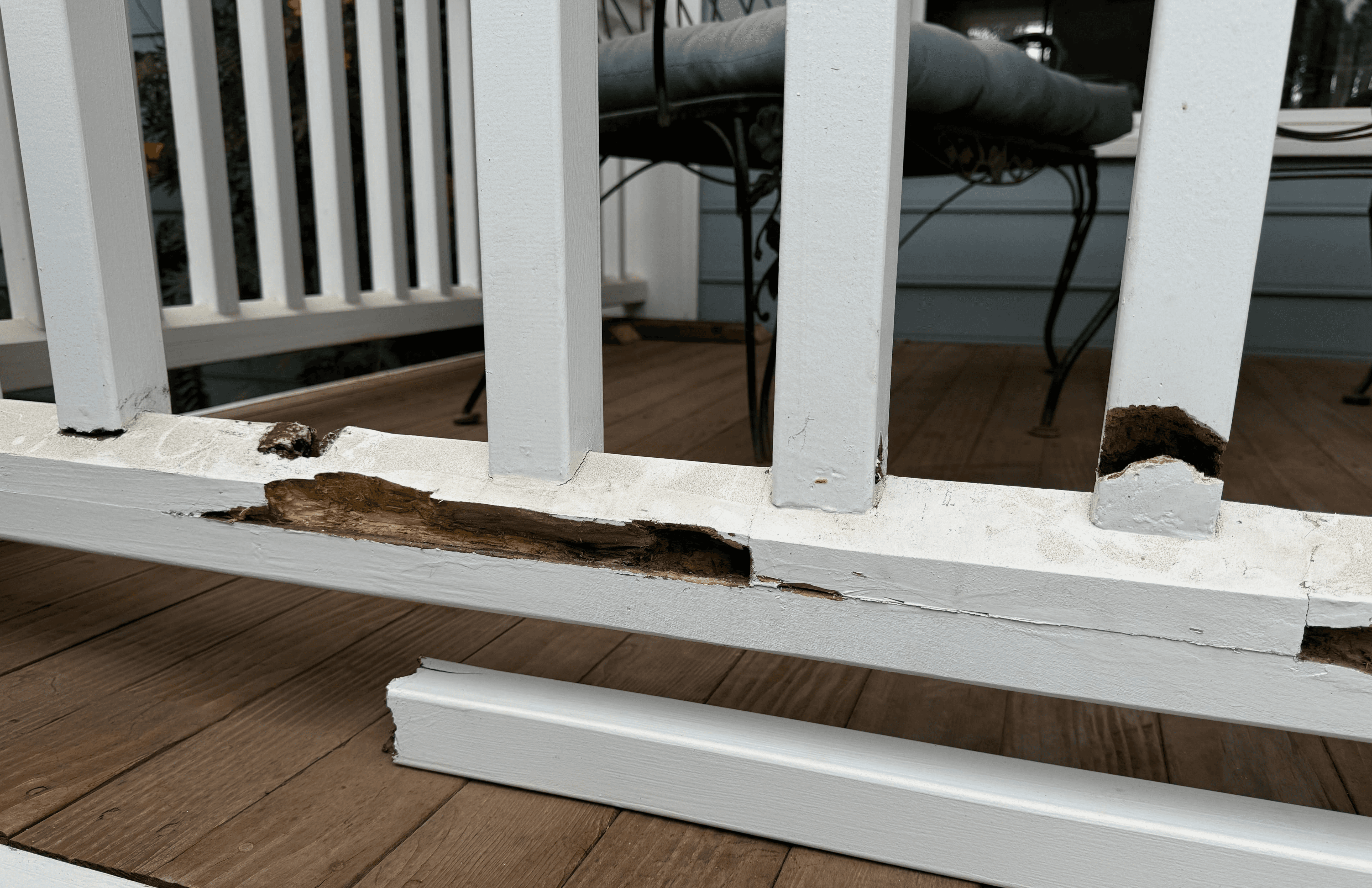
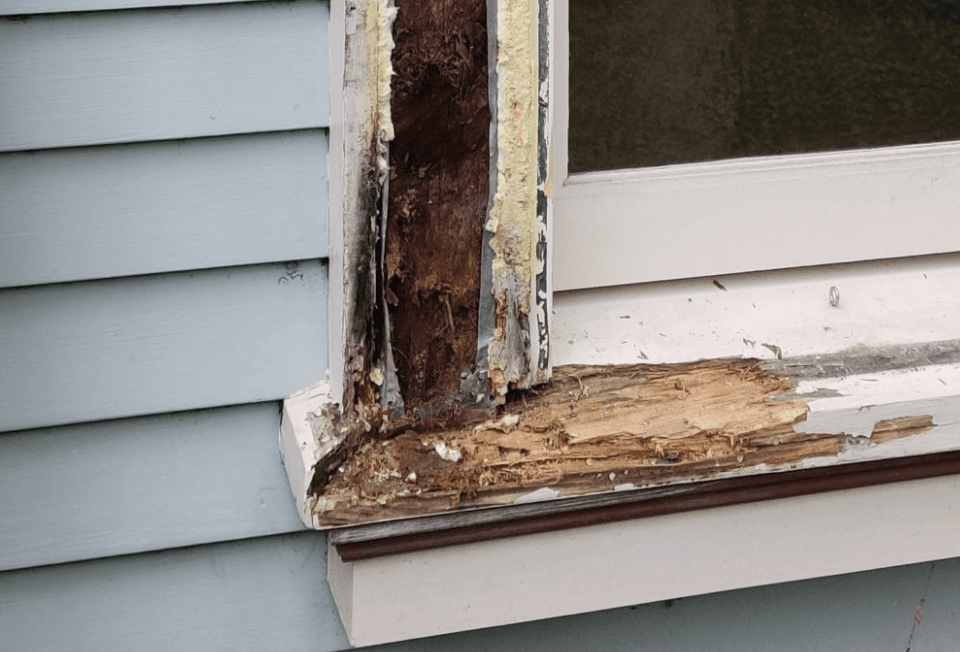
Some areas are easier to access and repair than others. Fascia and trim repairs are typically simpler than deck posts, stair stringers, or window transitions that may involve structural or safety considerations.
3. Moisture Source
If the underlying moisture issue—such as failed flashing, poor drainage, or gutter overflow—is not addressed, repairs may need to be more extensive to prevent recurrence.
4. Labor & Detailing
Proper dry rot repair requires careful removal, correct detailing, and protection against future moisture. Coastal conditions demand higher-quality preparation and finishing, which affects pricing.
Typical Dry Rot Repair Cost Ranges
While every project is different, homeowners on the Central Coast can generally expect:
Minor repairs:
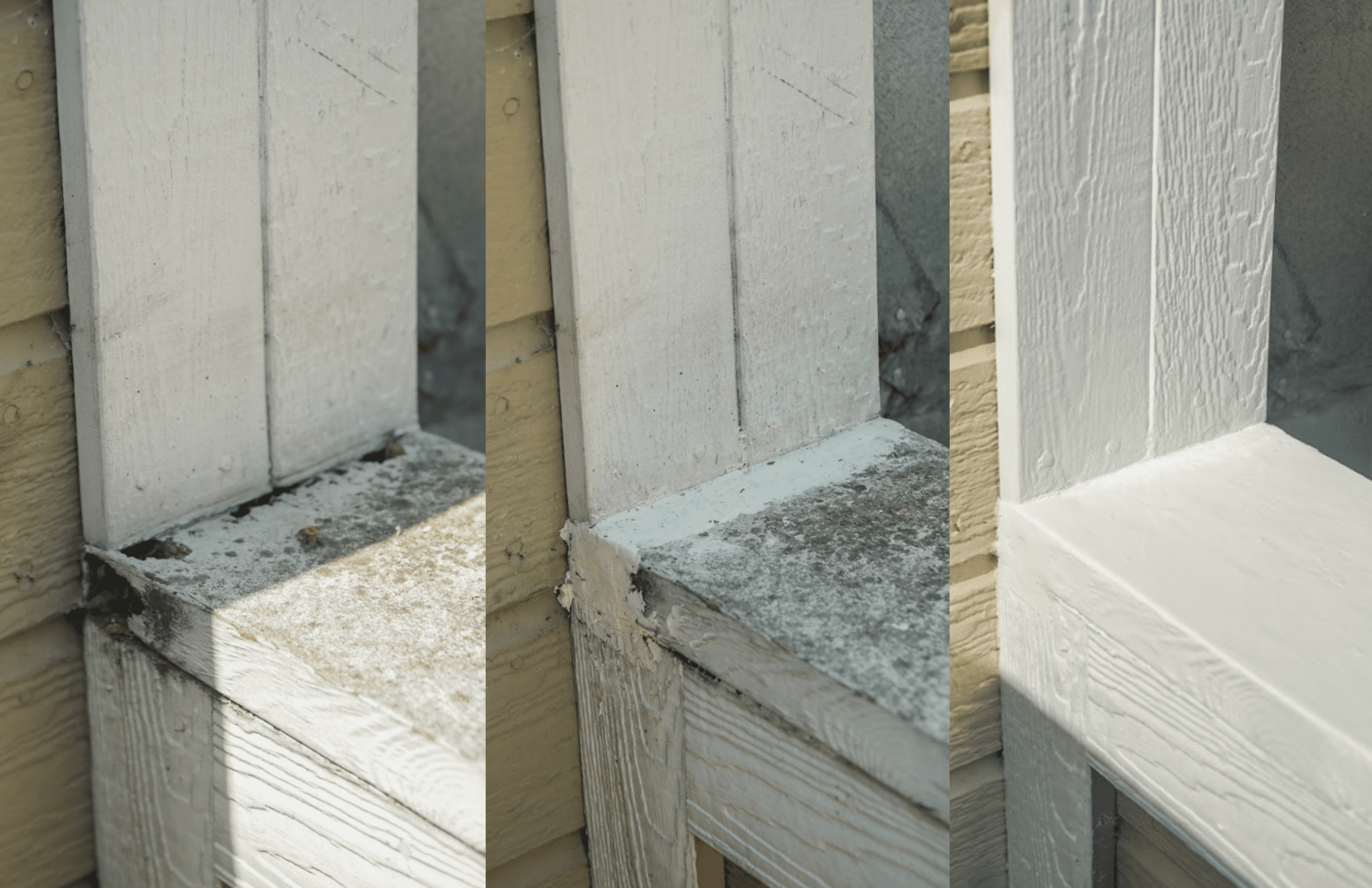
Small fascia or trim repairs caught early may range from a few hundred to a couple thousand dollars.Moderate repairs:
Deck posts, railings, or multiple trim sections often fall in the mid-range when rot is localized but requires structural attention.Major repairs:
Advanced rot involving beams, stringers, or framing can be more costly, especially if multiple systems are affected.
An inspection helps determine where a project falls within this spectrum.
Why Early Detection Saves Money
Dry rot rarely improves on its own. The longer moisture remains present, the further decay spreads. What starts as a small repair can grow into a larger project if left unaddressed.
Early inspections often allow for:
Targeted repairs instead of full replacement
Preservation of surrounding materials
Reduced labor and material costs
In many cases, catching dry rot early can save thousands in future repairs.
Why Estimates Can Vary Between Contractors
Homeowners are often surprised when dry rot repair estimates vary significantly. This usually comes down to differences in:
Scope of inspection
Repair approach (surface repair vs. full correction)
Experience with coastal conditions
The lowest estimate may not address the root cause of the problem, while a more thorough scope may provide longer-term protection.
Final Thoughts
Dry rot repair costs on the Central Coast depend on severity, location, and moisture exposure—but one factor remains consistent: early inspection reduces risk and cost.
If you suspect dry rot, the most cost-effective first step is a professional inspection that explains what’s happening and outlines clear repair options.
Join the newsletter
Be the first to read our articles.
More Articles