Why Dry Rot Is So Common in Central Coast Homes (And What Homeowners Can Do)
Dry rot is far more common in coastal regions than many homeowners realize. On the Central Coast, environmental conditions combined with aging construction details create ideal conditions for wood decay. This article explains why dry rot is so prevalent in coastal homes, which areas are most at risk, and what proactive steps homeowners can take to reduce long-term damage.
Jun 16, 2025
8 min read
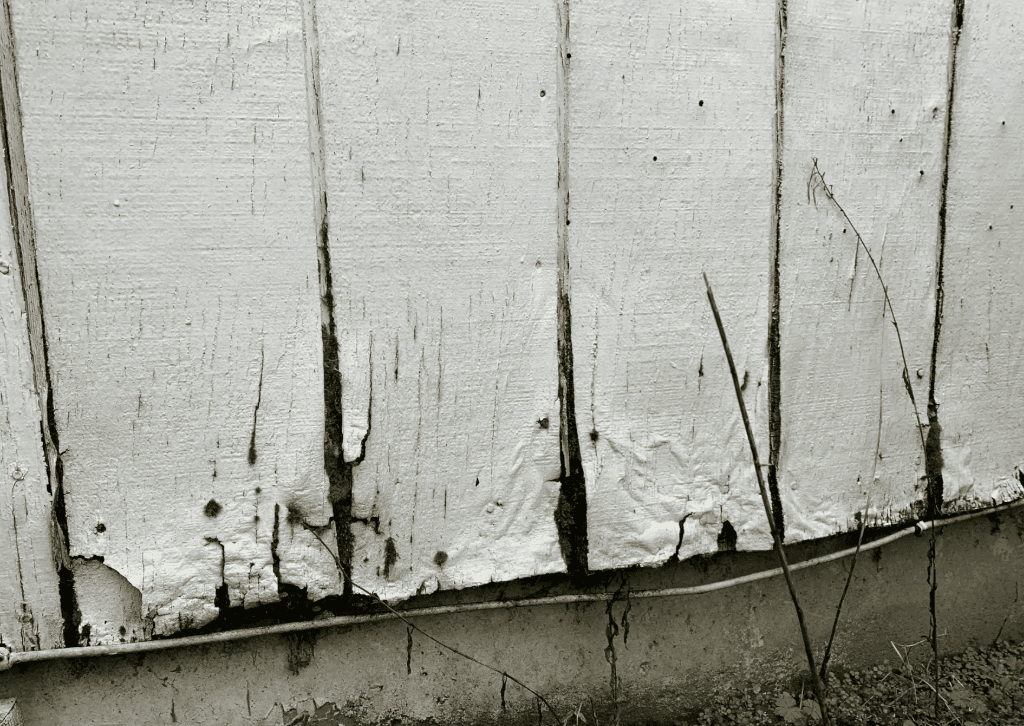
Why Dry Rot Is So Common in Central Coast Homes
Dry rot is one of the most frequent exterior issues found on homes along the Central Coast. Many homeowners are surprised to learn how widespread it is—and how often it develops without obvious warning signs. The combination of coastal climate conditions and construction details makes wood components particularly vulnerable to long-term moisture exposure.
Understanding why dry rot is so common helps homeowners recognize risks early and take proactive steps to protect their homes.
The Role of Coastal Climate
The Central Coast experiences a unique blend of environmental conditions that accelerate wood deterioration. Morning fog, marine layers, and higher humidity levels keep exterior surfaces damp longer than inland areas. Even when it doesn’t rain, moisture can linger on wood surfaces for hours.
Salt air compounds the problem by breaking down paint and sealants faster than normal. Once protective coatings fail, wood is exposed to moisture more frequently, increasing the likelihood of decay.
Repeated wet-dry cycles—where wood absorbs moisture and then dries—stress materials over time and create openings for water intrusion.
Where Dry Rot Typically Develops First
Dry rot tends to appear in predictable locations where moisture is most likely to enter or become trapped.
Common problem areas include:
Fascia boards at roof edges
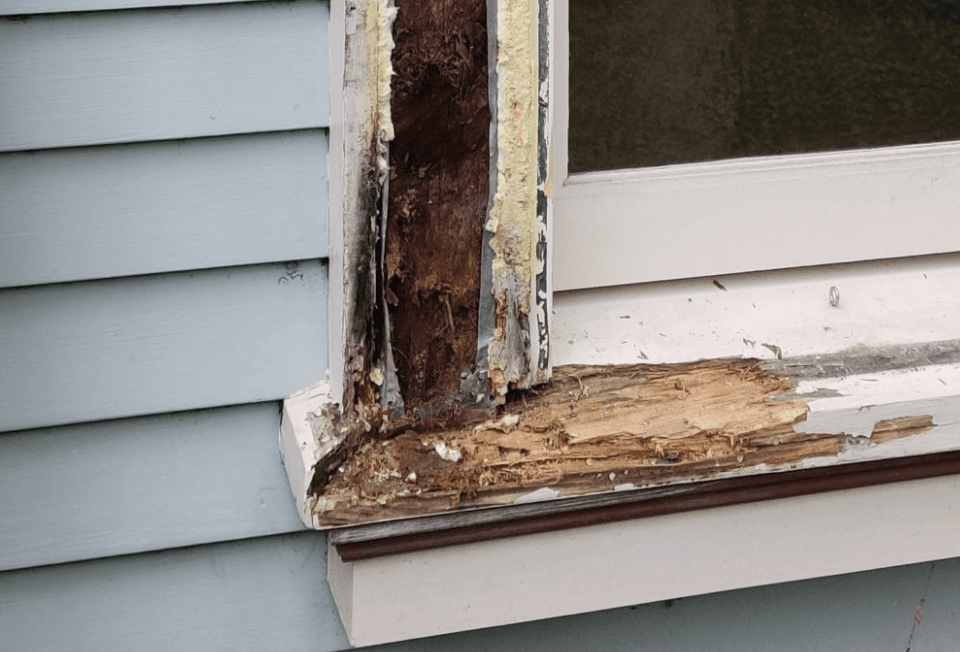
Exterior trim corners and joints
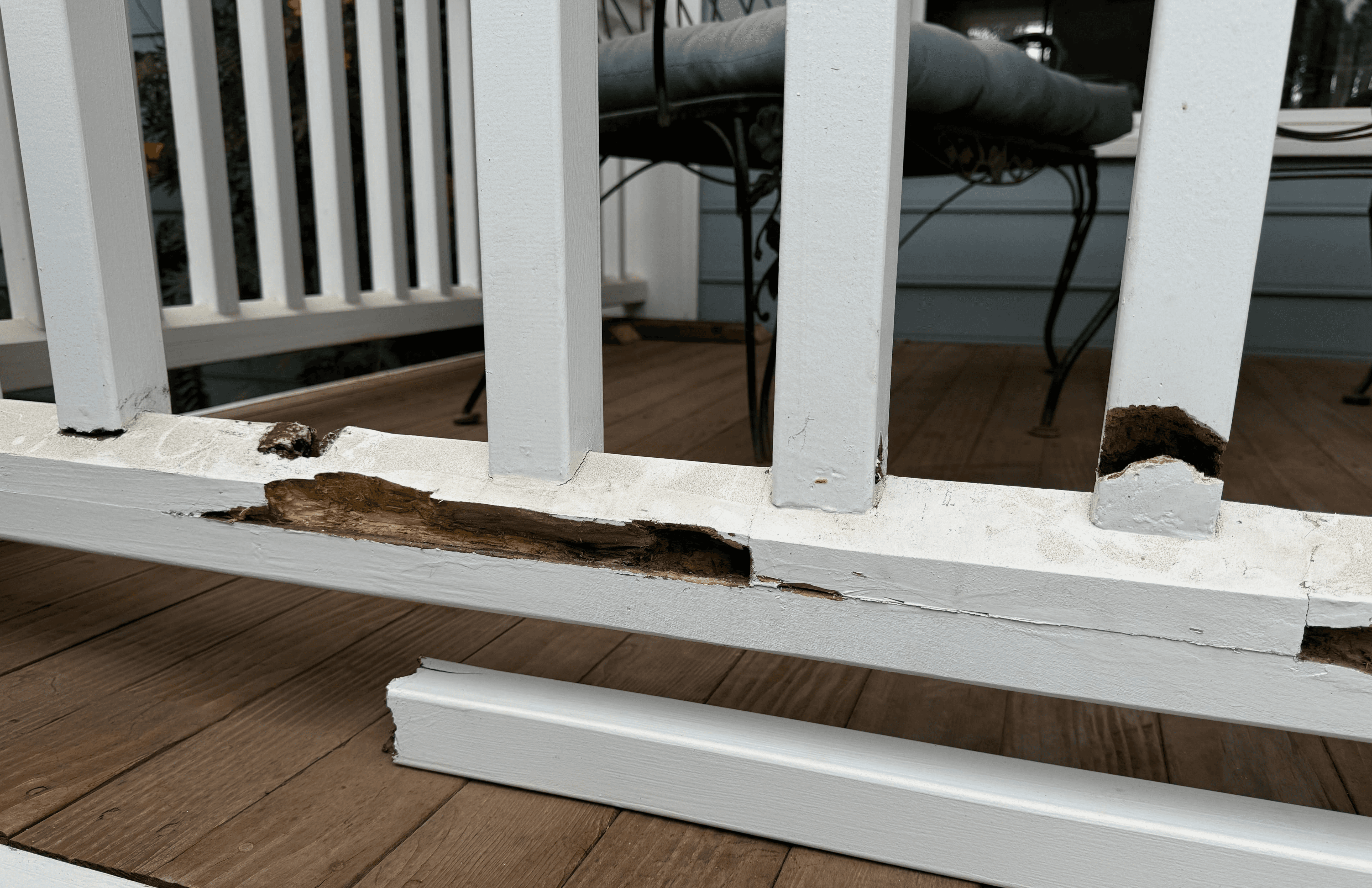
Deck posts and beams
Stair stringers and landings
Door and window sills
These areas rely heavily on sealants, paint, and flashing for protection. Once those systems degrade, moisture finds a path into the wood.
Why Older Homes Are Especially Vulnerable
Many Central Coast homes were built before modern moisture-management standards were common. Older construction often lacks proper flashing, ventilation, and detailing at critical transitions.
Over time, small design shortcomings—combined with coastal exposure—allow moisture to infiltrate areas that were never intended to stay wet. Dry rot develops slowly, often hidden behind paint or trim, until visible damage appears.
Why Dry Rot Often Goes Undetected
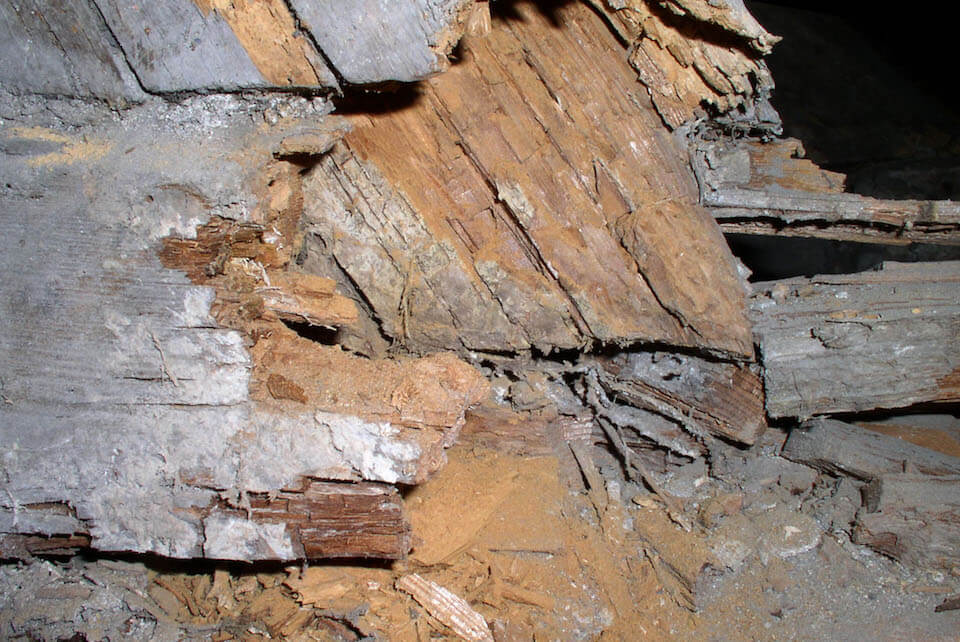
One of the reasons dry rot is so damaging is that it frequently spreads behind the surface. Paint may look intact while the wood underneath has already begun to soften.
Homeowners may assume peeling paint or cracked trim is purely cosmetic and delay inspection. Unfortunately, by the time wood feels soft or crumbly, decay may already be advanced.
What Homeowners Can Do to Reduce Risk
While coastal conditions can’t be changed, homeowners can reduce dry rot risk with proactive maintenance and inspection.
Helpful steps include:
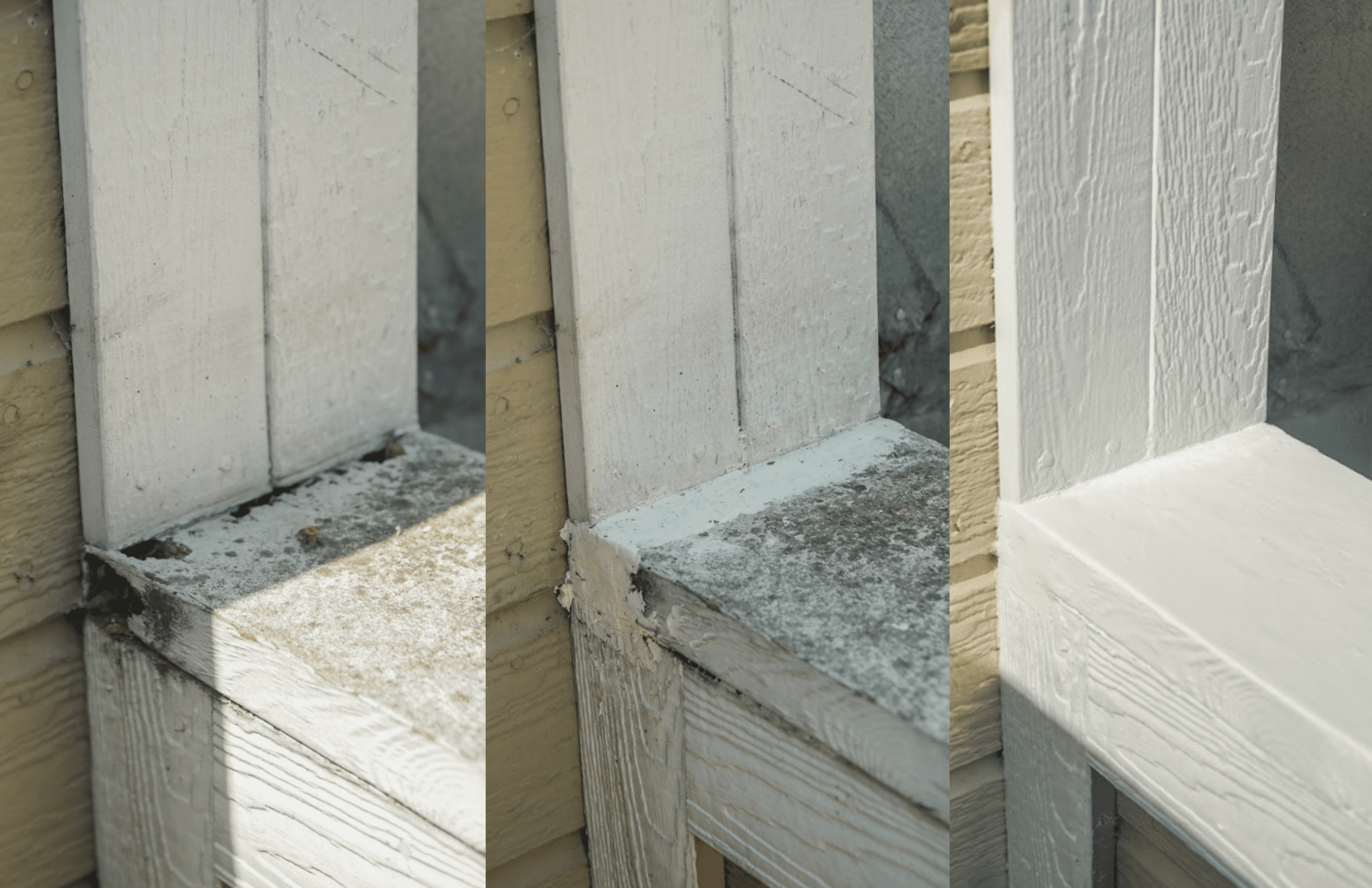
Maintaining paint and sealant systems
Keeping gutters clear and properly draining
Inspecting fascia, trim, and decks annually
Addressing moisture issues promptly
Scheduling professional inspections when deterioration is suspected
Early action often prevents small issues from becoming structural problems.
When to Schedule a Professional Inspection
If you notice peeling paint, soft wood, staining, or loose exterior components, a professional inspection can help determine whether dry rot is present and how far it has spread.
An inspection provides clarity and helps homeowners make informed decisions rather than guessing.
Final Thoughts
Dry rot is common on the Central Coast for a reason—but it doesn’t have to be inevitable. Understanding the environmental factors, recognizing early warning signs, and acting early can significantly reduce long-term damage and repair costs.
If you’re unsure whether your home is affected, a professional inspection is the best place to start.
Join the newsletter
Be the first to read our articles.
More Articles